
GlyNAC Powder – 30 g glycine + N-acetylcysteine • measuring scoop included • zinc contributes to the protection of cells from oxidative stress • food supplement
GlyNAC combines glycine and NAC. Glycine is an amino acid and N-acetylcysteine (NAC) a modified form of cysteine; the formula also contains zinc and vitamins B1 and D3. Zinc helps protect cells from oxidative stress and, alongside vitamin D, supports normal immune function. Vitamin B1 contributes to normal energy-yielding metabolism.
- In 2 scoops: 620 mg glycine, 380 mg NAC, 1.5 mg zinc, 0.165 mg vitamin B1 and 0.75 µg vitamin D3.
- In-house development and production: L Cell develops and manufactures its supplements in its own laboratory in Vilnius, Lithuania.
- Independent lab testing: L Cell commissions regular independent tests for declared ingredient levels, heavy metals and other contaminants.
- 2 scoops daily. Approximately 30 days per pack. Mix the powder into water or another cold drink. The flavour is lightly tart.


GlyNAC powder: glycine and NAC, together
Why are the health claims about the added nutrients? We do not have an authorised health claim for this glycine and NAC combination that we can use in this product description. The benefits stated here therefore refer to the added vitamins and minerals. Our FAQ explains how research differs from an authorised health claim.
Glycine and NAC in one powder. The ingredients are glycine, N-acetylcysteine (NAC), zinc and vitamins B1 and D. The three added nutrients have their own recognised functions.
Zinc contributes to the protection of cells from oxidative stress. Both zinc and vitamin D contribute to the normal function of the immune system. Vitamin B1 contributes to normal energy-yielding metabolism and the normal functioning of the nervous system.
Who might choose GlyNAC powder?
GlyNAC has a lightly tart taste. Stir the measured dose into water or a cold drink you enjoy. Find more preparation ideas in our GlyNAC taste FAQ.
- Those who want glycine and NAC together. The two ingredients come in a measured blend, so there is only one powder to prepare.
- Those looking to supplement zinc and vitamins. Zinc and vitamin D contribute to normal immune function; vitamin B1 contributes to normal energy-yielding metabolism. The ingredient table gives the amounts in the full recommended daily dose.
- Anyone who prefers mixing to swallowing capsules. Stir the powder into water or another cold drink.
- Vegetarians and vegans. The formula is suitable for a vegan diet and comes without a capsule shell.
A powder to mix your way. With no added preservatives or artificial colours, GlyNAC can be stirred into a cold drink or food. A measuring scoop is included. Find the directions under How to use and more detail in the FAQs.
Compare the glycine-to-NAC ratio as well as the total amount. Proportions can vary between supplements, including powders and capsules from the same brand.
Dietary suitability
Important information
- Do not exceed the recommended daily dose.
- Food supplements should not replace a varied diet. A varied, balanced diet and a healthy lifestyle are important for good health.
- Keep out of the reach of young children.
- If you take medication, are pregnant or breastfeeding, speak to your doctor or pharmacist before use. Show them the full ingredient list and details of any other supplements you take.
What makes the powder format different?
Ingredient amounts, format and production checks give you concrete points of comparison when choosing a GlyNAC supplement.
- A 62:38 glycine-to-NAC ratio. Two scoops provide 620 mg glycine and 380 mg NAC. The ratio describes their proportions by weight.
- With zinc and vitamins B1 and D. See the ingredient table for the amount of each nutrient in the recommended daily dose.
- Powder with a measuring scoop. Mix the daily dose into cold water or another cold drink.
- Approximately 30 days per pack. Based on the recommended dose of two scoops a day.
- Suitable for vegans. A powder formula with no capsule shell.
- Made by L Cell. The brand produces its supplements in its own laboratory in Vilnius, Lithuania.
- Independent laboratory testing. Checks cover declared ingredient content, heavy metals and other contaminants.
- No mixing required. If you prefer a ready-measured dose to preparing a drink, explore GlyNAC capsules. Compare individual ingredient quantities per recommended daily dose before choosing between the two formats.

What are glycine and N-acetylcysteine?
Glycine is an amino acid found in proteins. Your body can also make it, which is why it is classed as non-essential. Here, “non-essential” means the body can produce it itself; it does not mean glycine has no role in the body.
NAC stands for N-acetylcysteine, a modified form of the amino acid cysteine. Adding an acetyl group changes cysteine into a different molecule. So 380 mg NAC on this label means 380 mg N-acetylcysteine, rather than 380 mg cysteine.
GlyNAC is the name for glycine and NAC taken together. It is a mixture, rather than a single compound, and should not be described as two essential amino acids.
The daily dose of L Cell powder contains 620 mg glycine and 380 mg NAC: 1,000 mg combined. Most of that weight is glycine; the NAC content is 380 mg. Check the individual amounts when comparing supplements, as two blends with the same total weight may contain different amounts of NAC.
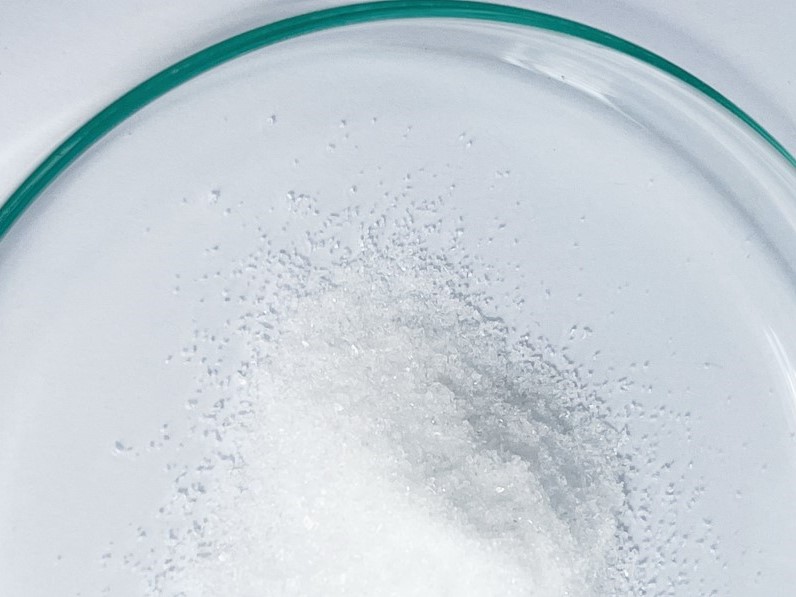
Why add zinc and vitamins B1 and D?
- Glycine and NAC make up the main part of the blend. Zinc and vitamins B1 and D add nutrients with their own recognised functions. Each deserves its own explanation.
- Zinc contributes to the protection of cells from oxidative stress and to normal cognitive function. Alongside vitamin D, it also contributes to the normal function of the immune system.
- Vitamin D: bones and muscles. It contributes to the maintenance of normal bones and normal muscle function. This formula uses vitamin D3. These functions belong to vitamin D and cannot automatically be attributed to the supplement’s main ingredient.
- Vitamin B1, also called thiamin, contributes to normal energy-yielding metabolism and the normal functioning of the nervous system. Vitamin D also contributes to the maintenance of normal muscle function.
- Two scoops provide 1.5 mg zinc, 0.165 mg vitamin B1 and 0.75 µg vitamin D. Each supplies 15% of its nutrient reference value (NRV).
- These benefits belong to the individual vitamins and zinc at the recommended daily dose. The table below sets out their amounts alongside the glycine and NAC content.
- Looking primarily for zinc? Browse our zinc supplements to compare sources, daily amounts and added ingredients. It is a useful way to choose between a zinc-focused formula and a blend that also includes glycine and NAC.

Biohacking: food, movement and daily habits
Biohacking uses science, technology and changes to everyday habits to explore how the body and mind function. It can include adjustments to diet, sleep and exercise, meditation, breathing exercises or tracking selected measurements. Supplements are only one part of that wider picture.
What does biohacking involve?
- Food: a varied diet, regular eating habits and an understanding of nutrient intake.
- Sleep and rest: keeping track of sleep duration, bedtimes and time to rest during the day.
- Movement: regular activity that suits your fitness and circumstances.
- Tracking: a diary, app or wearable device to record habits and how they change.
Keeping a record helps you see what has changed in your routine. Alter your diet, exercise and several supplements at once, and it becomes harder to identify what made a difference. Consistency and a clear record of what you take are useful starting points.
Where do supplements fit in?
Compare ingredients, quantities and directions, rather than relying on a product name alone. With L Cell supplements, look at the main ingredients, added vitamins and minerals, powder or capsule format, and laboratory documentation. A varied, balanced diet and a healthy lifestyle remain the foundation.
PraveBio also stocks brands with different specialisms. NoordCode offers functional foods and supplements, including MCT oils, collagen and electrolytes.
Jigsaw Health is an American family business founded in 2005 by Pat Sullivan and his son, Patrick Sullivan Jr. Magnesium and other mineral supplements feature prominently in its range.
BiOptimizers makes food supplements, including enzyme formulas such as the MassZymes digestive enzyme range. Each brand and product has its own composition, so compare the specific formula you are considering.
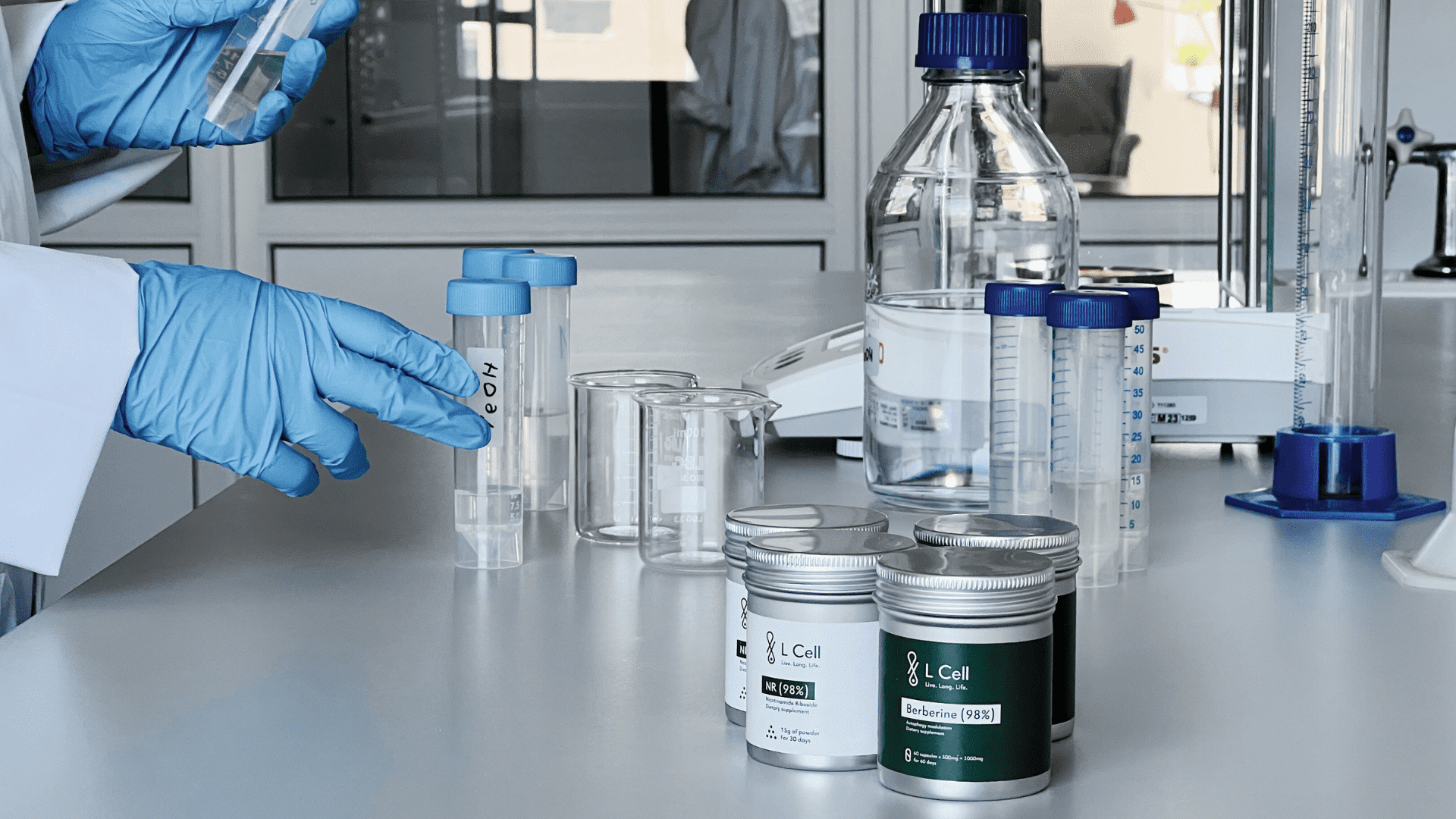
L Cell: its own laboratory and independent checks
L Cell develops and manufactures food supplements. The brand identifies its own laboratory in Vilnius, Lithuania, as the place where its formulas are made. That gives customers a traceable production location and a clearer picture of the company behind the range.
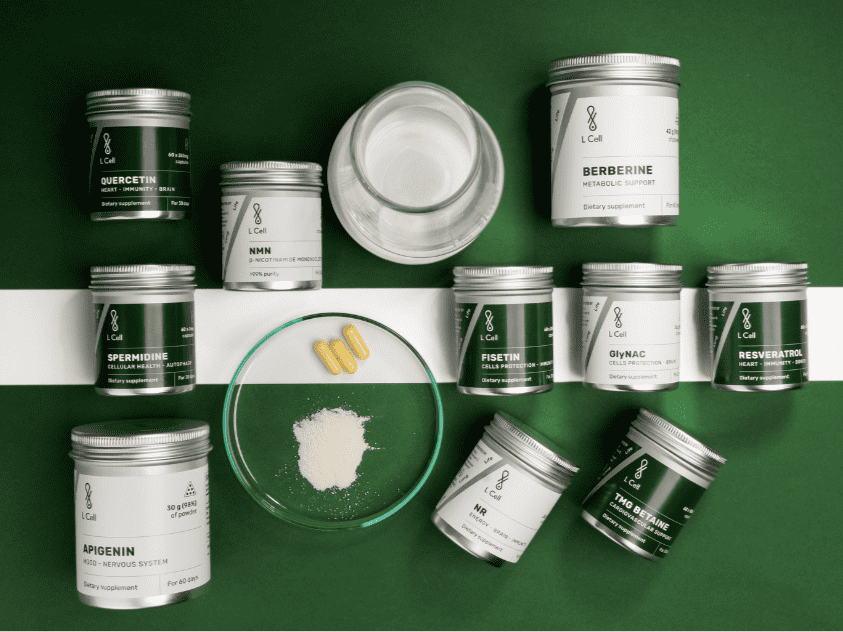
The range includes glycine with NAC, botanical extracts containing quercetin or resveratrol, and mineral supplements. Many products come as both powders and capsules. Choose the format that suits your routine, while checking the specific ingredients and daily dose for each pack.
Independent laboratories regularly check declared content and unwanted substances, including heavy metals and mycotoxins. Content testing measures the substances analysed; contaminant testing looks for unwanted impurities. Results apply to the sample and tests identified in the laboratory report.
The brand’s documentation also includes GMP and ISO 22000:2018 certificates issued to Longevita Lab and H Drop B.V. Their stated scope covers the development and sale of food supplements and snack foods. They document defined procedures and management systems; ingredient quantities require separate analytical testing.

In-house development and manufacture
L Cell identifies its own Vilnius laboratory as the site where it develops and makes supplements. You can trace the range beyond the brand name to a specific production location.
Powders or capsules
Many formulas are available in both formats. Choose between mixing into a drink and swallowing capsules, then check each ingredient amount against the recommended daily dose for that particular product.
Independent laboratory testing
Analysis covers declared ingredients and unwanted impurities. The report identifies what was measured and which sample was tested, giving you specific information about the material examined.
GMP and ISO 22000:2018
The published certificates cover the stated scope of development and sales. ISO 22000:2018 concerns food safety management systems; a laboratory analysis provides the separate evidence for ingredient quantities in a tested product.
Ingredients
Glycine, N-acetylcysteine, zinc, thiamin (vitamin B1), vitamin D.
Amounts per two-scoop dose
| Ingredient | Amount per 2 scoops | |
|---|---|---|
| Glycine | 620 mg | * |
| N-acetylcysteine | 380 mg | * |
| Zinc | 1.5 mg | 15 % |
| Thiamin (vitamin B1) | 0.165 mg | 15 % |
| Vitamin D | 0.75 µg | 15 % |
NRV = nutrient reference value. * NRV not established.
How to use
- Take 2 scoops each morning, before or after food.
- Mix with water or another cold drink.
- One pack lasts approximately 30 days.
Storage
Store in a cool, dark place, out of the reach of young children. See the pack for the best-before date.
GlyNAC questions, answered
Why do the health claims refer to the added nutrients?
Research findings and authorised health claims serve different purposes. Studies investigate substances under specific conditions. Health claims used to sell foods must meet EU requirements; the existence of a study alone is not enough.
We do not have an authorised claim for this glycine and NAC combination that we can use here. Instead, we explain the ingredients, their sources and how to take the product. The added vitamins and minerals have authorised functions that can be stated when the conditions of use are met. Those contributions belong to the named nutrients, rather than automatically applying to the main ingredient or the complete blend.

GlyNAC vs NAC: what is the difference?
NAC provides N-acetylcysteine; GlyNAC pairs it with glycine. Equal weights of NAC and a GlyNAC blend therefore have different compositions: part of the blend’s weight comes from glycine.
Two scoops of this powder provide 620 mg glycine and 380 mg NAC. Together that is 1,000 mg, but the NAC content is 380 mg. A supplement providing 1,000 mg NAC alone would supply 1,000 mg NAC, with no glycine unless it is separately listed. L Cell also adds zinc and vitamins B1 and D. Compare each ingredient in the recommended daily dose, rather than just the headline number on the pack.
Is GlyNAC the same as glutathione?
No. GlyNAC is a blend of glycine and N-acetylcysteine; glutathione is a different compound. A glutathione molecule contains three linked amino acids: glutamic acid, cysteine and glycine. “Tripeptide” simply describes those three amino acids joined together.
L Cell GlyNAC powder does not contain ready-made glutathione. It supplies glycine and NAC as separate ingredients in a mixture. Buying this powder therefore gives you different substances from buying a glutathione supplement. Even if two packs show the same number of milligrams, that does not make their contents equivalent or allow you to compare their effects on that number alone.
When should I take GlyNAC powder — with or without food?
Take two scoops each morning, before or after food. Mix with water or another cold drink. These directions apply to the 30 g L Cell GlyNAC powder; a measuring scoop is included.
Two scoops supply 620 mg glycine and 380 mg NAC: 1,000 mg combined, rather than 1,000 mg NAC alone. When comparing supplements, check each ingredient in the recommended daily dose. An equal blend weight does not necessarily provide an equal amount of NAC.
Are L Cell GlyNAC powder and capsules identical?
They contain the same two main ingredients, in different proportions and formats. Two scoops of powder provide 620 mg glycine and 380 mg NAC. Two L Cell capsules contain 500 mg glycine and 500 mg NAC. Both total 1,000 mg, but the amount of each ingredient differs.
Choose powder if you prefer mixing a supplement into a drink rather than swallowing capsules. Capsules need no measuring or mixing. Follow the directions on the specific pack when switching formats, even though both products share the GlyNAC name.
What does GlyNAC powder taste like, and what can I mix it with?
L Cell describes the powder as slightly sour. For a format without capsules, choose water or another cold drink you enjoy. Flavour varies between formulas; reviews of another brand do not necessarily describe this product.
Mix the two-scoop daily dose into an amount you will finish. L Cell advises against adding this powder to hot coffee or tea. Let a hot drink cool to room temperature first. Keep to the recommended dose rather than adjusting the amount or ingredient ratio to change the taste.
Why does L Cell GlyNAC also contain zinc and vitamins B1 and D?
Each of these three nutrients has a distinct role alongside glycine and NAC. Zinc contributes to the protection of cells from oxidative stress. Both zinc and vitamin D contribute to normal immune function. Vitamin B1 contributes to normal energy-yielding metabolism and the normal functioning of the nervous system; vitamin D also contributes to the maintenance of normal muscle function.
Two scoops supply 1.5 mg zinc, 0.165 mg vitamin B1 and 0.75 µg vitamin D. Each provides 15% NRV, the nutrient reference value for that particular nutrient. These benefits refer to the relevant vitamin or zinc, rather than to the GlyNAC blend as a whole.
How can an amino acid supplement be vegan?
“Amino acid” describes a type of molecule, not necessarily an animal source. Glycine occurs in proteins, but the ingredient used in supplements can also be produced without extracting it from animal tissues.
L Cell states that this formula uses laboratory-produced glycine and NAC and is suitable for vegans. As a powder, it has no capsule shell either. Seeing glycine on the ingredient list does not, by itself, mean a product contains gelatine or collagen.
What do the GlyNAC laboratory reports actually show?
Content analysis measures the substances tested; contaminant analysis checks for unwanted impurities. Under Files on this page you will find glycine and NAC reports covering heavy metals and mycotoxins, plus GMP and ISO 22000:2018 certificates. Mycotoxins are substances produced by certain moulds.
A raw-material report applies to the glycine or NAC sample tested, not automatically to the finished blend. Check the sample name, date, any batch reference and the list of substances measured. A management-system certificate describes a company’s procedures within its stated scope; it does not measure glycine or NAC in a pack. These documents help you assess ingredient and production checks. They are not clinical evidence of the product’s effects.
What if I take medication or other supplements?
Speak to your doctor or pharmacist before adding GlyNAC, and show them the full ingredient list. Include every medicine and supplement you take. The GlyNAC name alone does not give them enough information to assess your routine.
This formula contains zinc and vitamins B1 and D as well as glycine and NAC. If other supplements provide the same nutrients, their combined intake needs to be considered. Do not change prescribed medication yourself or exceed the recommended daily dose. Seek advice before use during pregnancy or breastfeeding too.
Additional parameters
| Category: | Supplements |
|---|---|
| EAN: | 4779060270185 |
| Product type: | Food supplement |
| Format: | Powder |
| Contents: | 30 g |
| Recommended daily dose: | 2 scoops |
| Number of daily doses: | 30 |
| Main ingredients per 2 scoops: | Glycine: 620 mg; N-acetylcysteine: 380 mg |
| Zinc per 2 scoops: | 1.5 mg |
| Thiamin (vitamin B1) per 2 scoops: | 0.165 mg |
| Vitamin D per 2 scoops: | 0.75 µg |
| Suitable for: | Vegetarian-Vegan-Gluten free-Soy free-Nut free-Sugar free-Lactose free-GMO free |
| Manufacturer: | L Cell Ltd. |
| Country of origin: | EU |
| Storage: | Store in a cool, dark place, out of the reach of young children . |
| Exclusive distributor for the Czech Republic: | Pravé Bio |
| The item has been sold out… | |

Product rating
Be the first who will post an article to this item!
Discussion
Be the first who will post an article to this item!
L Cell is a Lithuanian food supplement brand with its own laboratory in Vilnius. Its range includes botanical extracts, amino acids and mineral supplements, with many products available as both powders and capsules.
Pravé Bio is the exclusive L Cell distributor for the Czech Republic. Our product pages set out the ingredients, quantities per daily dose, directions and available laboratory documents, so you can compare the details of each pack. Read about the maker and its documentation here, or explore the L Cell supplement range to choose a product.
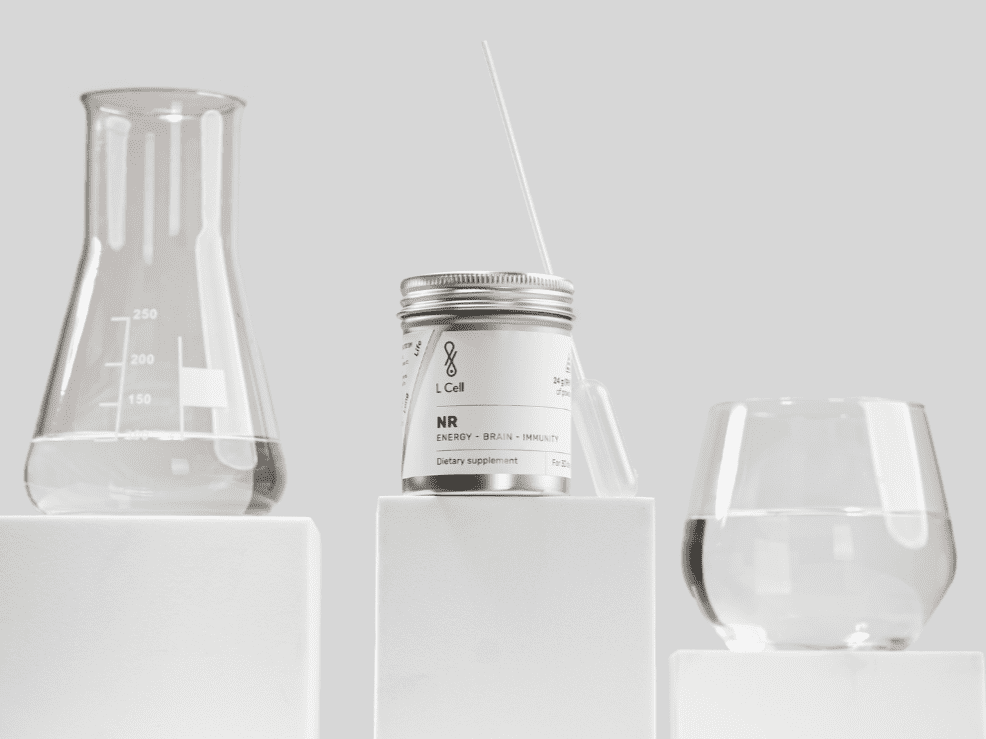
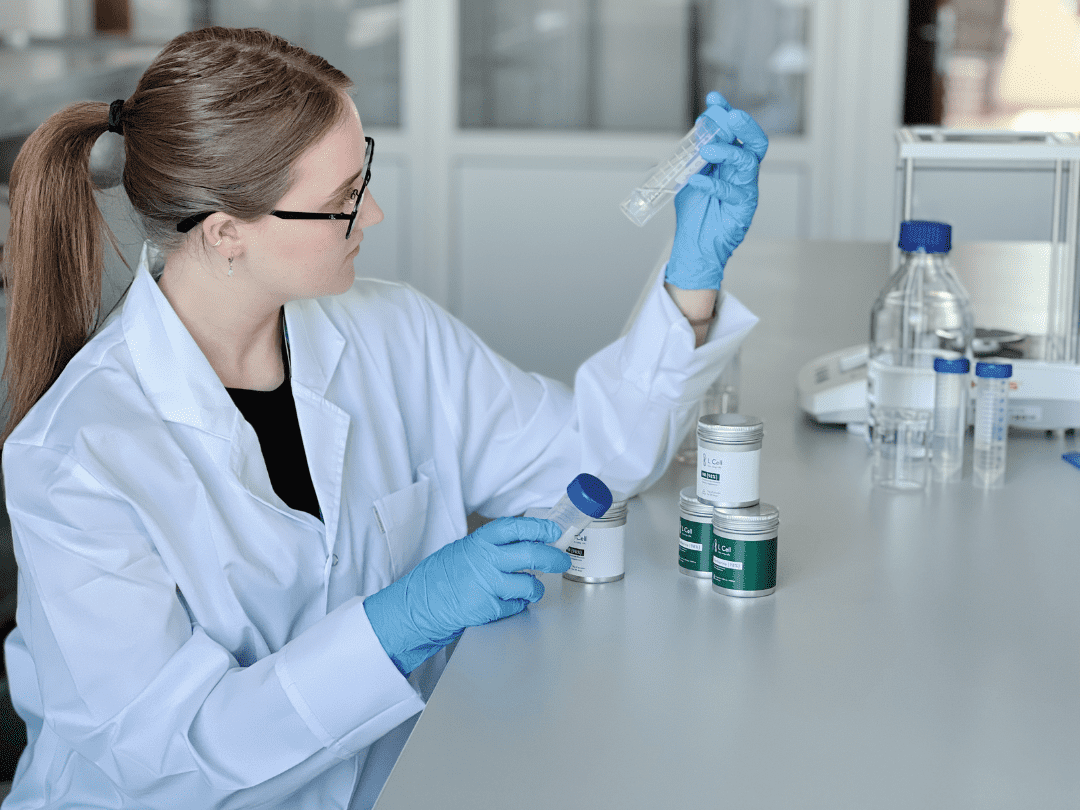
Inside L Cell’s Vilnius lab
- Developed in-house. L Cell develops and manufactures its supplements in its own laboratory in Vilnius, Lithuania.
- Independently tested. The brand regularly commissions checks on declared ingredient content and unwanted substances. Available reports sit alongside the relevant products.
- The full ingredient picture. Our product tables distinguish the main compound from its botanical extract, with added zinc and vitamins listed separately.
- Powder or capsules. Many products come in both formats. Each has its own ingredient quantities, directions and pack size, so you can compare the details before choosing.

Food supplements
Botanical extracts
Amino acids
Minerals
Where L Cell supplements are made
Product development and manufacturing in Vilnius are part of L Cell’s own operation. The brand publishes its laboratory address and information about product testing; each supplement still needs to be considered individually.
The range includes GlyNAC with glycine and NAC, botanical extracts such as apigenin and resveratrol, and magnesium supplements. These are different ingredients, with distinct compositions and directions.
Research into an ingredient does not establish the effects of every supplement containing it. Our descriptions distinguish ingredient information from health claims applicable to a particular nutrient and dose.
Pravé Bio and L Cell
Pravé Bio, NUZBOZ s.r.o., is L Cell’s exclusive distributor for the Czech Republic. Our shop carries individual L Cell product ranges and their available formats.
We check ingredient identity, quantities and the full ingredient list. For botanical extracts, we distinguish the weight of the extract from the amount of the specified compound within it.
Powders and capsules from the same range may differ. For example, GlyNAC powder and the capsule version have different glycine-to-NAC ratios; the individual product tables show those differences.
Match your question to the exact product. When comparing options, use the product name, format and pack size. For a laboratory report, also check the sample or batch identification.
Laboratory testing and certificates
Ingredient testing and contaminant testing answer different questions. One measures the amount of an analysed ingredient; the other checks for unwanted substances such as heavy metals. The brand’s documentation includes GMP and ISO 22000:2018 certificates issued to Longevita Lab and H Drop B.V. Their stated scope covers the development and sale of food supplements and food snacks.
A management-system certificate does not replace a product analysis. A laboratory result applies to the identified sample, measured substances and method. It does not establish rejuvenation or another health outcome.
Compare like with like: the main ingredient, its amount per daily dose, the other ingredients and the number of doses in the pack.
How to choose from the L Cell range

Main ingredient and what you want to learn about it
Daily-dose quantities, including added nutrients
Format: powder or capsules
Restrictions: allergens, warnings and existing treatment
What our product pages explain

Ingredients and quantities
Directions and storage
Differences between formats
FAQs and available documentation
Product-specific warnings
| Manufacturing company : | L Cell Ltd. |
|---|---|
| Address : | Mokslininkų g. 2 Vilnius LT-08412 Lithuania |
| E-mail : | info@lcell.co.uk |


