
Creatine Monohydrate Powder – 300 g 500 mesh powder • 1.5 mg zinc per dose • 60 daily doses • no added flavourings • food supplement
The extra-finely milled powder contains creatine monohydrate and zinc. Creatine increases physical performance in successive bursts of short-term, high intensity exercise. Zinc contributes to normal protein synthesis.
- Per daily dose: 5 g creatine monohydrate and 1.5 mg zinc.
- In-house development and production: L Cell develops and manufactures its supplements in its own laboratory in Vilnius, Lithuania.
- Independent lab testing: L Cell commissions regular independent tests for declared ingredient levels, heavy metals and other contaminants.
- 5 g daily. Approximately 60 days per pack. Mix the powder into water or another cold drink.
For adults performing high intensity exercise. The beneficial effect is obtained with a daily intake of 3 g of creatine.


Creatine monohydrate powder with zinc
Which creatine benefits can we describe here? Creatine has an authorised health claim for a specific type of physical performance. Research in other areas does not automatically permit additional health claims. Our FAQs explain the difference between research and an authorised claim.
Creatine increases physical performance in successive bursts of short-term, high intensity exercise. The claim applies to adults performing high intensity exercise. The beneficial effect is obtained with a daily intake of 3 g of creatine.
What is creatine?
Creatine is a compound the body makes from amino acids. Most of its stores are in muscle; meat and fish also supply some through food.
Some muscle creatine is held as phosphocreatine. This can donate a phosphate group to help regenerate ATP, a molecule muscles use when they contract. It explains why the authorised performance claim concerns repeated short, intense efforts.
What type of training is creatine intended for?
- Repeated short, intense sets. For example, resistance exercise with demanding working sets and rest between them.
- Sprints and high intensity intervals. What matters is the type of effort: short bouts repeated in succession. Calling a session HIIT alone does not establish its actual intensity.
Suitable for
Important information
- Do not exceed the recommended daily dose.
- Food supplements should not replace a varied diet. A varied, balanced diet and a healthy lifestyle are important for good health.
- Keep out of the reach of young children.
- If you take medication, are pregnant or breastfeeding, speak to your doctor or pharmacist before use. Show them the full ingredient list and details of any other supplements you take.
- For adults. Not intended for children or pregnant or breastfeeding women.
- Consult your doctor before use if you have kidney disease.
What does one daily dose contain?
- 5 g creatine monohydrate a day. The label expresses this amount as two teaspoons.
- Approximately 4.4 g creatine. This is calculated from pure monohydrate; water bound in the crystal structure accounts for part of its mass.
- 1.5 mg zinc: 15% of the nutrient reference value (NRV).
- A 300 g pack: around 60 daily doses.
- 500 mesh powder, with no added flavourings. Mix with a cold drink.
Why does the health claim refer to 3 g creatine?
3 g is the condition for the authorised health claim. The 5 g on this label is the daily amount of creatine monohydrate. When comparing supplements, check whether the number describes monohydrate or creatine itself.

Biohacking: food, movement and daily habits
Biohacking uses science, technology and changes to everyday habits to explore how the body and mind function. It can include adjustments to diet, sleep and exercise, meditation, breathing exercises or tracking selected measurements. Supplements are only one part of that wider picture.
What does biohacking involve?
- Food: a varied diet, regular eating habits and an understanding of nutrient intake.
- Sleep and rest: keeping track of sleep duration, bedtimes and time to rest during the day.
- Movement: regular activity that suits your fitness and circumstances.
- Tracking: a diary, app or wearable device to record habits and how they change.
Keeping a record helps you see what has changed in your routine. Alter your diet, exercise and several supplements at once, and it becomes harder to identify what made a difference. Consistency and a clear record of what you take are useful starting points.
Where do supplements fit in?
Compare ingredients, quantities and directions, rather than relying on a product name alone. With L Cell supplements, look at the main ingredients, added vitamins and minerals, powder or capsule format, and laboratory documentation. A varied, balanced diet and a healthy lifestyle remain the foundation.
PraveBio also stocks brands with different specialisms. NoordCode offers functional foods and supplements, including MCT oils, collagen and electrolytes.
Jigsaw Health is an American family business founded in 2005 by Pat Sullivan and his son, Patrick Sullivan Jr. Magnesium and other mineral supplements feature prominently in its range.
BiOptimizers makes food supplements, including enzyme formulas such as the MassZymes digestive enzyme range. Each brand and product has its own composition, so compare the specific formula you are considering.
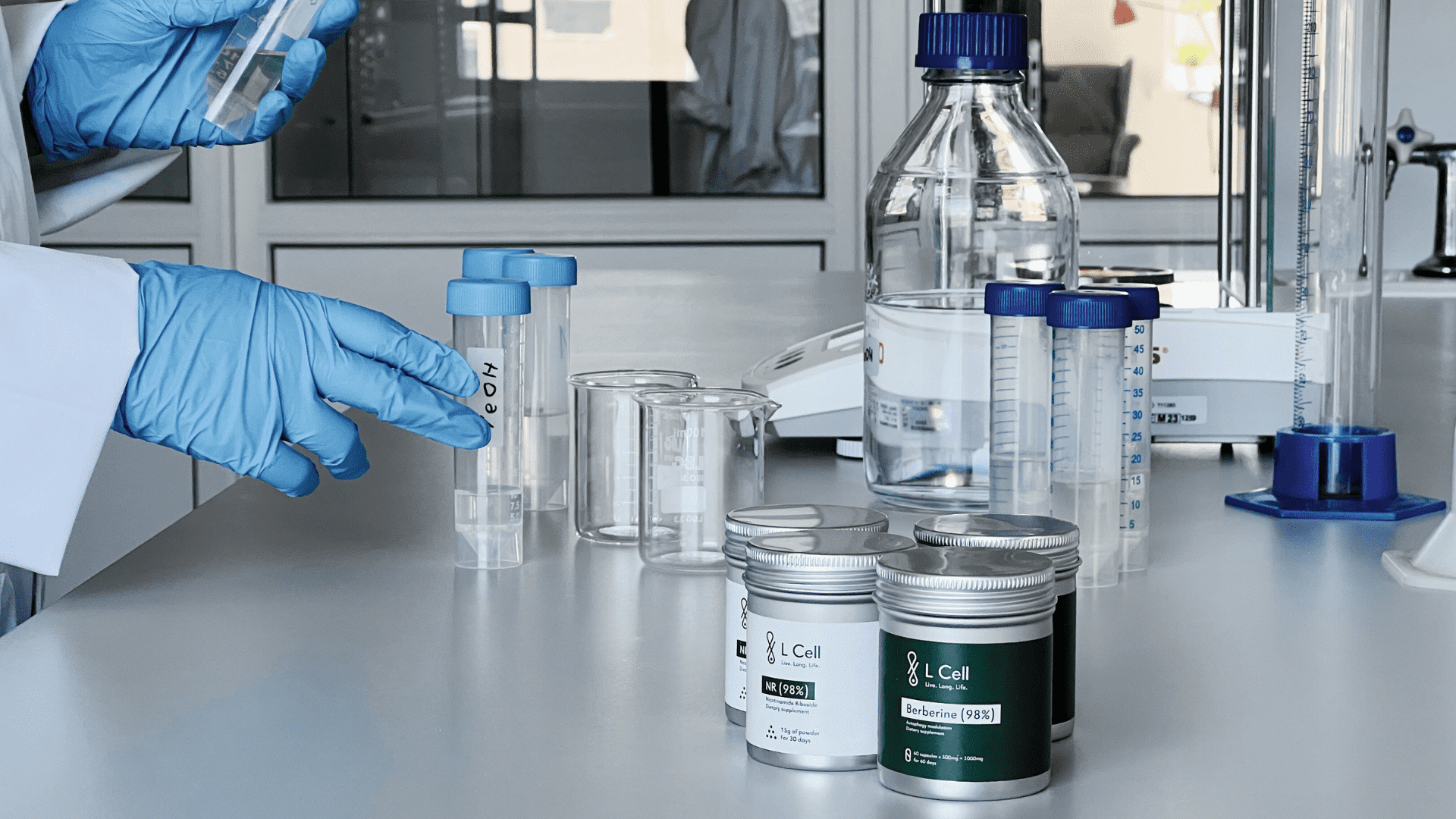
L Cell: its own laboratory and independent checks
L Cell develops and manufactures food supplements. The brand identifies its own laboratory in Vilnius, Lithuania, as the place where its formulas are made. That gives customers a traceable production location and a clearer picture of the company behind the range.
The range includes glycine with NAC, botanical extracts containing quercetin or resveratrol, and mineral supplements. Many products come as both powders and capsules. Choose the format that suits your routine, while checking the specific ingredients and daily dose for each pack.
Independent laboratories regularly check declared content and unwanted substances, including heavy metals and mycotoxins. Content testing measures the substances analysed; contaminant testing looks for unwanted impurities. Results apply to the sample and tests identified in the laboratory report.
The brand’s documentation also includes GMP and ISO 22000:2018 certificates issued to Longevita Lab and H Drop B.V. Their stated scope covers the development and sale of food supplements and snack foods. They document defined procedures and management systems; ingredient quantities require separate analytical testing.

In-house development and manufacture
L Cell identifies its own Vilnius laboratory as the site where it develops and makes supplements. You can trace the range beyond the brand name to a specific production location.
Powders or capsules
Many formulas are available in both formats. Choose between mixing into a drink and swallowing capsules, then check each ingredient amount against the recommended daily dose for that particular product.
Independent laboratory testing
Analysis covers declared ingredients and unwanted impurities. The report identifies what was measured and which sample was tested, giving you specific information about the material examined.
GMP and ISO 22000:2018
The published certificates cover the stated scope of development and sales. ISO 22000:2018 concerns food safety management systems; a laboratory analysis provides the separate evidence for ingredient quantities in a tested product.
Ingredients
Full ingredients
Creatine monohydrate, zinc gluconate.
Ingredient amounts
| Ingredient | Amount per daily dose | % NRV* |
|---|---|---|
| Creatine monohydrate | 5 g | – |
| Zinc | 1.5 mg | 15% |
* NRV = nutrient reference value for adults. No NRV is established for creatine monohydrate. The label states a daily dose of 5 g powder.
How to use
- Daily dose: 5 g powder. The label describes this amount as two teaspoons. Weighing is suitable for measuring the quantity precisely.
- Preparation: mix with water, juice or another cold drink and consume the full amount prepared.
- Timing on the label: in the morning or before exercise. Keep to the total daily amount rather than adding another dose because you are training.
What is creatine monohydrate, and why is zinc included?
Creatine monohydrate
Monohydrate is the most widely researched form of creatine. Its name indicates one water molecule in the crystal structure for each creatine molecule.
500 mesh describes the fineness of the powder. Ingredient content and chemical purity are different properties from milling fineness. Our answer about 500 mesh explains the distinction.
Zinc
Zinc contributes to normal protein synthesis: the production of proteins in the body. It also contributes to the protection of cells from oxidative stress and normal immune system function.
The mineral has its own functions. We do not attribute them to creatine itself or infer an enhanced combined effect from its inclusion. Zinc is present as zinc gluconate.
Scientific sources: NIH – creatine in sports nutrition and PubChem – the chemical composition of monohydrate.
The NRV percentage helps compare zinc quantities across supplements. It is neither an absorption percentage nor an individual requirement. If you use other supplements containing zinc, include them when reviewing your total intake.
Storage
- Keep in a dry, cool, dark place at +5 to +25°C, out of the reach of young children. Close the pouch carefully after use and use a dry spoon. The best-before date and batch number are printed on your pack.
Creatine, protein and collagen
- Creatine is not a protein powder. If you are also looking for a protein product, explore our protein category. Compare the protein source and allergen information for each formula.
- Collagen is a different ingredient. Compare NoordCode Complete Collagen by its own ingredient list. It does not replace an equal quantity of creatine.
Creatine frequently asked questions
Which creatine benefits are authorised, and what do studies establish?
This description uses the authorised claim that creatine increases physical performance in successive bursts of short-term, high intensity exercise. It is intended for adults performing that exercise, with the beneficial effect obtained from 3 g creatine daily. A separate claim for adults over 55 has resistance-training conditions explained below. Studies may examine other populations, laboratory markers or dosing protocols. Publication alone does not authorise every investigated effect as a claim for this supplement. Zinc has its own authorised functions. The EU list of authorised claims sets out the wording and conditions.

What is creatine for, and how is it different from protein?
Creatine and protein serve different roles. A protein supplement supplies dietary protein, which contributes to your total protein intake. This product supplies creatine monohydrate and zinc; it does not replace a protein shake.
When comparing protein products, look at the grams of protein in the nutrition table rather than the total weight of a scoop. For creatine, look at the specified chemical form and amount. The introduction explains phosphocreatine and ATP.
How much should I take daily, and why are both 5 g and 3 g mentioned?
This product’s directions specify 5 g creatine monohydrate daily. That is 5,000 mg, not 5 mg. The 3 g daily creatine intake is a condition of the authorised health claim, rather than a replacement instruction for this pack. Monohydrate contains one water molecule per creatine molecule within its crystal structure. The pure compound is approximately 88% creatine by weight, so 5 g monohydrate corresponds to about 4.4 g creatine. This is a chemical calculation, not an absorption percentage. Follow the gram amount on the pack; a teaspoon measurement is less precise than weighing.
When should I take creatine: before training, afterwards or on rest days?
This pack directs daily use in the morning or before exercise. The daily instruction includes days without training, when the morning option can be used. Creatine is not an immediate stimulant: its role relates to creatine and phosphocreatine stores in muscle. An exact number of minutes before exercise is not specified, and an extra post-workout dose is not automatically required. Do not add it on top of the recommended 5 g. Different timing in a research protocol does not replace this product’s directions.
Do I need a loading phase, and how soon will I notice a difference?
A loading phase is not part of this product’s directions. Research uses different protocols: some increase muscle creatine stores more rapidly with a higher initial intake, while others study regular lower intakes without loading. This explains conflicting online instructions; it is not a reason to increase the dose of this product. No particular change after a fixed number of days or weeks can be promised. Training type and consistency, starting stores and diet also matter. Keep to 5 g daily for this product; the authorised claim’s conditions are stated separately.
What does 500 mesh mean, and is finer creatine more effective?
500 mesh describes particle fineness, rather than dose or purity. In conventional sieving, mesh relates to the density of the screen. An exact particle size in micrometres would need the specification for the actual material. A finer powder may disperse differently in liquid, but 500 mesh does not establish better absorption, greater effectiveness or the absence of sediment in every drink. When comparing products, also check the chemical form, monohydrate amount per dose, added zinc and full ingredient list.
Do I need grape juice, and can I add creatine to a protein shake?
Grape juice is one option on the pack, rather than a requirement. The directions also allow another liquid. Water or a suitable cold drink can be used. For a protein shake, check its own ingredients, allergens and whether it already contains creatine. Finish the prepared dose and rinse any residue from the glass with a little water. Mixing with protein or sugar does not in itself justify a stronger-effect claim. For this product, our preparation advice remains a cold liquid; we do not turn findings from experimental mixtures into a guaranteed home method.
Can creatine increase body weight, and does that mean more body fat?
Weight can increase because of changes in muscle water content. Creatine research and the NIH overview describe water retention as a possible reason for weight gain. A scale reading alone cannot distinguish water, muscle tissue and fat. Nor can a change over a few days establish how much new muscle has been gained: training, energy intake and other circumstances also influence body composition. We do not promise a fixed weight change or weight loss. Unexplained swelling or rapid changes in weight should not automatically be dismissed as an ordinary supplement effect; discuss the cause with a doctor.
Is creatine also for women, or only for male bodybuilders?
The authorised claim is not restricted to men or bodybuilding. What matters is adulthood, repeated short high-intensity exercise and the intake condition, rather than sex. Resistance training or repeated sprints are examples; this does not establish an identical outcome for every person or sport. This product is not intended for pregnant or breastfeeding women. Research in older women does not automatically support claims about hormonal balance, weight loss or treating menopause-related symptoms.
Can creatine affect the kidneys or a blood creatinine result?
Creatine and creatinine are different: creatinine forms during creatine metabolism and is used when assessing kidney function. In a small randomised trial in healthy young men, changes in creatinine during supplementation were not accompanied by injury according to the other kidney markers studied. A short trial cannot guarantee safety in kidney disease or with every medication combination. Tell your doctor about the supplement and dose before blood tests; do not interpret the result yourself or change prescribed treatment because of it. Kidney disease and medication use require individual assessment. Kidney-marker trial, 2020.
Do I need to combine creatine with omega-3, NAD+, NR or NMN?
No. None is a condition of the authorised creatine claim. Omega-3s are fatty acids; NAD+ is a coenzyme, while NR and NMN are different compounds associated with its metabolism. They are neither alternative names for creatine nor interchangeable doses. Different biochemical roles do not automatically establish that combined use is more effective or suitable for an individual. Check overlapping zinc, vitamins and other ingredients across products. NR and NMN also require separate assessment of the precise ingredient and its conditions of use; this FAQ is not a recommendation to take that combination.
What are the conditions for the resistance-training claim in adults over 55?
Daily creatine consumption can enhance the effect of resistance training on muscle strength in adults over 55. The authorised claim concerns that age group taking 3 g creatine daily alongside training that allows a progressive increase in workload: at least three times weekly for several weeks, at an intensity of at least 65–75% of one-repetition maximum. That maximum is the highest load that can be lifted for one repetition. This is not a promise of an effect without training. Technique and workload need to suit health and experience; claim conditions do not replace individual training guidance.
How can creatine be vegan when it occurs naturally in muscle?
Where a compound occurs naturally and where a supplement ingredient comes from are separate questions. Creatine occurs in the body and in some animal foods. A supplement ingredient can instead be synthesised; this L Cell formula is labelled vegan and is not a muscle extract. Its ingredients are creatine monohydrate and zinc gluconate. The vegan label does not establish an absorption rate, nor does it mean everyone following a vegan diet needs the supplement.
What exactly do the attached laboratory reports confirm?
One examines heavy metals, and the other microbiological parameters. The file labelled “mycotoxins” actually contains microbiological tests, including microorganism counts and testing for Salmonella. Both identify a creatine sample from batch 20241202. The tests cover that sample and the listed parameters: they do not automatically confirm creatine purity, zinc content or the identity of every pack currently sold. Compare the batch, date, sample name and method, rather than relying on a laboratory logo.
Additional parameters
| Category: | Sport & Recovery |
|---|---|
| EAN: | 4779060270406 |
| Product type: | Food supplement |
| Format: | Powder |
| Contents: | 300 g |
| Recommended daily dose: | 5 g |
| Number of daily doses: | 60 |
| Main ingredients per 5 g: | Creatine monohydrate: 5 g |
| Zinc per 5 g: | 1.5 mg |
| Powder fineness: | 500 mesh |
| Suitable for: | vegan-gmo free-gluten free-keto-paleo-low carb-sugar free-soy free-nut free |
| Distributor: | H Drop B.V., Trasmolenlaan 12, Woerden, the Netherlands |
| Country of origin: | EU |
| Manufacturer: | L Cell Ltd. |
| Storage: | Keep in a dry, cool, dark place at +5 to +25°C, out of the reach of young children. |
| Exclusive distributor for the Czech Republic: | Pravé Bio |
| The item has been sold out… | |

Product rating
Be the first who will post an article to this item!
Discussion
Be the first who will post an article to this item!

L Cell is a Lithuanian food supplement brand with its own laboratory in Vilnius. Its range includes botanical extracts, amino acids and mineral supplements, with many products available as both powders and capsules.
Pravé Bio is the exclusive L Cell distributor for the Czech Republic. Our product pages set out the ingredients, quantities per daily dose, directions and available laboratory documents, so you can compare the details of each pack. Read about the maker and its documentation here, or explore the L Cell supplement range to choose a product.
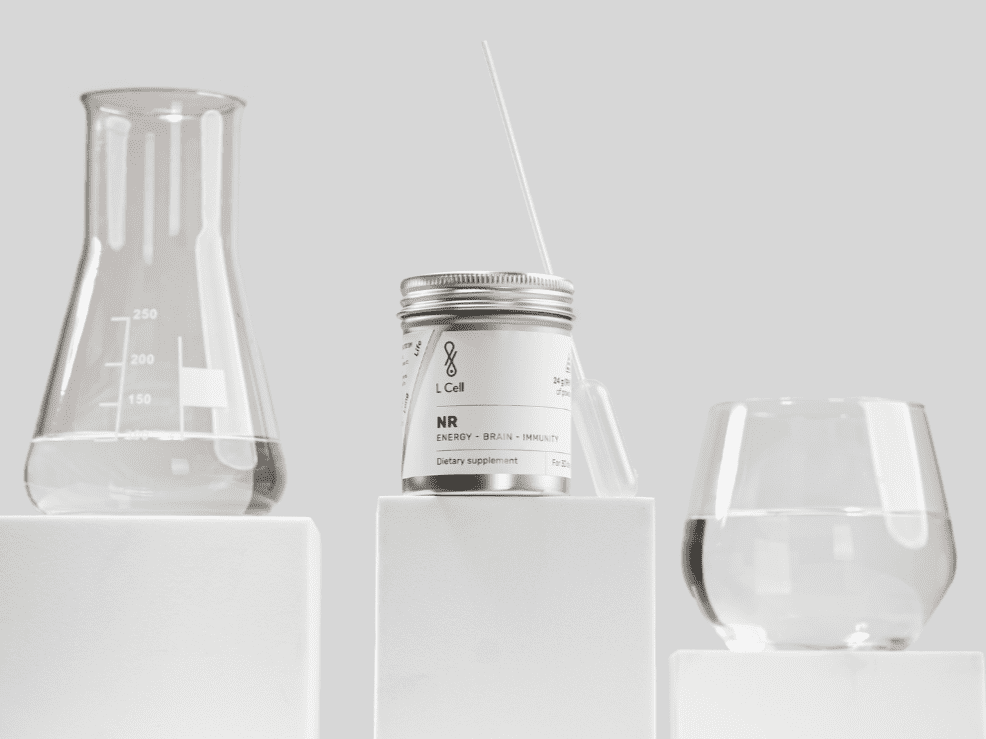
Inside L Cell’s Vilnius lab
- Developed in-house. L Cell develops and manufactures its supplements in its own laboratory in Vilnius, Lithuania.
- Independently tested. The brand regularly commissions checks on declared ingredient content and unwanted substances. Available reports sit alongside the relevant products.
- The full ingredient picture. Our product tables distinguish the main compound from its botanical extract, with added zinc and vitamins listed separately.
- Powder or capsules. Many products come in both formats. Each has its own ingredient quantities, directions and pack size, so you can compare the details before choosing.

Food supplements
Botanical extracts
Amino acids
Minerals
Where L Cell supplements are made
Product development and manufacturing in Vilnius are part of L Cell’s own operation. The brand publishes its laboratory address and information about product testing; each supplement still needs to be considered individually.
The range includes GlyNAC with glycine and NAC, botanical extracts such as apigenin and resveratrol, and magnesium supplements. These are different ingredients, with distinct compositions and directions.
Research into an ingredient does not establish the effects of every supplement containing it. Our descriptions distinguish ingredient information from health claims applicable to a particular nutrient and dose.
Pravé Bio and L Cell
Pravé Bio, NUZBOZ s.r.o., is L Cell’s exclusive distributor for the Czech Republic. Our shop carries individual L Cell product ranges and their available formats.
We check ingredient identity, quantities and the full ingredient list. For botanical extracts, we distinguish the weight of the extract from the amount of the specified compound within it.
Powders and capsules from the same range may differ. For example, GlyNAC powder and the capsule version have different glycine-to-NAC ratios; the individual product tables show those differences.
Match your question to the exact product. When comparing options, use the product name, format and pack size. For a laboratory report, also check the sample or batch identification.
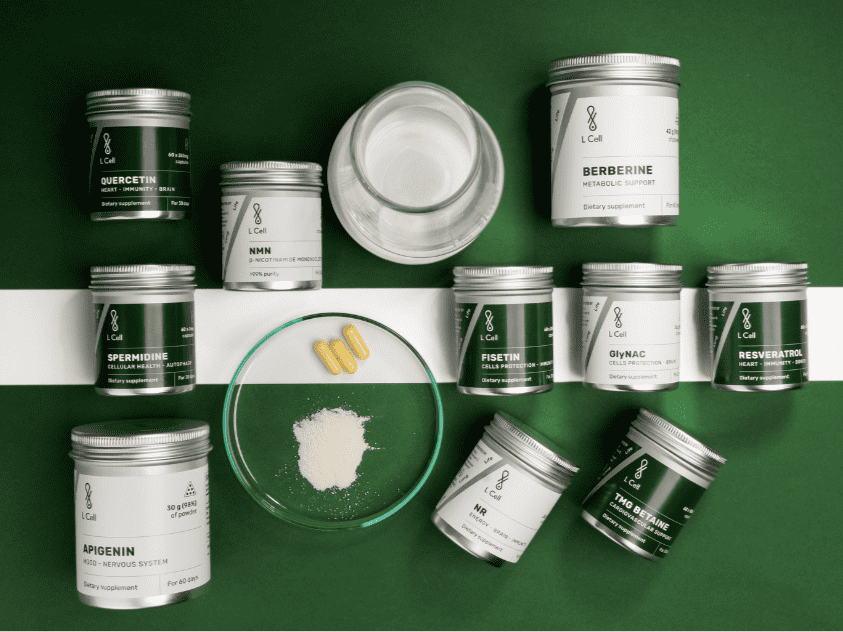
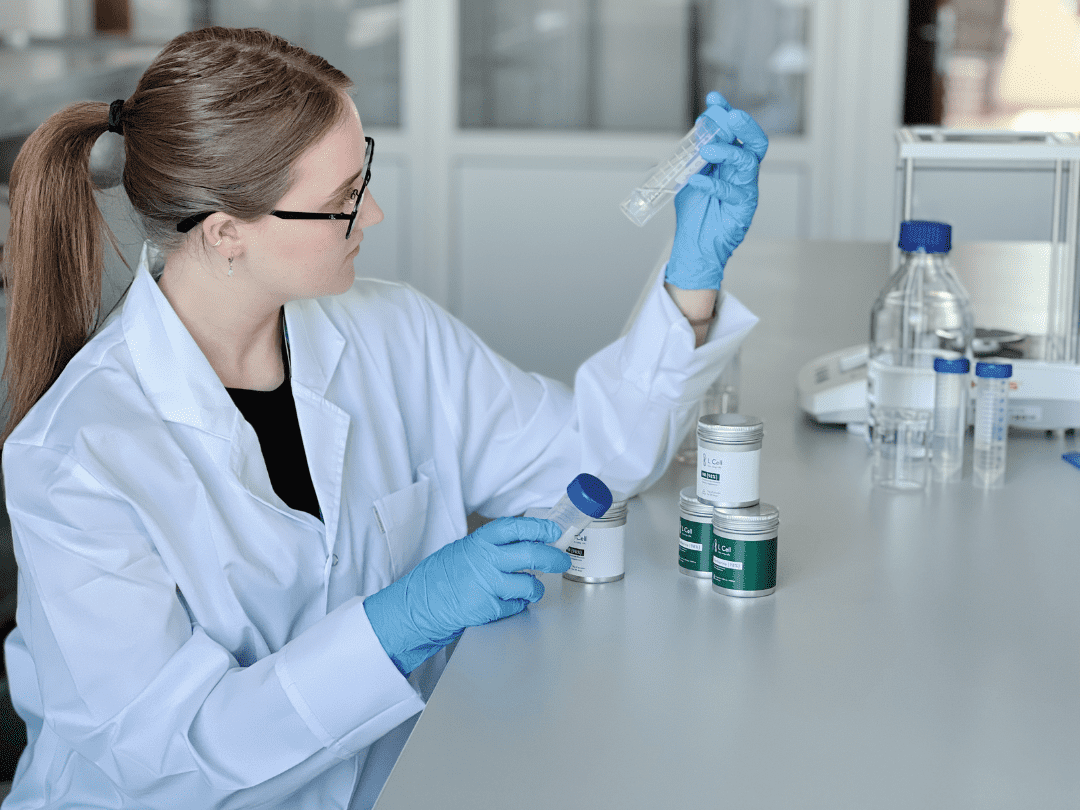
Laboratory testing and certificates
Ingredient testing and contaminant testing answer different questions. One measures the amount of an analysed ingredient; the other checks for unwanted substances such as heavy metals. The brand’s documentation includes GMP and ISO 22000:2018 certificates issued to Longevita Lab and H Drop B.V. Their stated scope covers the development and sale of food supplements and food snacks.
A management-system certificate does not replace a product analysis. A laboratory result applies to the identified sample, measured substances and method. It does not establish rejuvenation or another health outcome.
Compare like with like: the main ingredient, its amount per daily dose, the other ingredients and the number of doses in the pack.
How to choose from the L Cell range

Main ingredient and what you want to learn about it
Daily-dose quantities, including added nutrients
Format: powder or capsules
Restrictions: allergens, warnings and existing treatment
What our product pages explain

Ingredients and quantities
Directions and storage
Differences between formats
FAQs and available documentation
Product-specific warnings
| Manufacturing company : | L Cell Ltd. |
|---|---|
| Address : | Mokslininkų g. 2 Vilnius LT-08412 Lithuania |
| E-mail : | info@lcell.co.uk |


