
Christmas Cooking
Preparing your Christmas Eve menu? Here you’ll find spices for fish and salads, stocks/gelatin for rich-tasting soups, quality fats (such as ghee and extra virgin olive oil), and practical condiments for the final touch. Everything is clearly organised in one place to keep cooking calm and stress-free.
Product sorting
Brands
List of products
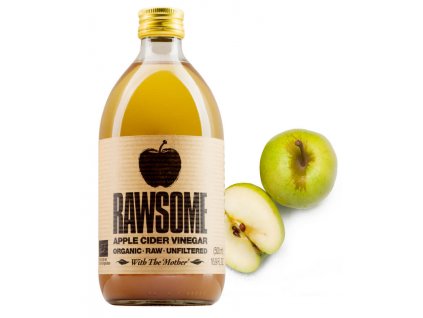
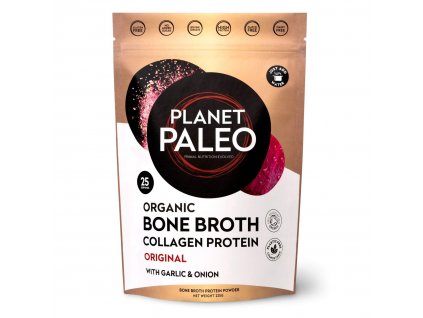
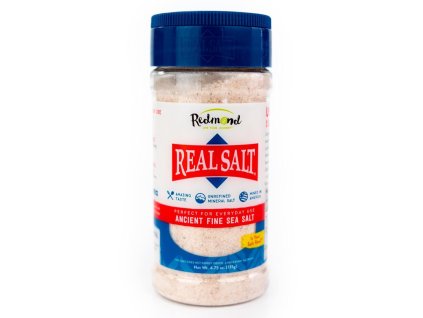
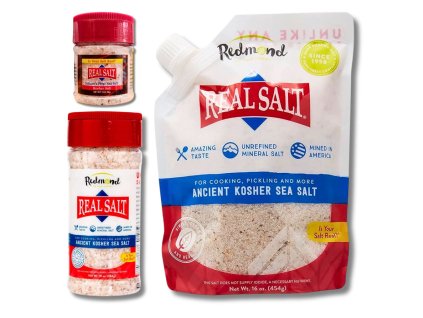
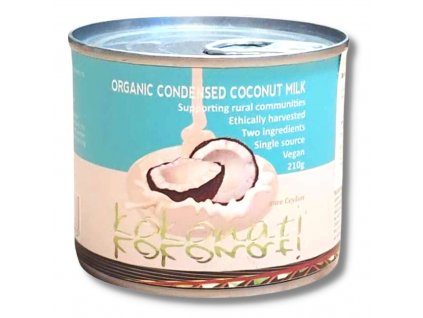
Condensed coconut milk from Ceylon Kokonati is an excellent plant-based alternative for...

Quality mayonnaise made from organic ingredients such as sunflower oil, egg yolks (free...
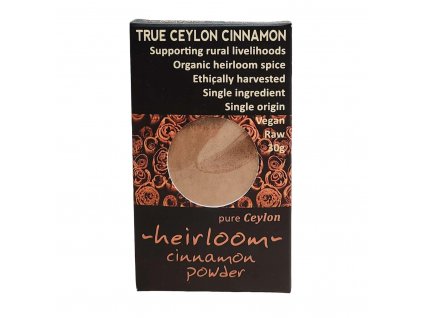
Genuine Ceylonese, high-quality cinnamon in organic quality is one of the essential...

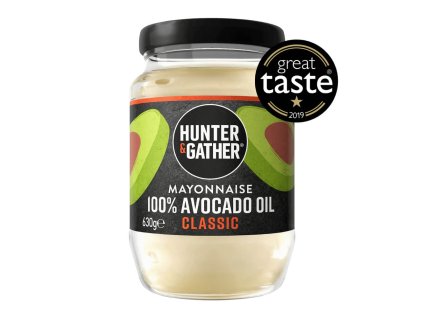
A healthy and tasty alternative to classic mayonnaise, rich in essential omega 3-6-9...

Greek yellow half peas are an excellent meat substitute and a rich source of nutrients,...
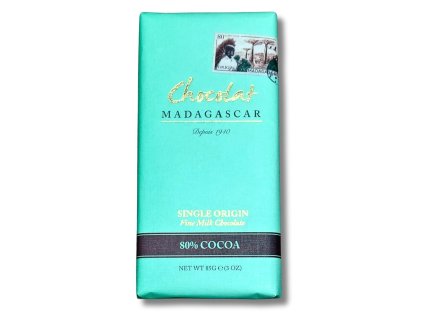
Milk Chocolate 80% Cocoa is intense yet unexpectedly smooth. It combines a high cocoa...
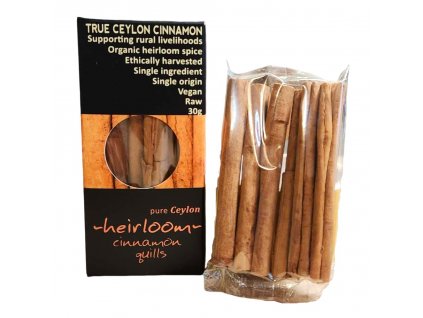
Genuine Ceylonese, high-quality whole cinnamon in organic quality is one of the...

Organic sterilised peas with carrots, grown with respect to organic farming. Free of...

The peas in brine are from organically grown peas, without chemical additives. The...

Milk Chocolate 50% Cocoa offers a smooth yet full flavour that highlights the quality...
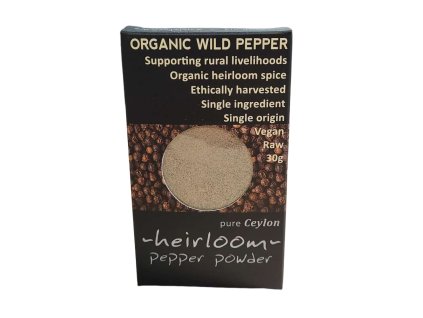
Black pepper is one of the essential spices that should not be missing in any kitchen....


Golden turmeric is one of the spices that should not be missing in any kitchen....

White chocolate 45% cocoa is an exceptionally delicate and naturally sweet white...
Christmas cooking: tradition and lighter modern menus
Prepare a festive dinner or lunch in the spirit of Czech traditions — with a modern, lighter twist if you like. Stick to quality ingredients, simple methods and freshness on the plate.
In the Czech Republic, Christmas Eve typically features a soup, a main course with potato salad and small sweet bites. Explore both classics and contemporary alternatives.
How to build your Christmas Eve menu
- Soup: most often fish (carp, with croutons), regionally also pea or lentil soup.
- Main course: traditionally carp with seasoning and frying in a quality fat; also common are cutlets (veal/pork/chicken) or baked fish.
- Potato salad: the classic with mayonnaise and vegetables; in a lighter version, replace part of the mayo with yogurt or sour cream and add extra virgin olive oil.
- Lighter trends: salmon or trout baked with herbs, gluten-free breadcrumbs, more roasted vegetables and fermented sides.
- Christmas lunch: traditionally mushroom “kuba” or another meat-free dish (grain + mushrooms, marjoram, garlic).
Practical tips for a lighter festive meal
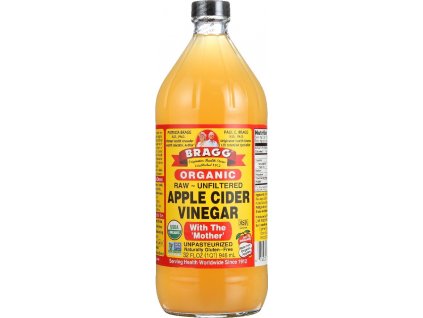
- Lighten the salad 1:1 (mayonnaise : plain yogurt), season with pickles, celery and a few drops of apple cider vinegar.
- Bake fish at 170–190 °C with herbs and lemon; a crisp crust comes from rice or corn breadcrumbs.
- For frying choose a stable fat (Ghee) and keep the right temperature (less oil absorption).
- Plate balance: add a fresh leafy salad, sauerkraut or pickles — refreshing and digestion-friendly.
Recipe tips
- Fish soup — a classic from carp parts with croutons; can be mellowed with root vegetables and butter.
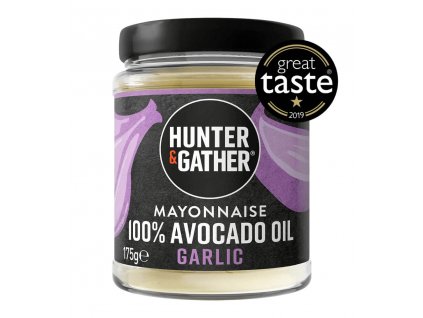
- Lighter potato salad — replace half the mayonnaise with yogurt (or try a favourite mayo from Hunter & Gather), plus celery stalk, pickle, peas.
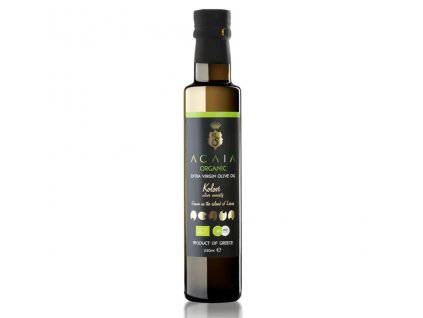
- Baked salmon/trout — herbs, lemon, salt and extra virgin olive oil; serve with roasted roots.
- Mushroom “kuba” — barley + dried mushrooms, garlic, marjoram; a great lunch.
FAQ
What is a typical Czech Christmas Eve dinner?
Most often fish soup, followed by carp (or schnitzel) with potato salad. Regionally, pea or lentil soups are served, and lunch is often mushroom “kuba”.

How to lighten potato salad but keep that “homemade” taste?
Replace part of the mayonnaise with plain yogurt (e.g., 1:1) and add pickles and celery for freshness. Briefly blanch the sweet onion — it softens the bite but stays crisp. Finish with salt, pepper and a few drops of apple cider vinegar and extra virgin olive oil (light touch).
A great option is Hunter & Gather mayonnaise — olive or avocado oil. Compared with typical industrial mayo it’s free from seed/vegetable oil blends (rapeseed/sunflower), refined-sugar free and made with British free-range egg yolks, using 100% olive/avocado oil only. The result is a clean label, creamy taste and suitability for low-carb/keto salads.
I don’t want fried carp — what are modern alternatives?
Try baked carp with butter and herbs, or oven-baked salmon/trout. For an oven-baked crunch, use rice/corn breadcrumbs and bake until golden. No fish? Veal/chicken schnitzel or plant-based cutlets with lemon and salad.
Milder fish soup — can I make it without offal?
Yes. Make a rich stock from heads and bones with root vegetables and spices, thicken with roux/cream and serve with croutons. Roe and milt are optional — good flavour comes from a solid base and butter.
How to avoid overeating and support calm digestion at Christmas?
Slow down and eat mindfully: notice satiety signals and aim for 80–90% fullness. After the main meal, a 10–15-minute walk is gentle, supports digestion and overall comfort.
Balance the plate with protein, fibre and quality fat, keep well hydrated and try slightly reducing sugar. For gentle support consider supplements: bitter herbal drops before meals, digestive enzymes with heavier dishes (e.g., lactase for lactose, α-galactosidase for legumes) and long-term probiotics/synbiotics. A gentle finish: ginger or mint tea.
Which fat to use for frying/baking fish and schnitzels (and what temperature)?
For Christmas fish and schnitzels choose a stable fat and keep the right temperature. For higher heat use ghee or refined avocado oil (very high smoke point). For medium heat (pan-frying/oven baking), extra virgin olive oil is a safe choice — it’s heat-stable thanks to antioxidants and mostly monounsaturated fats.
Aim for about 165–190 °C (fish/schnitzels): you’ll get a crisp crust without burning the fat. Avoid repeated overheating and don’t reuse burnt oil. Tip: in the oven, use a thin layer of fat and convection — less splatter, lighter result.