
Decorative Cosmetics
Decorative cosmetics at Pravé Bio are selected to support a natural look without a heavy finish. In this category, you’ll find products to even out skin tone, brighten, and add a warmer tone. You can apply them in thin layers and build the intensity as needed.
Our range includes mineral and cream foundations in several shades and undertones, highlighters, bronzers and lip balms. Selected foundations are also available with sun protection (SPF 25). This category is mainly made up of products with ingredients from organic farming; for us, the “bio” label means a traceable origin. For each item, we list the full ingredients (INCI) and, where the product allows, information on organic origin and the share of ingredients from organic farming.




Product sorting
Brands
List of products

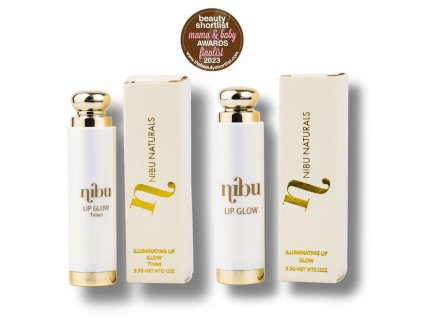
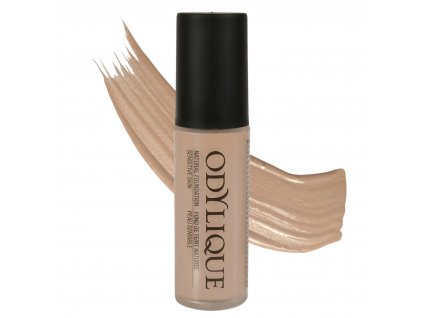
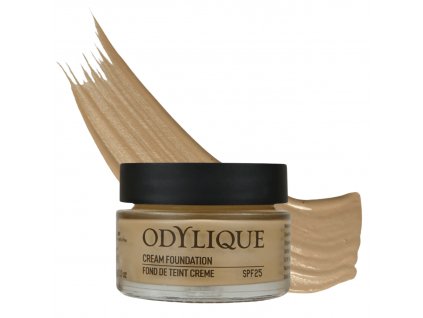
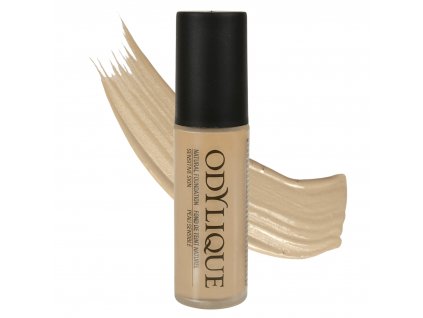


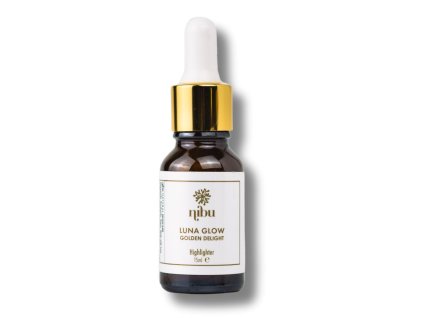
Golden Delight Serum is moisturizing, nourishing, and it gives you the same effect as...

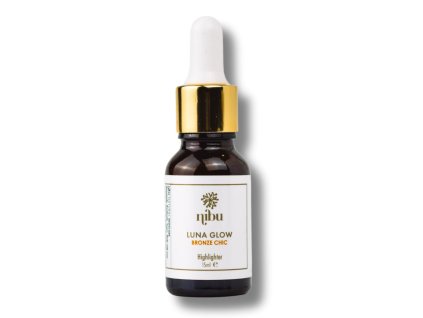
The Bronze Chic Bronzer is moisturising and nourishing, while achieving the same effect...

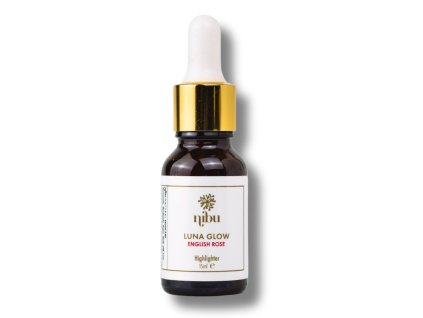
The English Rose Brightening Serum is moisturising and nourishing, while achieving the...
Listing controls
How to choose make-up with organic ingredients
Make-up in this category includes mineral and cream foundations, highlighters, bronzers and lip balms with clearly stated ingredients. Some products also list the share of ingredients from organic farming; we use the “bio” label only where it can be evidenced. If you’re looking for light to medium coverage and the option to choose both shade and undertone, you’ll find a clear overview of the main types of make-up here.
Related products by type of care can also be found in Natural cosmetics and Kids’ cosmetics.
What you’ll find in this category
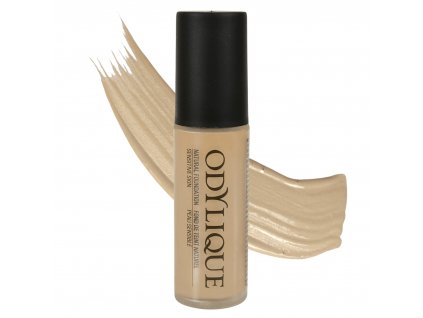
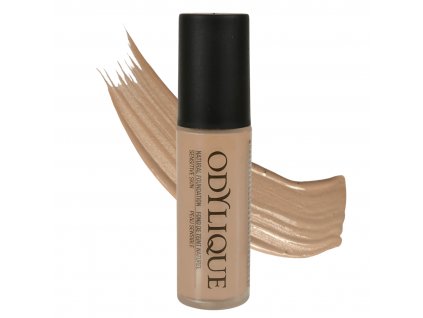
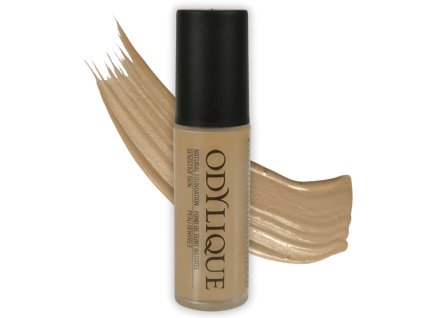
You’ll find mainly mineral and cream foundations from Odylique in several shades and undertones. There are also highlighters and bronzers from Nibu (the Luna Glow / NEO Luna ranges) and lip balms for everyday use.
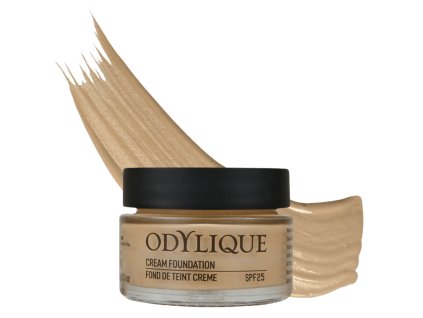
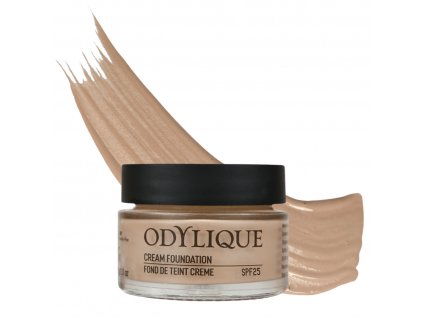
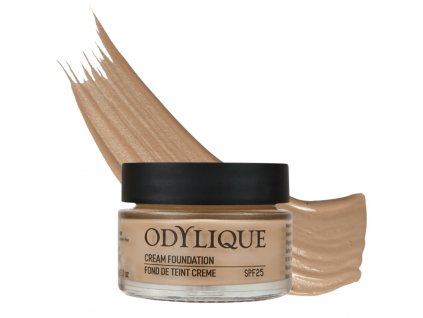
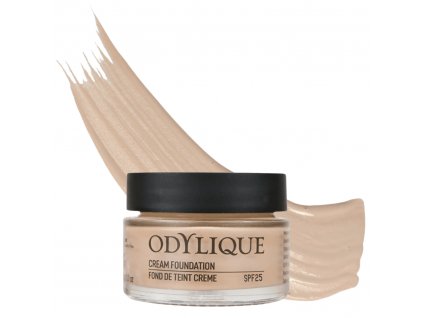
Each product always lists its ingredients, shade and recommended use; see Cream foundation SPF 25 – No. 20 and Liquid bronzer NEO Luna – Bronze Chic.
Mineral foundation and coverage
Mineral foundation uses finely milled pigments to even out skin tone and allows you to build coverage in layers. Each product states the level of coverage and finish described by the brand.
When choosing, look not only at the depth of shade, but also the undertone – pink, neutral or warmer golden.
Cream foundation SPF 25
Selected cream foundations with SPF 25 are water-free and fragrance-free. The stated SPF value is based on a formula with a mineral filter using zinc oxide.
To achieve the stated SPF protection, it’s important to apply the recommended amount of product and, if you’re in the sun for longer, reapply during the day or use a separate SPF product.
Highlighters and bronzers
Highlighters and liquid bronzers are used for targeted highlighting or adjusting skin tone. Apply a small amount and combine with foundation to reach the intensity you want. Information on ingredients and recommended use is always provided on the individual product.
Lip balms
Lip balms are based on plant oils and waxes. You can use them on their own or as a base under a coloured product. Each variant includes the full INCI, including any potential allergens.
How to choose a shade
Choose your shade based on your skin undertone. Warmer undertones often suit golden or olive shades, while skin with a pink tint tends to suit neutral to cooler options. If you’re unsure, choose a mid shade and adjust the result with bronzer or highlighter.
Application tips
Before applying make-up, cleanse and moisturise your skin. Apply foundation in a thin layer from the centre of the face outwards. Where you want more coverage, add another thin layer.
How we select products
We look at whether the ingredients list is complete, the share of ingredients from organic farming (where stated), the type of pigments used, and how SPF protection is declared. Each product includes an ingredients list; it’s worth checking, especially if you have allergies or specific preferences.
FAQ
What’s the difference between conventional and natural (“bio”) make-up?
The difference isn’t only the origin of ingredients, but also the way products are formulated. Conventional make-up often uses synthetic polymers, silicones, artificial colourants and added fragrance to create a specific texture and longer wear.
Natural and “bio” make-up typically relies on mineral pigments, plant oils, waxes and extracts. The finish on the skin often looks more natural and feels lighter. With “bio” options, some ingredients also come from organic farming and are certified (e.g. COSMOS Organic).

Does natural foundation cover as well as conventional foundation?
Coverage depends on the specific formula and product type, not only on whether it’s natural. In natural make-up, you’ll find everything from light to medium and higher coverage.
The difference is often more about the final effect: natural foundations usually look more natural and layer well. For a very matte, high-coverage look, choose based on the texture description and your skin type.
What does it mean when a foundation is mineral?
Mineral foundation is based on mineral pigments (e.g. iron oxides) and often includes mineral ingredients that influence coverage and the look on the skin (e.g. zinc oxide or titanium dioxide).
Loose mineral foundations often have a very short ingredient list. In liquid or cream versions, mineral pigments are combined with a water–oil emulsion, which affects spreadability, comfort and the final finish.
How do you choose the right foundation shade online?
The key is your undertone (warm, cool, neutral), and only then the depth of shade. The wrong undertone shows on the skin even if the shade depth is close.
It helps to compare against a foundation that already works for you and follow undertone descriptions (e.g. “for redness-prone skin”, “warm”, “neutral”). With mineral foundations, it’s common for the shade to look more natural and blend in more once worked into the skin.
Is natural make-up suitable for sensitive skin?
Often yes, but it can’t be generalised. One advantage is a clearer ingredient list without synthetic fragrance and without unnecessary ingredients used mainly for texture effects.
Even in natural cosmetics, some ingredients can still cause sensitivity (e.g. essential oils). If your skin is reactive, check the INCI and start by testing a new product on a small area.
What does SPF in foundation mean, and is it enough as sun protection?
SPF indicates the level of protection against UVB. If a foundation has SPF (e.g. 15 or 25), it contains UV filters – in natural cosmetics, often mineral ones (zinc oxide or titanium dioxide).
In practice, foundation is usually applied in a smaller amount than sunscreen, so the protection may not match what you would get from a full layer of an SPF product. For longer time in the sun, it’s better to use a separate SPF product and apply foundation afterwards.
What’s the difference between liquid, cream and loose foundation?
The main differences are texture, application and the finish on the skin.
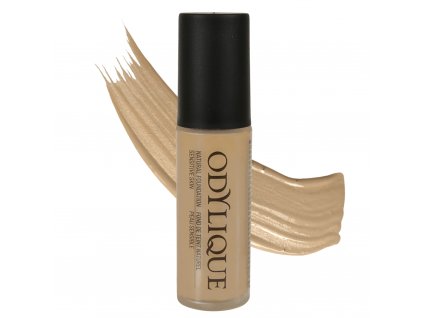
Liquid foundation spreads easily and often looks natural. Cream foundation is typically richer and often offers higher coverage. Loose mineral foundation is water-free, light, and allows you to build coverage gradually, but it needs careful buffing in with a brush.
Does natural make-up contain microplastics?
In certified natural and organic cosmetics (e.g. under COSMOS standards), the standards don’t allow synthetic polymers used for film-forming and a “plastic” finish, so they are not commonly found in these products.
If a product isn’t certified, it’s worth checking the ingredients list. In make-up, synthetic polymers are used for wear, adhesion or a smoothing effect.
How is a brightening serum different from a classic highlighter?
A brightening serum is liquid and usually more subtle – you can use it on its own, under make-up, or mixed into foundation. It often creates a natural glow over a larger area.
Highlighter is usually more concentrated and applied to specific areas (cheekbones, bridge of the nose). The difference is mainly intensity, and whether you want an all-over glow or targeted highlighting.
Why is natural make-up often more expensive?
The price reflects the origin of ingredients (including ingredients from organic farming), certification, smaller production batches, and the fact that some cheaper synthetic additives used to adjust texture aren’t used in natural cosmetics.
That said, a higher price doesn’t automatically mean a product will suit everyone. It’s worth looking at the ingredients, texture, shade and finish – these are usually what matter most in practice.