
Long-term seasonal support
Herbs, functional mushrooms and long-term seasonal support are intended for customers who want to approach the pollen season more broadly – not through one isolated ingredient, but through herbs, functional mushrooms, nutrition, the microbiome and long-term care for mucosal and immune balance.
Products in this subcategory are usually introduced several weeks before the period of highest pollen exposure and used consistently throughout the season. They are not intended as an immediate response to acute symptoms, but as part of a more regular routine for periods when the body is more exposed to pollen, dust, dry air and other seasonal factors.
Here you will find ingredients such as reishi, nettle, turmeric, black seed, spirulina, herbal extracts, fermented blends, colostrum and selected probiotics. With probiotics, we look particularly at specific strains that appear in studies on allergic rhinitis or seasonal allergy, including Lactobacillus paracasei, Bifidobacterium longum, Lactobacillus acidophilus, or strain combinations such as Lactobacillus gasseri, Bifidobacterium bifidum and Bifidobacterium longum.
These ingredients appear in traditional practice or scientific research in connection with immune response, inflammatory mediators, oxidative stress, mucosal comfort or the gut–nose axis. Products in this subcategory are not intended to treat allergies or hay fever, and they are not suitable for acute allergic symptoms. Instead, they help customers choose a longer-term direction of care during periods when the body may respond more sensitively to pollen season and other environmental factors.
Product sorting
Brands
List of products


Discount reason: Best before date 12/2025 Freeze-dried colostrum usually remains...
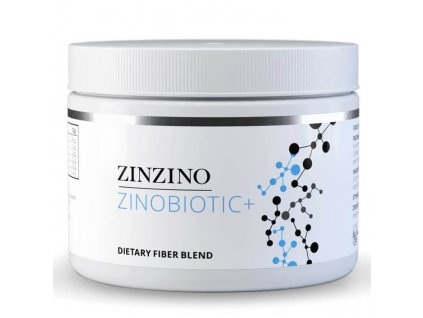

Jigsaw Health Essential Blend Probiotics™ contain 5 billion live probiotic strains....
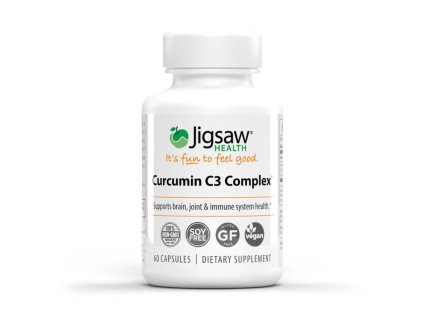
Curcumin C3 Complex® is clinically tested. This unique blend uses three of the most...
Listing controls
Herbs, functional mushrooms and long-term support during pollen season
Unlike the Fast seasonal support section, where customers usually choose products by specific ingredients such as quercetin, bromelain or vitamin C, this subcategory takes a broader view of the pollen season. It includes herbs, functional mushrooms, green foods, probiotics, colostrum and fermented blends, which are used more as part of long-term seasonal care than as a quick response to acute symptoms.
The pollen season is not only about the nose. In sensitive individuals, contact with pollen involves the histamine response, mucosal immunity, inflammatory mediators, oxidative stress and the body’s overall reactivity. This is why both scientific literature and traditional herbal practice discuss ingredients that are not aimed at one immediate reaction, but at broader immune balance, mucosal comfort, antioxidant protection and support during periods of increased seasonal exposure.
Here, the ingredient itself is not the only thing that matters. Origin, processing method, form, dosage and the true role of each ingredient in the formulation are just as important. A good product in this category should not feel like a random list of popular herbs or mushrooms. Each ingredient should have a clear reason for being used in a seasonal context.
Why reishi, nettle, turmeric, black seed and spirulina are included
Reishi, Latin name Ganoderma lucidum, is one of the best-known functional mushrooms. In traditional Chinese medicine, it has long been associated with vitality, resilience and support during more demanding periods. From a modern research perspective, it is interesting mainly because Ganoderma species contain groups of compounds such as polysaccharides, beta-glucans and triterpenes, which appear in studies on immune response, inflammatory mediators and allergy-related respiratory mechanisms.
We do not present reishi here as a remedy for allergies or as a replacement for antihistamines. Its place is in long-term seasonal care, for customers looking for a broader mycological and nutritional approach. With quality reishi products, we look mainly at the part of the mushroom used, the type of extract, cultivation method, standardisation and information on naturally occurring groups of compounds. With spores, it is important to know whether they are processed as broken-shell, as disrupting the hard outer wall supports better release of bioactive compounds.
Nettle has a long tradition in European herbal practice and is often associated with spring, cleansing traditions and seasonal sensitivity. From a research perspective, it is interesting because it has also been studied in clinical settings involving people with allergic rhinitis, where symptoms, IgE, eosinophils and selected immune mediators were evaluated. This is why we see nettle in this subcategory as a traditional herb with a specific seasonal rationale, rather than simply as a general “spring herb”.
With nettle, however, it is important to stay precise. We do not present it as a treatment for allergies or as an acute option for strong pollen reactions. It belongs more naturally within long-term seasonal support, especially where customers are looking for a herbal extract or blend to introduce regularly before and during the pollen season.
Turmeric and its main active compound curcumin are studied in the scientific literature in relation to inflammatory mediators, oxidative stress and immune response. In allergic rhinitis, there is a human randomised study in which curcumin taken for two months was associated with improvements in some nasal symptoms and nasal airflow. This is why turmeric can have a place in this category.
At the same time, we do not place it among the main acute seasonal products. We understand turmeric more as a complementary long-term support ingredient within a broader approach to the body, particularly in formulations where the form, dosage and reason for use are clearly defined.
Black seed, also known as Nigella sativa or black cumin seed, has a long tradition in the herbal practices of the Middle East, North Africa and Asia. Modern research has also looked at it in relation to allergic rhinitis, respiratory comfort, immune response and inflammatory mechanisms. Systematic reviews and meta-analyses have examined its use in allergic rhinitis, which gives it a clearer connection to this category than many general herbs.
Black seed therefore belongs in this subcategory as a herbal ingredient for broader seasonal care. Again, this is not about treating allergies. With black seed products, we look mainly at the form, dosage, quality of the oil or extract and the overall formulation.
Spirulina is a green food that customers often look for in connection with nutrition, vitality and antioxidant support. We do not include it in this subcategory simply because it is “green” or nutrient-rich. Spirulina has been studied in clinical settings involving allergic rhinitis, where nasal symptoms, inflammatory mediators and quality of life were assessed. This gives it a more specific basis in the seasonal category than an ordinary green superfood with no research connection to allergic rhinitis.
In practice, however, we communicate spirulina as part of nutritional and antioxidant support, not as a treatment for allergies. It is especially suitable for customers who want to approach the season through everyday nutrition and long-term care for the body.
Functional mushrooms in a seasonal context
Functional mushrooms form a separate mycological direction within this subcategory. Customers most often come across reishi, or other mushrooms and multi-mushroom blends. With these products, it is important to distinguish whether the product is a whole mushroom powder, an extract, a combination of extracts, a spore product or a fermented form.
With mushrooms, the name alone is not enough. It matters whether the manufacturer states the part of the mushroom used, cultivation method, extraction type, standardisation or the naturally occurring content of key compound groups. With reishi, we are especially interested in polysaccharides, beta-glucans, triterpenes and overall processing transparency.
We do not present reishi or other functional mushrooms in this category as primary products for pollen allergy. Their place is in longer-term seasonal care, where the customer is looking for a broader mycological, nutritional and traditional approach during periods of increased seasonal exposure.
Herbal extracts, green foods and fermented blends
Herbal products in this subcategory may come as standalone extracts, oils, capsules, powders or complex blends. Customers may find nettle, black seed, turmeric or other traditionally used plants, depending on the current range.
With herbal products, we look mainly at the origin of the raw materials, purity of the formulation, processing method, dosage and overall clarity of the recipe. A good herbal product should not read like a random list of familiar plants. Each ingredient should have a clear role, and the manufacturer should be able to explain why it is included.
This section may also include fermented blends, for example products from Living Nutrition. Fermentation is not just a marketing word here, but part of how the raw materials are processed. With these products, it is worth looking at how the manufacturer describes fermentation, which ingredients are used and how the finished product is stabilised.
Fermented products are not suitable for everyone. More sensitive customers may wish to start with a lower dose, observe their own tolerance and follow the manufacturer’s recommended use. This subcategory should not create the impression of one universal recommendation for everyone, but rather offer a clear view of different herbal, nutritional and mycological approaches.
Selected probiotics, colostrum and the gut–nose axis
Selected probiotics and colostrum belong in this subcategory when they have a clear connection with the gut microbiome, mucosal immunity or the intestinal barrier. In allergic rhinitis, research increasingly discusses the connection between the gut, the immune system and the mucosal surfaces of the airways. This relationship is often described as the gut–airway axis, or more simply here as the gut–nose axis.
With probiotics, it is important to look at the specific strains, dosage, number of cultures, storage requirements and suitability for individual needs. Not every probiotic automatically belongs in this subcategory. We mainly include products where there is a logical connection with allergic rhinitis, seasonal sensitivity, mucosal immunity or long-term microbiome care.
Colostrum belongs here for a different reason than herbs or mushrooms. It naturally contains compounds such as immunoglobulins, lactoferrin, growth factors and other bioactive components, which are studied in relation to the intestinal barrier, immune response and mucosal protection. In the context of pollen season, we therefore do not understand colostrum as a product “for allergies”, but as part of broader nutritional care through the gut, mucosal surfaces and immune balance.
With colostrum, we look mainly at origin, gentle processing, raw material quality, dosage and manufacturer transparency. Particular care is appropriate for people with a milk protein allergy or strong sensitivity to dairy products.
When to choose this subcategory
Customers usually choose this subcategory when they are not looking for a quick choice based on one specific ingredient, but for a broader seasonal routine. It is suitable for those who want to work with herbs, functional mushrooms, green foods, probiotics, colostrum or fermented blends.
Products in this section are usually introduced several weeks before periods of higher pollen exposure, or used consistently during the season. They are not intended for immediate relief from acute allergic symptoms. Their place is in a more regular seasonal routine, where the customer considers the overall formulation, raw material origin and suitability for their own needs.
If the customer is mainly looking for quercetin, bromelain or vitamin C, the Fast seasonal support subcategory will usually be more appropriate. If they mainly need to focus on the nasal mucosa, dryness, rinsing after time outdoors or direct contact with pollen and dust, the Nasal hygiene section may be a better fit.
How PraveBio.cz selects products
With herbal products, green foods, probiotics, colostrum and functional mushrooms, we focus mainly on raw material origin, processing method, purity of formulation, dosage, manufacturer transparency and the real reason for use. A product does not belong in this subcategory simply because it contains a familiar herb or popular mushroom.
With functional mushrooms, we look at whether the manufacturer states the part of the mushroom used, the type of extract, raw material quality, cultivation and processing method. With herbal blends, we look at whether the ingredients are chosen logically and whether the formulation avoids feeling like a random list of well-known plants. With probiotics and colostrum, we look for clear composition, dosage and a trustworthy manufacturer.
In this subcategory, you may find brands such as Living Nutrition, Mushrooms for Life, North American Herb & Spice, ENERGYbits and other producers depending on the current range. Each brand works with herbs, mushrooms or nutritional ingredients in a different way. Our aim is to select products where it is clear where they come from, why they are included and what role they may play in broader seasonal care.
Responsible use of herbs, mushrooms and food supplements
Food supplements are not medicines and are not intended to treat allergies, hay fever or other medical conditions. Herbal products, functional mushrooms, green foods, probiotics and colostrum can form part of broader care for the body, but they do not replace a varied diet, medical care, diagnosis or treatment recommended by a healthcare professional.
If you take medication, are pregnant or breastfeeding, have a diagnosed condition, asthma, strong allergic reactions or long-term symptoms, consult a doctor or qualified professional before using food supplements. Extra care is also appropriate with herbal extracts, functional mushrooms, fermented products, colostrum, complex formulations and products containing several active ingredients.
Frequently asked questions about herbs, mushrooms and long-term seasonal support
Why are reishi, nettle, turmeric, black seed and spirulina in this category?
These ingredients are included because some customers approach the pollen season more broadly than through one specific ingredient. Reishi, nettle, turmeric, black seed and spirulina appear in traditional practice or scientific studies in connection with immune response, inflammatory mediators, oxidative stress, mucosal comfort or allergic rhinitis. They are not presented here as a treatment for allergies, but as part of longer-term seasonal care.
Is reishi suitable during pollen season?
Reishi appears in this subcategory as a functional mushroom with traditional mycological use and a research connection with immune and inflammatory mechanisms. We do not present it as a treatment for allergies or as a replacement for medication. It belongs here as part of a broader nutritional and mycological approach for customers interested in long-term care for the body.
Why is nettle included in this subcategory?
Nettle is traditionally associated in European herbal practice with spring, cleansing traditions and seasonal sensitivity. There are also clinical studies that have looked at nettle in people with allergic rhinitis. In this subcategory, we include it as a herbal ingredient for broader seasonal care, especially as part of herbal or fermented blends.
Why is turmeric included?
Turmeric contains curcuminoids, especially curcumin, which are studied in relation to inflammatory mediators, oxidative stress and immune response. Human studies with curcumin exist in allergic rhinitis, but in food supplements we do not present it as a treatment for allergies. It belongs here as a complementary ingredient for longer-term seasonal support.
Why is black seed included?
Black seed, also known as Nigella sativa, has a long tradition in herbal practice and also appears in modern research on allergic rhinitis. In this category, we present it as a herbal ingredient for broader seasonal care, not as a treatment for allergies.
Why is spirulina included?
Spirulina is a green food with a nutritional and antioxidant context. We also include it in this category because it has been studied in clinical settings involving allergic rhinitis. In product communication, however, we present it as part of nutritional seasonal support, not as a treatment for allergies.
Why are probiotics and colostrum included?
Selected probiotics and colostrum belong here within a broader nutritional and microbiome-related framework. In allergic rhinitis, research looks at the relationship between the gut microbiome, mucosal immunity and the airways. Probiotics may therefore fit into the idea of the gut–nose axis when they have suitable strains and dosage. Colostrum is connected with the intestinal barrier, immunoglobulins, lactoferrin and mucosal immunity. Neither is presented as a treatment for allergies.
Are herbs and functional mushrooms intended for immediate allergy relief?
No. Products in this subcategory are not intended for immediate relief from acute allergic symptoms. They belong more naturally within longer-term seasonal care. If you need to address strong or rapidly worsening allergy symptoms, consult a doctor or pharmacist.
Are fermented herbal and mushroom products suitable for everyone?
Not always. With fermented products, it is sensible to start carefully, observe your own tolerance and follow the recommended dosage. If you already know that fermented foods or supplements do not suit you, it is wise to start with a very low dose or discuss your choice with a professional.
How can I recognise a quality functional mushroom product?
With functional mushrooms, it is worth looking at the origin of the raw material, the part of the mushroom used, the type of extract, cultivation method, processing and manufacturer information on the main groups of compounds being monitored. A quality product should have a clearly described composition and should not rely only on the general name of the mushroom.
Are herbs and functional mushrooms suitable for everyone?
Not always. With herbal extracts, functional mushrooms, probiotics, colostrum and fermented products, it is important to check the composition, dosage and your own tolerance. If you take medication, are pregnant or breastfeeding, have a diagnosed condition or are dealing with a more significant health issue, it is advisable to discuss your choice with a doctor or qualified professional.