
Pasta & Noodles
In the Pasta and noodles category, you’ll find rice noodles in various types (including vermicelli), egg noodles, pasta such as orzo (kritharaki), and rice paper for rolls. They’re ideal for soups, woks and salads, as well as making homemade rolls.
They vary in ingredients, allergen content (especially gluten and eggs), thickness and preparation method. Selected items also come with organic certification – on the website they’re marked with the “Bio” label, and you’ll find the same wording on the packaging.
Product sorting
Brands
List of products

High quality wheat flour and eggs were used to give them their excellent taste and...

A gluten-free and healthy alternative to classic pasta, ideal for celiacs and all those...

They are made entirely from rice and contain no wheat or gluten, making them an ideal...

A delicious base for preparing homemade spring rolls, dumplings and other Asian dishes....

Yakso 's white rice noodles are a gluten-free alternative to regular noodles, made...


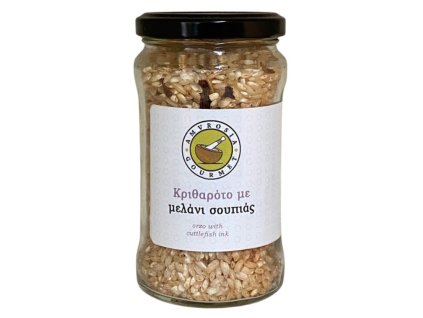
Reason for discount: best before 12/2025. With dry pasta, what matters after the...
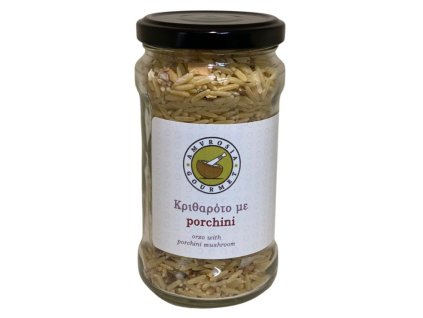
Reason for discount: best before 12/2025. With dry pasta, what matters after the...
Listing controls
Why think about choosing pasta and noodles?
This category brings together different types: rice noodles (thin and wider), egg noodles, pasta such as orzo (kritharaki), and rice paper for rolls. Each type is used and prepared differently, so it’s worth checking the ingredients, allergens and instructions on the pack.
For a quick “noodles + ready-made sauce or soup” option, you may also find the Ready meals category useful.
What you’ll find in this category?
- Rice noodles (white, brown, black) in different thicknesses.
- Rice vermicelli for soups and lighter dishes.
- Egg noodles – you’ll recognise them by eggs in the ingredients and in the allergen list.
- Orzo (kritharaki) – small pasta for soups, salads and as a side.
- Rice paper for rolls.
How to choose pasta and noodles?
With noodles, thickness and preparation method matter: some are boiled, others are simply soaked. With egg noodles, expect eggs in the allergen list. If you avoid gluten, follow the “gluten-free” declaration and the allergen list on the pack.
Products with organic certification are marked “Bio” on the website and on the packaging.
Tips for use
- Don’t overcook rice noodles: follow the instructions, rinse briefly after draining, and toss them if they need to sit for a moment.
- Vermicelli works best in soups; in a frying pan, wider types often hold up better.
- Soak rice paper briefly – it softens on the board. Soaking for too long increases the chance of tearing.
- Cook orzo like pasta; for salads, cool it after cooking and toss with a little oil.
FAQ
Which noodles work well in soup, and which are better for the pan?
Thin types are often used in soups (for example rice vermicelli), as they cook quickly. For the pan, noodles with a firmer texture or a wider shape usually break less when stirred.
The instructions on the pack are key: some noodles are boiled, while others are only soaked and finished in the pan.

How do I cook rice noodles so they don’t stick together?
The most common cause is overcooking or soaking for too long. Follow the time given by the manufacturer, rinse briefly after draining, and toss the noodles.
If they need to wait, a small amount of oil can help. Add them to the pan only once the sauce is ready.
Are rice noodles always gluten-free?
Rice is naturally gluten-free, but with a finished product, what matters is the declaration on the packaging and the allergen list. Some products may state potential trace contamination.
If you need a strictly gluten-free option, look for “gluten-free” and check the allergens.
How can I tell if noodles are suitable for vegans?
The most common issue is eggs. Egg noodles list them in the ingredients and in the allergen list. Rice noodles often have a simpler ingredient list, but the label is always the deciding factor.
If the “vegan” label isn’t there, check the ingredients and allergens – don’t rely on the name alone.
What’s the difference between white, brown and black rice noodles?
They differ by the type of rice used, and therefore in colour and flavour. White noodles tend to be more neutral, while darker varieties have a more distinctive character.
Preparation can also vary between products (soaking/boiling and timing), so it’s worth reading the instructions on the pack.
How do I handle rice paper for rolls?
Soak the rice paper briefly and lay it on a board – it will soften within moments. Soaking for too long increases the risk of tearing and sticking.
Use a drier filling and roll it up gradually. If the paper sticks, a clean, lightly damp work surface can help.
What is orzo (kritharaki) and what is it used for?
Orzo (kritharaki) is small pasta shaped like grains. It’s used in soups, salads, as a side, or as a base for a sauce.
Cook it like regular pasta. For salads, it’s practical to cool it after cooking and toss it with a little oil.
How should I store pasta, noodles and rice paper after opening?
Keep dried pasta and noodles dry and well sealed so they don’t pick up moisture. With rice paper, sealing it properly is especially important – otherwise it can become brittle or, conversely, take on moisture.
If the manufacturer gives specific guidance, follow it.
An overview related to reducing carbohydrates is in this article: Low-carb diet.