
Black Seed Oil – 100% Pure, 240 / 355 ml extra virgin • cold-pressed • 40 mg naturally occurring thymoquinone per teaspoon • food supplement
Extra virgin black seed oil, cold-pressed from Turkish-grown Nigella sativa. NAHS cultivates its black seed with the aim of recreating the natural growing conditions of the Turkish mountains. Its wholefood approach retains the oil’s fatty acids alongside naturally occurring seed compounds, including thymoquinone.
- One ingredient: 100% extra virgin Nigella sativa seed oil.
- 40 mg of thymoquinone per teaspoon: naturally present in the pressed oil.
- One teaspoon: recorded as 5 g of oil on the label. Follow the daily directions on your bottle.
- 240 / 355 ml: 48 / 72 teaspoon doses, respectively.


Why Pure Black Seed Oil is Pravé Bio
We chose this oil for its Turkish-grown seeds and cold-pressed, wholefood approach. Pressing releases the seed’s fatty oil alongside naturally occurring aromatic compounds, including thymoquinone. That broader composition matters when comparing it with a concentrated TQ extract.
All of the oil comes from black seed grown in Turkey. In our direct conversations, the NAHS team has described efforts to reproduce the natural growing conditions of the Turkish mountains as closely as possible. Oregano is gathered wild; black seed is cultivated with particular attention to its growing environment.
Wholefood is NAHS’s approach to preserving naturally occurring constituents together. Here, that means the fatty acids and accompanying seed compounds remain part of the pressed oil. The choice of raw material and the extraction method both matter when we assess an oil.
Black seed: a small seed with a long history
- A place in Arabic tradition. Black seed appears in the hadith, the collections of sayings and traditions associated with the Prophet Muhammad. Its cultural significance long predates modern supplements.
- Black seed, black cumin, Nigella sativa. The first two names can describe the same plant. The botanical name distinguishes it from cumin and caraway.
- Known in Anatolia since Hittite times. Researchers identified black seeds in a vessel from Boyalı Höyük dated to around 1650 BC, documenting their presence in what is now Turkey.
Research examines whole seeds, pressed oils, extracts and isolated compounds. Results from one preparation cannot automatically establish benefits for this bottled oil. Our FAQ explains the distinction.
Suitable for
Important information
- Do not exceed the recommended daily dose.
- Food supplements should not replace a varied, balanced diet and a healthy lifestyle.
- Keep out of reach of young children.
- Consult a doctor or pharmacist before use if you take medication, have a medical condition, are pregnant or breastfeeding.
- Do not take if you are allergic to black seed.
Why the growing conditions matter
An oil’s composition starts in the field. Soil, climate, water availability and the plant’s genetics all influence the compounds in its seeds. Two oils bearing the same botanical name can therefore have different constituent profiles.
Cold pressing extracts the seed’s fatty oil. Steam distillation separates volatile compounds to produce an essential oil. These methods yield different preparations, which is why the extraction method matters when comparing products.
Pressing extracts the seed’s oil and its fat-soluble compounds. Fatty acids and naturally occurring constituents, including thymoquinone, pass into the oil. Fibre and much of the protein remain in the pressed seed cake. Here, wholefood means retaining the pressed oil’s natural composition.
How growing conditions influence the seed’s composition
- Plants respond to their environment. Research in black seed shows that drought can change phenolic and aromatic constituents, with responses varying by genotype and water availability. In a two-year field trial, drought increased the essential-oil proportion but reduced fixed-oil content and seed yield. Stress does not simply make every constituent rise.
- Freshness also depends on storage. Keep the bottle closed and away from sunlight and heat. A high TQ figure cannot compensate for poor storage.
For a different aromatic profile, Black Seed Oil with oregano & rosemary adds two herbal oils, which NAHS also uses to help limit oxidation.

Thymoquinone: what the number tells you
Thymoquinone, or TQ, occurs naturally in black seed oil. It belongs to the quinone family. Despite the similar names, it is a different compound from thymol, which is often discussed in relation to oregano.
Both the 240 ml and 355 ml labels declare 40 mg of thymoquinone per teaspoon (5 g of oil), equivalent to 0.8% by weight. NAHS describes its black seed range as naturally containing around 0.75–0.8% TQ, without standardisation or synthetic additions. The measured quantity on the label is more informative than “thymoquinone-rich” alone.
- Check the preparation as well as the percentage. A concentrated extract may reach a higher TQ level through different processing. Compare the ingredient type, amount per dose and method used to determine TQ. Standardisation alone does not mean a synthetic ingredient.
- Seed origin can affect the profile. A 2024 analysis of 13 samples found differences in volatile compounds and quality indicators. The researchers used laboratory extraction; this was not a test of bottled NAHS oil.
- Freshness is a separate quality measure. Oxidation changes an oil’s aroma, taste and chemical properties. A single constituent percentage does not describe all of these.

Oil, capsules or gummies: choosing your format
Choose the format for its ingredients, dose and taste. If you prefer additional herbs, compare the oregano & rosemary blend. Its aromatic oils change the flavour as well as the ingredient list.
For drinks, Absorb-Max TQ contains emulsified black seed oil, Oreganol P73 and yacon syrup. We personally find it more palatable than the plain oil.
Black Seed Gummies offer a chewable option with apple pectin. Their ingredients and black seed quantity per dose differ from those of the oil; the details below explain how to compare them.
Adding black seed oil to food
- Expect a spicy, slightly bitter flavour. Try a few drops in a separate spoonful of dressing before adding more: black seed can dominate milder ingredients. You can also take the labelled dose on its own with food.
- Add it after cooking. Add it to the finished dish rather than using it for frying.
What goes into NAHS gummies — and how the dose compares
- Apple pectin gives the gummies their gel structure. Black Seed Gummies use cold-pressed black seed oil, organic apple pectin, organic fair-trade coconut blossom nectar, organic Peruvian yacon syrup and pomegranate concentrate. The ingredient list has no gelatine, cane sugar or tapioca syrup.
- Coconut nectar and yacon syrup supply sweetness. The label declares 4 g of sugars per two gummies. Choosing these ingredients does not make the gummies sugar-free.
- Oil content affects the gel’s structure. A gummy needs to hold its shape while keeping oil dispersed throughout. Increasing the oil changes firmness, texture and stability. Research into oil-containing gels illustrates why there is no universal maximum that applies to every gummy.
- Compare quantities in the full daily dose. Two Black Seed Gummies declare 500 mg of a proprietary blend; a teaspoon of this pure oil contains 5 g of black seed oil. These figures describe different amounts and preparations, not a measure of how their health effects compare.
Absorb-Max: emulsified and micellised oil explained
- Ordinary oil will not dissolve in water. Emulsification divides oil into small droplets; other ingredients help disperse them through a water-based liquid. This changes how the preparation can be used.
- Absorb-Max TQ has a separate formulation. It contains black seed oil, processed Oreganol P73 and yacon syrup. NAHS describes it as emulsified and micellised. Those terms alone do not establish a particle size or measured absorption rate.
- Our preference reflects our own experience of the taste. We enjoy these emulsified drops in drinks. Follow their own directions when choosing them instead of plain oil.
What changes when an oil becomes a capsule or tablet
- A softgel can hold liquid oil. It limits contact with the tongue and divides the oil into individual units. Black Seed oil capsules have their own herbal ingredients.
- Hard capsules can hold powders or dry extracts. Tablets are compressed solid mixtures. Incorporating oil into a tablet requires further processing, such as loading it onto a solid carrier. The plant name alone does not tell you which preparation is inside.

Ingredients & label details
| Amount per teaspoon | 1 teaspoon (5 g) |
|---|---|
| 100% cold-pressed extra virgin black seed oil (Nigella sativa) | 5 g |
| Thymoquinone | 40 mg |
| Omega-6 fatty acids | 2.75 g |
| Omega-9 fatty acids | 1.3 g |
| Total fat | 5 g |
| Of which saturates | 1 g |
| Energy | 45 kcal / approximately 188 kJ |
The figures apply to both bottle sizes. The 240 ml and 355 ml labels declare the same amounts per 5 g teaspoon.
How to use & store
NAHS’s US product page recommends one or more teaspoons daily. Follow the recommended daily dose on the label supplied with your bottle. The label’s nutrient quantities are given per teaspoon, recorded as 5 g of oil. Take with food or add to a dressing, soup, vegetables or a smoothie. Blending disperses the oil through a smoothie; it does not dissolve it in water.
Add to food after cooking. Taste a little in a separate spoonful of dressing first, so the flavour does not overwhelm the other ingredients. Any remaining part of your labelled daily dose can be taken with food. Do not exceed that total dose.
Use for pets
NAHS also describes pet use for this specific pure black seed oil. Ask your vet to confirm suitability and dose for the animal’s species, weight and health before giving it. General “small” and “large” animal categories are not enough to establish an individual dose. Discuss application to skin or paws with your vet too, as the animal may lick the oil off. These directions must not be transferred to other oils or oregano blends.
At one teaspoon a day
| Bottle size | Label dose count | Approximate days’ supply |
|---|---|---|
| 240 ml | 48 | 48 days |
| 355 ml | 72 | 72 days |
Counts come from the labels: 48 and 72 doses respectively. They indicate bottle duration at one teaspoon a day, not a recommended duration of continuous use. Close the bottle after each use and store in a cool place away from sunlight and sources of heat. Follow any further instructions on your pack.
Why the bottle is plastic
The amber-brown PET bottle helps limit light exposure and weighs less than glass. It resists breakage during transport and everyday handling; keep it away from sunlight and heat.
Sources & further reading
For the declared oil, thymoquinone and fatty-acid quantities, see the 240 ml label held in the NIH database (PDF).
- Drought, fixed oil and essential oil in black seed genotypes (2020) — a two-year field trial showing that responses varied with genotype and water availability.
- Black seed responses to drought and salinity (2021) — changes in phenolic compounds in leaves and seeds; not an analysis of the NAHS product.
- Salih et al., 2009: black seeds from Boyalı Höyük — identification of seeds from a Hittite vessel dated to around 1650 BC.
- Thymoquinone in six oils and five capsule products (2022) — laboratory comparison of commercial products, not a clinical trial of this oil.
- Developing oil-containing gels (2023) — how formulation affects gel structure and properties; background to the explanation of gummy manufacture.
- Dąbrowski et al., 2024: black seed oil composition and quality — laboratory comparison of 13 oils extracted from seeds of different origins, not a test of bottled NAHS oil.
- Quality Changes of Cold-Pressed Seed Oils during Storage (2023) — changes in oxidative stability and aroma during storage.
North American Herb & Spice: expertise & in-house manufacturing
 From ingredient to finished supplement
NAHS develops and manufactures its own supplements. Founder Judy K. Gray remains personally involved in sourcing and formulation, working with the brand’s development, manufacturing and quality-control teams.
Oregano was just the beginning
The range began with Oreganol P73. Judy K. Gray has since developed more than 400 formulas for NAHS and its sister brand, Physician’s Strength, which has a separate range for healthcare practitioners.
The wholefood approach
NAHS aims to retain naturally occurring compounds together. For pressed oils, that means considering the seed’s accompanying compounds as well as its fatty acids; for oregano, the essential oil’s wider aromatic profile. The plant and the part used determine how it is processed.
Beyond oregano
Black seed, turmeric, chaga and wild berries sit alongside fish oils in the range. They appear in capsules, drops, powders and drink blends, each with its own ingredients and directions.
Read moreRead less
Long-standing relationships at source
NAHS works with established local partners and harvesters. Its wild oregano is picked by hand in the Turkish mountains; other ingredients come from regions including Peru and northern Canada. Knowledge of local plants, harvests and growing conditions informs both ingredient selection and processing.
More than a buying relationship
NAHS has helped fund wells, schools and community facilities. Its Strong Community Causes programme also supports selected projects nominated by customers.
In-house research & development
The development team selects the ingredients, extracts and any carriers for each formula. It also determines the final format, from liquid oils to capsules and powders.
Made in Lake Forest, Illinois
NAHS has its own manufacturing facilities in Lake Forest, near Chicago. Liquid products are bottled on site under the supervision of the quality-control team.
Checks at both ends of production
Incoming ingredients and finished products are tested for identity, levels of selected constituents and unwanted impurities. Quality control continues beyond receipt of the raw material.
Processing to suit the ingredient
Cold pressing, steam distillation, CO₂ extraction, juicing and milling serve different purposes. Seeds yield pressed oils, while distillation can separate essential oils from aromatic herbs.
Knowing the source
Long-standing partners and local harvesters connect NAHS with the places its ingredients come from. Both the plant species and its growing environment inform the choice of raw material.
GMP & facility certifications
Manufacturing follows GMP principles. The facility holds organic, Kosher and Halal certifications; these do not automatically apply to every individual product.
The people behind NAHS & Pravé Bio
Judy K. Gray, M.S.: founder of NAHS
- Education & early career. Judy studied education at the University of Central Missouri, earning her bachelor’s degree in 1967 & master’s in 1968. Her early career was in education & marketing.
- Founding & leading NAHS. She led the American Institute of Curative Medicine from 1990 to 1998, then founded NAHS in 1999. She continues to oversee ingredient sourcing, formula development & the brand’s triple-testing process.
- Books & publications. Judy wrote Kids Need Care & co-authored The Handbook of Nutrition Quizzes & Eat Right or Die Young. Read about her career in her Marquis Who’s Who profile.
Pravé Bio: NAHS’s exclusive partner for Europe
- London, 2015: our first bottle of Oreganol P73. We found NAHS while looking for a good oregano oil. Having tried it ourselves, we wanted to know more about the oregano’s origins and the wider range. We went on to stock the brand in our London-based online shop.
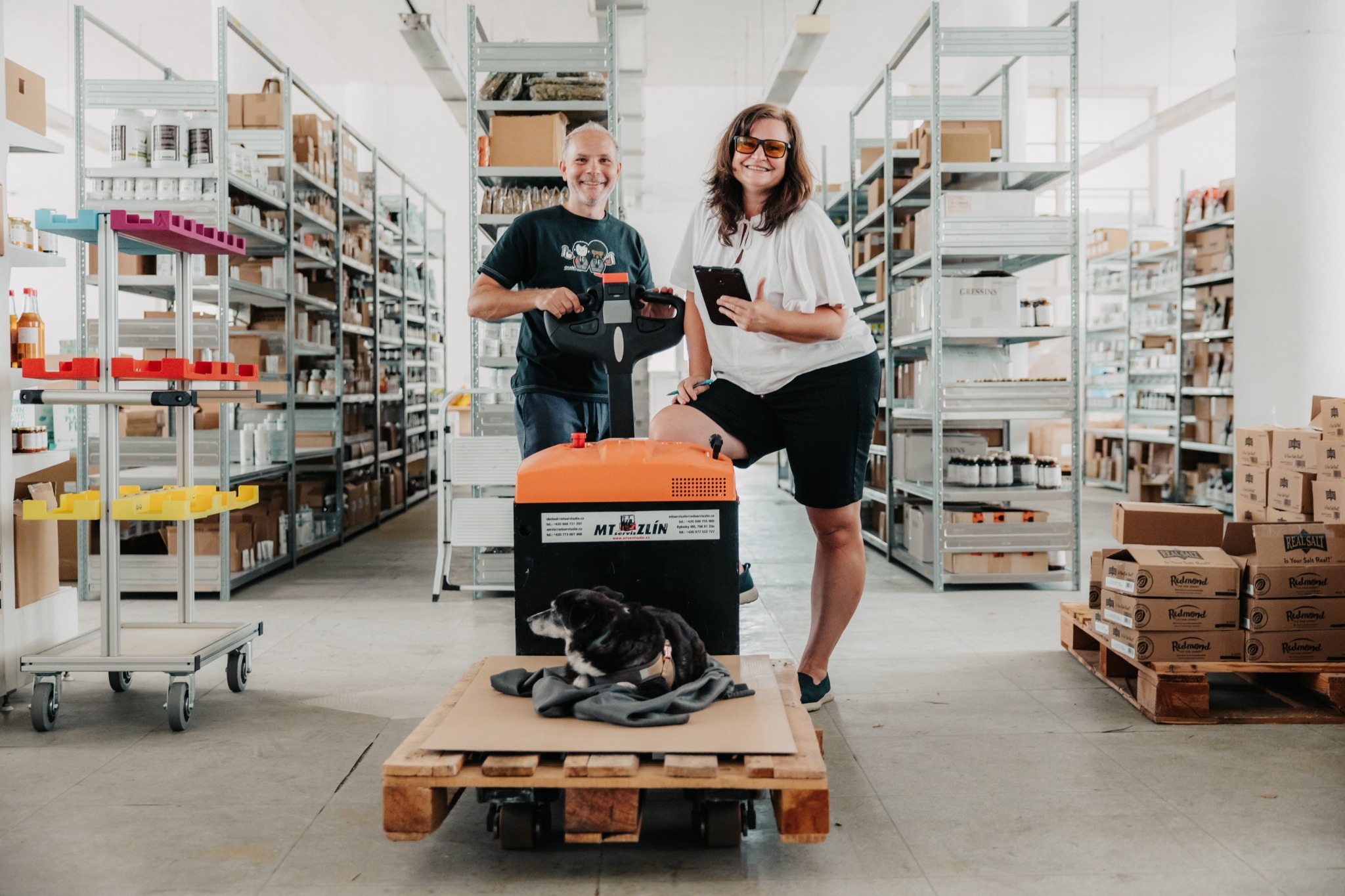
- From London shop to European distributor. We introduced NAHS to Pravé Bio after returning to Czechia. Today, Jana Čevelová and Jan Zaoral run its exclusive European distribution through Nuzboz s.r.o., importing directly from the brand in the USA.
- A direct line to the people who make it. The NAHS team supplies us with ingredient and manufacturing documentation. When customers need more detail, we ask the people who develop and manufacture the products.

Frequently asked questions
Are black seed oil and black cumin oil the same?
Both names can refer to oil pressed from Nigella sativa. This plant is distinct from cumin and caraway. The Latin name is the most reliable way to identify the ingredient when comparing oils.

How is the oregano & rosemary version different?
Black Seed Oil with oregano & rosemary adds two aromatic herbal oils to the black seed base. They change the flavour and aroma, and NAHS also uses them to help limit oxidation.
How much thymoquinone does a teaspoon contain?
Both bottle sizes declare 40 mg of naturally occurring thymoquinone in 5 g of oil, equivalent to 0.8% by weight. A higher percentage on another product may reflect a different extraction or concentration method, so compare the preparation and dose as well as the number.
Can gummies replace a teaspoon of black seed oil?
Not on a dose-for-dose basis. Two Black Seed Gummies declare 500 mg of a proprietary blend, while a teaspoon of this oil contains 5 g of black seed oil. The quantities and ingredients differ; those figures do not establish equivalent effects.
How long can I take black seed oil?
NAHS does not specify a universal course length or schedule of breaks. The dose count tells you how long the bottle lasts, rather than how long you should take it continuously. Discuss longer-term use with a doctor or pharmacist, particularly if you take medication.
What if I find the taste too strong?
We personally prefer the taste of Absorb-Max TQ. These emulsified drops with yacon syrup can be added to drinks. Alternatively, Black Seed oil capsules limit contact between the oil and your tongue.
Is black seed oil an essential oil, and should I dilute it?
This is a fatty oil pressed from seeds, rather than a distilled essential oil. It does not need diluting when taken according to its label.
Can I mix black seed oil into water?
Pressed oil will not dissolve in water. Stirring creates droplets that may separate again on the surface. Absorb-Max TQ is emulsified for use in drinks, among other applications.
How much should I take, and how long does a bottle last?
Follow the daily dose on your bottle. NAHS’s US page says one or more teaspoons a day. At one teaspoon a day, the label counts give approximately 48 days from 240 ml or 72 days from 355 ml. Each teaspoon is recorded as 5 g of oil on the label; grams and millilitres are not interchangeable.
Is it vegan and certified organic?
The oil is suitable for vegans. “Cold-pressed” describes extraction and “extra virgin” describes the oil; neither term establishes organic certification. We do not claim organic certification for this product without supporting documentation.
Can I take it with medication, during pregnancy or give it to a child?
Check with a doctor or pharmacist if you take medication, have a medical condition, are pregnant or breastfeeding. Do not calculate a child’s dose from adult directions or from quantities of seeds used as a spice. Do not take the oil if you are allergic to black seed.
Why are research findings not listed as health benefits?
Studies use different black seed preparations and doses. Findings for seeds, extracts or isolated thymoquinone cannot automatically establish benefits for this bottled oil. The linked papers explain composition, processing and quality; they are not promises of a treatment effect.
Why is the oil in a plastic bottle rather than glass?
The amber-brown PET bottle is light and resistant to breakage. That makes it easier to handle and transport from the USA, with less risk of shattered glass and spilled oil. The dark colour helps limit light exposure. Keep the bottle tightly closed and away from sunlight and heat: dark packaging cannot replace correct storage.
How should I store black seed oil after opening?
Keep it cool, tightly closed and away from sunlight and heat. Avoid leaving the bottle beside the hob or in a hot car. Replace the cap promptly after measuring your dose to limit exposure to air, and follow the storage instructions and best-before date on your pack.
Additional parameters
| Category: | Black seed (Black seed) |
|---|---|
| EAN: | 635824009160 |
| Product type: | Food supplement |
| Botanical name: | Nigella sativa (black seed, black cumin) |
| Seed origin: | Turkey |
| Manufactured in: | USA |
| Processing: | Cold-pressed, extra virgin oil |
| Ingredients: | 100% Nigella sativa seed oil |
| Thymoquinone content: | 40 mg per teaspoon (5 g of oil) |
| Packaging: | Amber-brown PET bottle |
| Manufacturer: | North American Herb & Spice, 13900 West Polo Trail Drive, Lake Forest, IL 60045, USA. https://www.northamericanherbandspice.com/ |
| Suitable for: | Vegan-Sugar Free-Gluten Free-Soy-Free-RAW |

Product rating
Leave a rating
List of ratings
 Monika
 Michaela Kubátová
Discussion
Be the first who will post an article to this item!
North American Herb and Spice has been the world's leading producer of high quality natural nutritional supplements since the 1990s. Their flagship product is oregano oil P73. NAHS is a pioneer in this regard and stands behind the use of wild oregano oil as an alternative to overuse of antibiotics.
The main pillar of the North American Herb and Spice brand is the philosophy that raw whole food nutrition is the key to maintaining optimal health. This brand was founded by Judy Kay Gray, MS to develop unique products from naturally potent ingredients. North American Herb and Spice sources the world's finest fruits, herbs and spices for its products, from the remote mountains of the Mediterranean to the valleys of the Amazon rainforest. The basis of their products is hand-picked wild spices. The end result is the purest and most potent extracts, made from the finest ingredients without pesticides, chemicals or solvents.
The power of nature is captured in all NAHS dietary supplements. You will get it to the max: full-spectrum, wholesome food with the genetic imprint that only nature provides. Based on extensive research, these ingredients are then combined to create the synergy and potency you need for optimal health.
The founder and owner, Ms. Judy Gray, achieved a Master's degree in Science and Nutrition. She is a master formulator and a strong advocate of traditional, sustainable practices. North American Herb and Spice was founded to provide everyone with unprecedented access to truly natural wild plant remedies.
Products backed by scientific research
At NAHS, they have conducted a number of groundbreaking studies on the potent effects and power of wild oregano oil P73. These studies have led to renewed interest in the antiseptic abilities of wild oregano oil as a natural alternative to antibiotics.
Raw materials from the purest nature
NAHS works with ordinary people who hand-pick the ingredients they need in remote corners of wild and unspoiled nature, whether from the high Mediterranean mountains, the Peruvian Amazon, the far north of wild Canada, the remote Siberian forests, or other places. Through this collaboration, NAHS not only sources the cleanest and most potent ingredients, but also supports natural villages and community infrastructure. Indigenous communities with donations, building schools and opening wells, as well as sending their highly effective natural supplements to those in need.


