
Soups, Broths & Bouillons
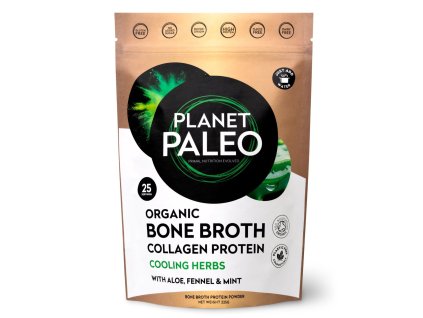
In the Soups, Broths and Bouillons category, you’ll find nutritionally rich ready-made soups in jars (such as laksa, dahl and soto katjang) and high-quality dried powdered stock with collagen (variants: Original, Herbs, Turmeric, Mushrooms). They’re a practical and healthier alternative to standard supermarket stock cubes, which often contain excess salt and flavour enhancers.
Ready-made soups simply need heating for a quick lunch. Dried stock can be stirred into hot water as a nourishing drink or used as a base for sauces. When choosing, check the allergens (such as peanuts, soya and gluten in specific recipes). Products with organic certification are clearly marked on the website and on the packaging, which guarantees ingredients from controlled organic farming.
Product sorting
Brands
Does not contain
Form
Key Feature
List of products
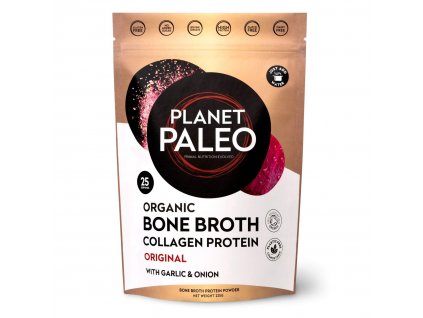
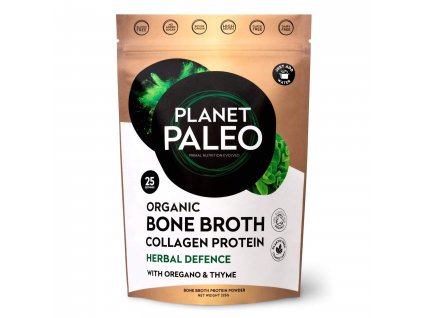
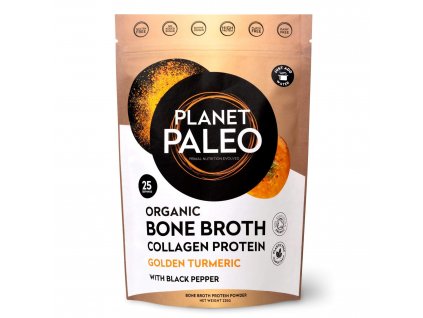
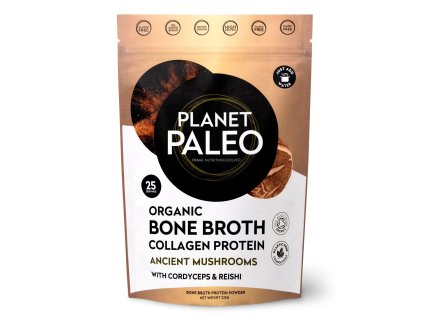

Yakso organic Soto peanut soup brings the creamy texture and authentic taste of...

Dahl is a classic Indian lentil soup – thicker, filling and gently spiced. Yakso makes...

Laksa is a classic Malaysian coconut red curry soup. Yakso makes it as a ready-to-heat...
Listing controls
Why is it worth taking care when choosing soups, bouillons and stock?
This category brings together two different types of product: ready-made soups in jars and dried powdered stock. They differ in how they’re prepared and in whether you’re looking for a ready-made meal or a base for cooking.
If you want quick cupboard staples (not just soups), take a look at the Ready Meals category too.
What will you find in this category?
- Ready-made soups in jars – for example laksa, soto katjang or lentil dahl.
- Dried powdered stock with collagen protein – in several flavour variants (such as original, herbs, turmeric and mushrooms).
- Items with organic certification (marked “Bio” on the website and on the packaging).
How should you choose a soup, bouillon or stock?
Start by choosing according to use: a ready-made soup suits you when you want a quick meal that only needs heating. Dried stock is more practical when you need a base for cooking or a hot broth in a mug.
Then check the ingredients and allergens – in Asian-style soups, for example, peanuts or soya may appear, while in other products gluten may matter. Once opened, always follow the instructions on the packaging for storage and use-by time.
Tips for use
- Ready-made soups in jars should be heated gently in a saucepan and stirred from time to time; do not bring them to a rapid boil.
- If you want a larger portion, add rice, noodles or vegetables; adjust the seasoning only at the end.
- Dried powdered stock should be stirred into hot water. Start with a smaller amount and adjust the flavour intensity to taste.
- You can also use the stock as a base for sauces, for basting during roasting, or with pulses and grains; the dosage is given on the packaging.
- Seal the pouch well after use so the mixture does not absorb moisture. For jars, once opened, follow the storage instructions and use-by time shown on the packaging.
FAQ
What is the difference between soup, bouillon and stock?
Soup is a ready-made dish intended for direct consumption. Stock and bouillon are usually used as a base for cooking or for seasoning.
In this category, you’ll mainly find ready-made soups in jars and dried powdered stock, which is measured according to the instructions on the packaging.

How do you prepare a ready-made soup in a jar?
In most cases, simply pour the soup into a saucepan and heat gently, stirring occasionally.
Always follow the manufacturer’s instructions on the packaging for the exact method (temperature, any dilution, heating time).
How do you prepare dried powdered stock?
Stir the stock into hot water. If lumps form, it helps to add it gradually while stirring, or to mix it first in a smaller amount of water and then top up.
The exact dosage and recommended method may vary by product – the instructions on the packaging are the point of reference.
Do the soups or stock contain allergens (such as peanuts, soya or gluten)?
Some recipes may contain allergens typical of Asian cuisine (such as peanuts or soya). In other products, gluten may be relevant.
Always rely on the ingredients and allergen list shown on the packaging of the specific item.
Are products in this category suitable for a diet without animal-derived ingredients?
It depends on the specific item. Some ready-made soups may be plant-based, but products based on bone broth are not part of a diet without animal-derived ingredients.
If that wording is not present, check the ingredients and allergens – do not rely on the name alone.
Are ready-made soups always spicy?
No. It depends on the recipe – some are milder, others are more strongly spiced.
Follow the product description and ingredients. If you’re sensitive to heat, start with a smaller portion and, if needed, soften it with a side such as rice or noodles.
How should soup in a jar be stored after opening?
Once opened, store it and use it according to the manufacturer’s instructions on the packaging.
The information on the packaging is always the point of reference (temperature, use-by time, any recommendation to transfer it).
What can dried powdered stock be used for in cooking?
Dried powdered stock works as a quick base in place of liquid stock or bouillon: for soups, sauces, risotto, braised dishes, pulses, grains and vegetable mixes. It also suits basting during roasting and adding flavour to roasting juices.
In most cases, you stir the powder into hot water and use the prepared stock in cooking. Start with a smaller amount and adjust the flavour gradually. Always follow the dosage and ingredients shown on the packaging.
More on collagen and how to choose a product can be found in the article Collagen: how to choose the right one.