
Granola & Crunchy Muesli
In our range we select granola and crunchy muesli with a short ingredient list, a focus on whole-grain ingredients, balanced sweetness and recipes without palm oil. We prioritise higher fibre and readable labels; selected items also come in bio and gluten-free options.
The difference between granola and muesli is that granola is baked (a binder such as honey/syrup + oil) forming clusters and typically has higher energy density, whereas muesli is an unbaked loose mix of flakes, nuts and fruit with a gentler texture. Compared with conventional cereals (extruded flakes/puffs), both are less industrially processed and the ingredients are easier to keep under control. Both can fit a weight-loss plan — the key is portion and context: granola 30–45 g, muesli 40–60 g, ideally with protein (yogurt/kefir) for longer satiety. In practice: with milk or yogurt, eaten dry as a snack on the go, or as a crunchy topping for yogurt.
Product sorting
Brands
List of products
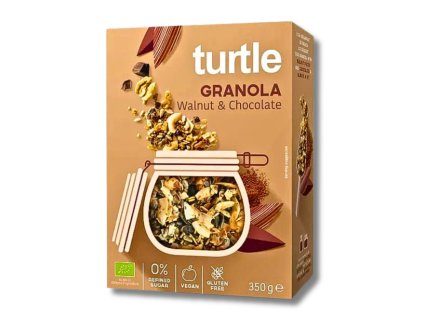

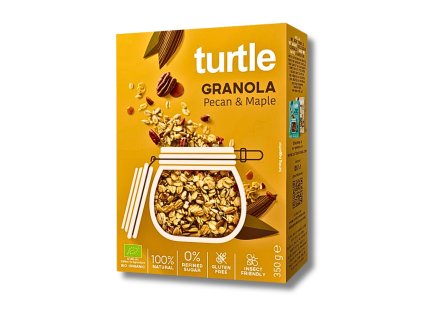
Reason for discount: Best before date approaching: 20/04/2026 Unopened granola retains...

Reason for discount: Best before date approaching: 21/04/2026 Unopened granola retains...


Listing controls
Why choose granola and crunchy muesli
Quality is defined by composition: less added sugar, more fibre and honest whole-grain cereals, nuts and seeds. We select mixes that make sense for everyday breakfasts without unnecessary additives.
We prioritise a short ingredient list, clear labels and balanced sweetness. We focus on a balanced ratio of carbohydrates, fibre and fats and often also on bio quality.
Benefits of granola & crunchy muesli
- Quick, practical breakfast with a source of fibre.
- Easy to add protein (yogurt, kefir) and healthy fats (nuts, seeds).
- Short ingredient list, often no palm oil and no unnecessary colourings or flavourings.
- Options also gluten-free, as declared by the manufacturer.
What you’ll find in this category
- Products with a short and transparent ingredient list.
- Emphasis on whole-grain ingredients and balanced sweetness.
- Formulas often without palm oil and with higher fibre.
- Selected variants in bio quality and gluten-free.
How we select products
We monitor the share of whole grains, sugar per 100 g and clearly stated allergens. We prefer transparent recipes without unnecessary flavourings or colourings.
Tips for maximum benefit
- Choose mixes with higher fibre (practical target ≥ 6 g/100 g) and lower sugars.
- For longer satiety add protein (yogurt, kefir) and a handful of nuts or seeds.
- Keep portions around 40–60 g and adjust to your daily activity.
Want to learn more? Read our blog post: Healthy & Tasty Cereals.