Autumn Clean-Up: Eco-Friendly Ways to Reset Your Space and Your Mind
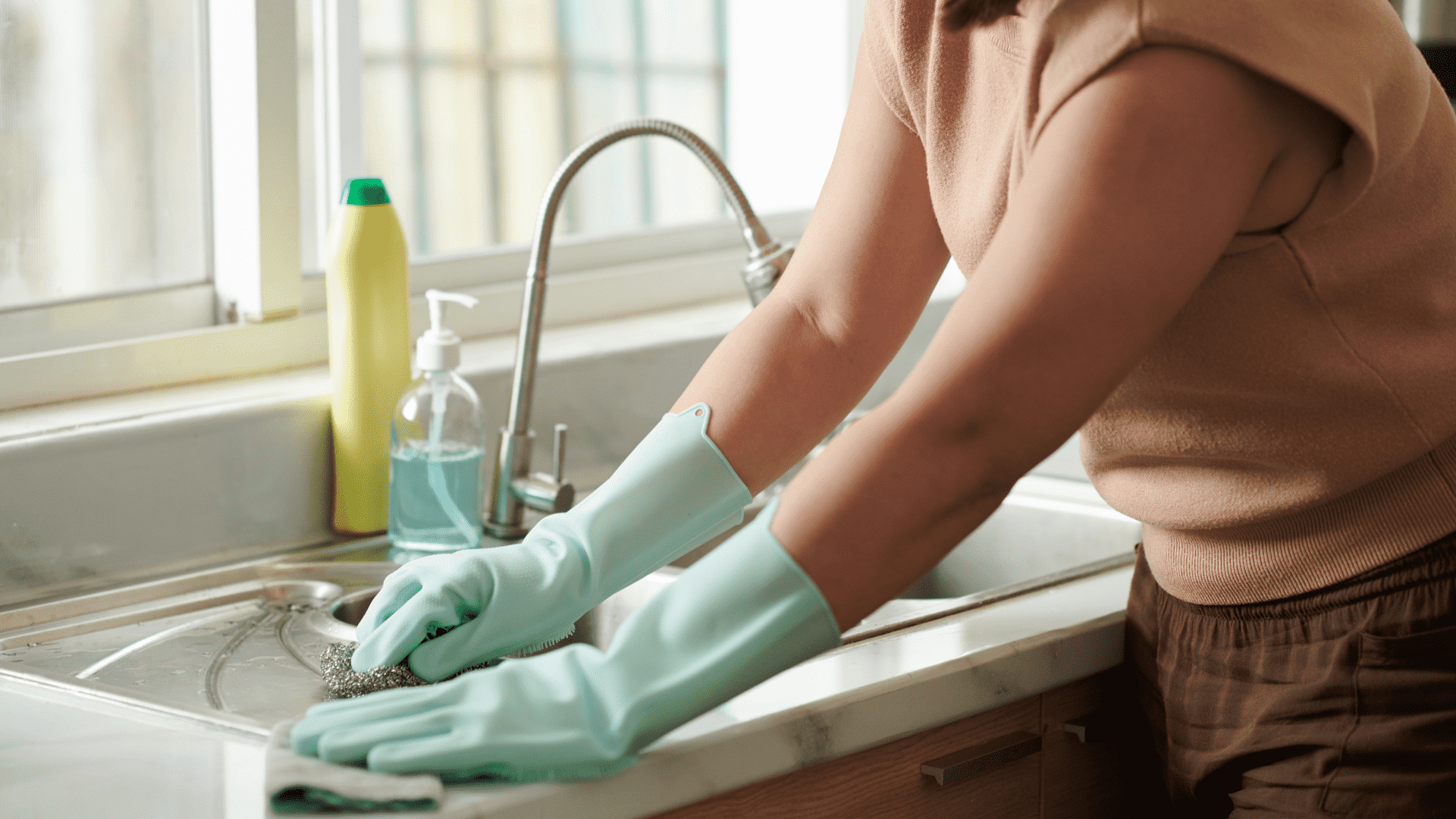
Autumn cleaning isn’t just about sweeping up leaves and mopping the floors. It’s the time of year when, much like nature, we slow down, close the chapter on summer and ease into a calmer rhythm. If we approach it eco-consciously and in the spirit of zero waste, it can offer more than just a clean home.
Article contents
Why is autumn cleaning worth doing?
Autumn cleaning isn’t only about appearances – regular cleaning helps things last longer, reduces dust and helps minimise the risk of mould. Especially before the heating season, it’s a good idea to give radiators, windows and textiles a thorough clean, which may help reduce the build-up of airborne irritants at home.
But autumn cleaning can also be seen from a different angle:
- Feng shui – by removing clutter and things we no longer need, we create space for new energy. A clean home supports calm, harmony and a better atmosphere.
- Alternative approaches – autumn is traditionally linked with cleansing the body and the space. Some people use herbs or smoke cleansing to refresh the energy of the home.
- Religious meaning – in many cultures, autumn is a season of reflection, modesty and gratitude. Cleansing the home can also be a form of inner preparation for the holidays ahead.
How to get ready for autumn cleaning
To keep seasonal cleaning effective (and stop it from becoming overwhelming), it helps to plan it in advance. With the right preparation, you’ll get more done, with less stress, and with better results.
Tips to make cleaning easier:
- Write a list – what will you need for cleaning? Check what you already have at home and what needs topping up.
- Set aside time – break cleaning down by rooms and tasks. Ideally, tackle one or two rooms a day. Work logically: hallway, living room, bathroom, kitchen, bedrooms, balcony or terrace.
- Wash net curtains and curtains in a coordinated way – so dust from other rooms doesn’t end up on freshly washed fabrics.
- Check the weather forecast – clean textiles dry better and you’ll be able to air the home properly on a dry day. It also helps prevent damp lingering indoors.
- Cleaning clothes – choose comfortable items you won’t mind getting dirty.
- Music for cleaning – the right playlist gives you a boost and helps everything go quicker.
- Prep food in advance – you’ll save time, stress and energy.
- Don’t forget to drink – it’s easy to forget fluids while cleaning, which can leave you tired and dehydrated.
- After cleaning, treat your hands – and yourself.
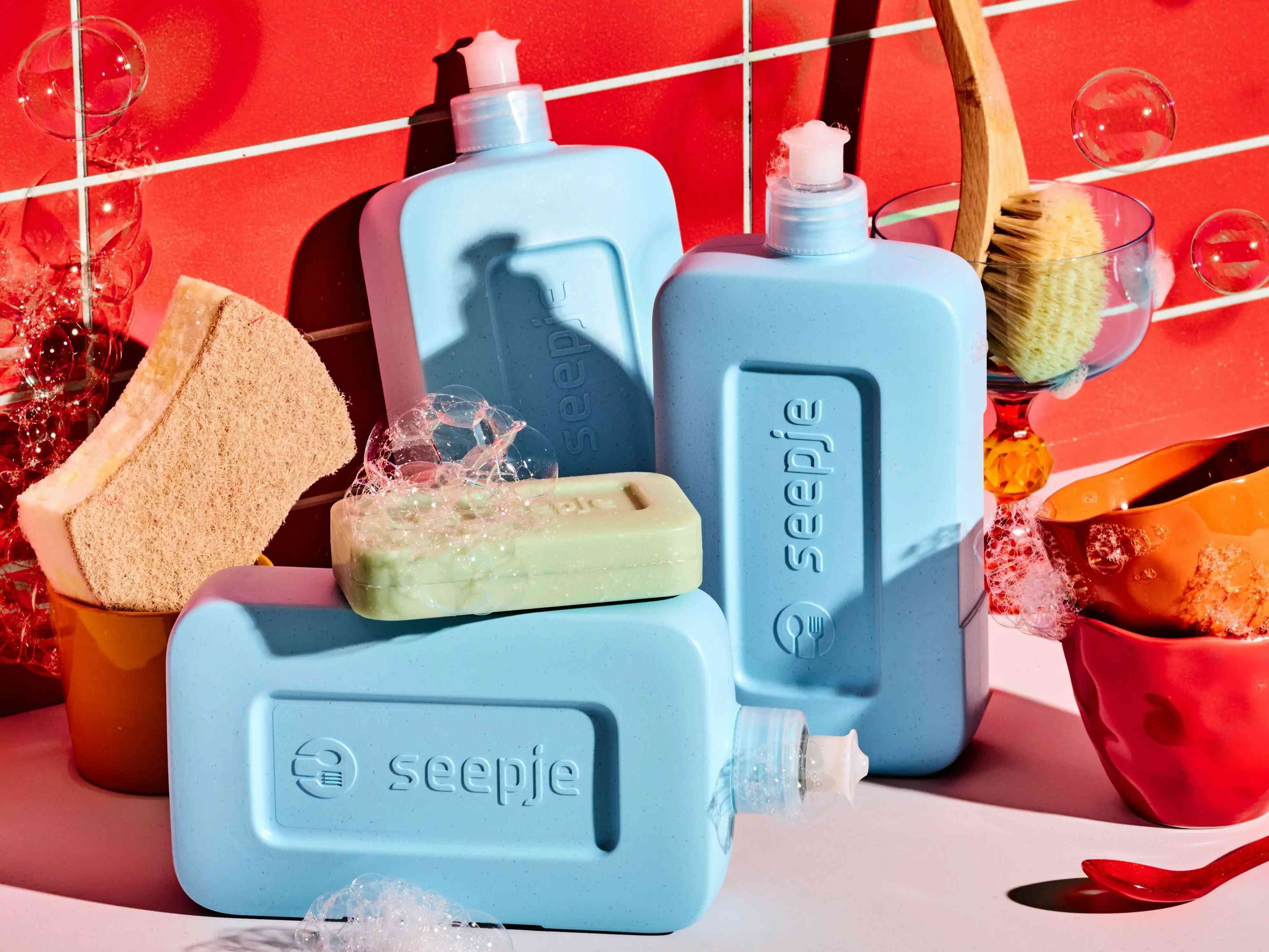
Mum tip from PravéBio: make cleaning more enjoyable with smart eco household products from Soaply and The Green Lab Co. No breathing in harsh fumes; enjoy beautifully designed bottles that suit your interior, or have a bit of fun with fizzy tablets.
Practical tips for eco and zero-waste cleaning
Natural cleaning products
Try cleaning products such as vinegar, bicarbonate of soda, citric acid or soap nuts. They’re gentler on nature, your wallet and your everyday routine.
If that approach feels a bit too “crunchy” for you, go for ready-made eco cleaners, which are also suitable for homes with children or pets.
Our pick? Among the pioneers of eco and zero-waste are definitely Soaply and The Green Lab Co.
Kitchen cleaning
- Dishwashing liquid – Lime by Soaply
- Kitchen cleaner in tablets – Eucalyptus by The Green Lab Co.
- Hob and ceramic hob cleaner by Almawin
Bathroom and toilet cleaning
- Bathroom cleaner in tablets – Lavender by The Green Lab Co.
Glass and textiles
- Glass cleaner in tablets – Mint by The Green Lab Co.
- Universal laundry gel with jasmine scent by Soaply
One universal product for every surface? Absolutely.
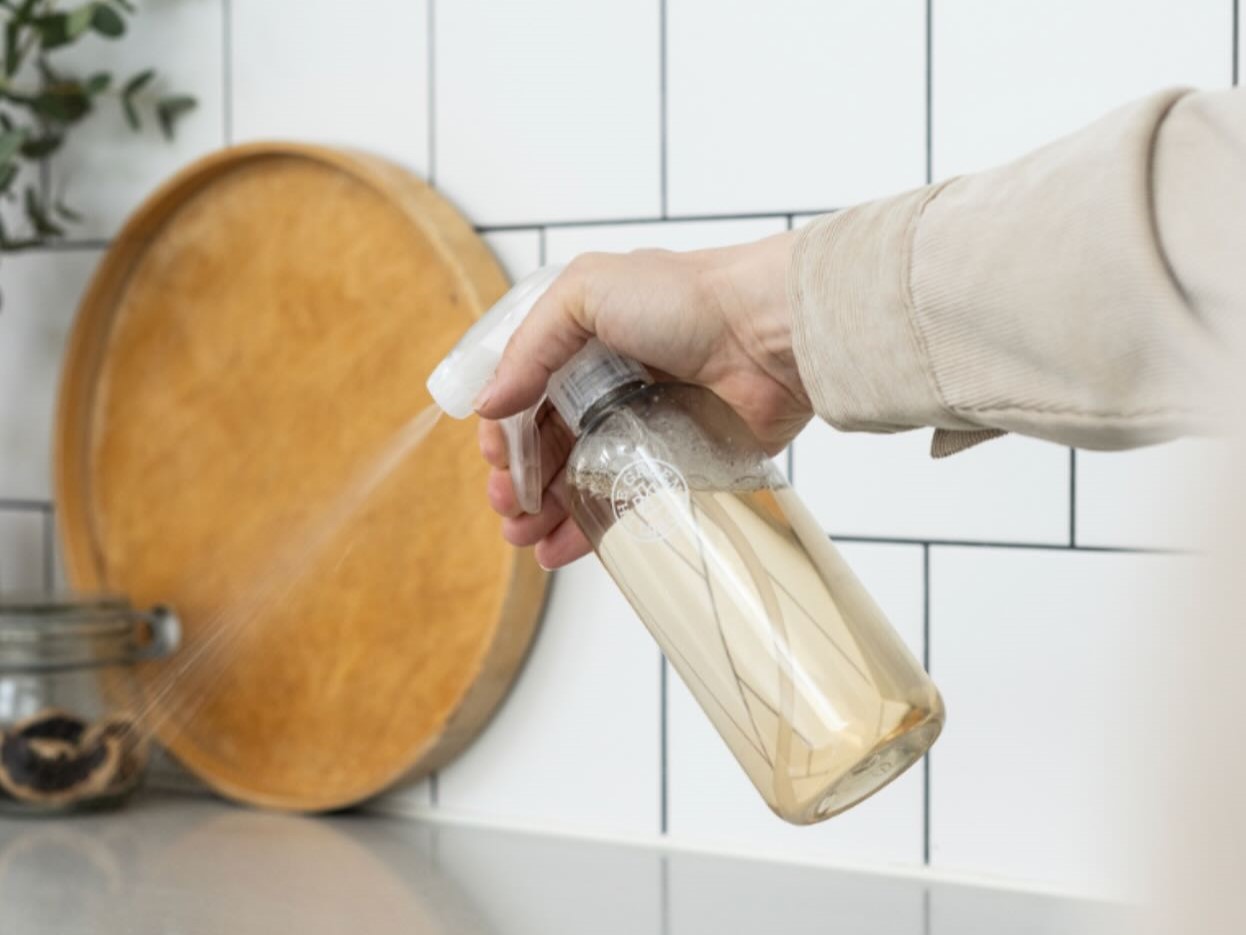
With the starter set of the multi-purpose cleaner – Bergamot by The Green Lab Co. you can comfortably clean the floor, kitchen worktops and the bathroom.
Reducing waste
Forget single-use paper towels – replace them with cloths that can be washed and reused.
Tip: Repurpose old cotton clothing .
Reducing waste also applies to the things around us. Consider whether items you haven’t used for 365 days are simply taking up your space and energy. Are they objects you don’t use and that no longer have value for you? Then:
- donate them,
- swap them,
- or recycle them.
Natural home fragrance
Instead of chemical air fresheners, use essential oils in a diffuser, natural scented candles or homemade potpourri made from citrus peels and cinnamon.
- Recipe for simple potpourri:
Dry orange and lemon peels, add cinnamon, cloves and a few drops of essential oil. The result? A pleasant, natural scent without unnecessary chemicals.
Seasonal textile refresh
Wash curtains, duvets and covers using natural laundry products. Eco laundry gels contain plant-based enzymes and are biodegradable.
Have you heard of washing with magnesium? Take a look at our clever find: eco magnesium-based laundry product – TerraWash+Mg by MK Enterprise Inc.
Don’t forget to store away out-of-season clothes and shoes. You’ll free up space for autumn and winter pieces and save time when getting dressed.
To make the atmosphere more pleasant, light a candle made from natural materials, put on your favourite music and cleaning can quickly feel like a cleansing ritual. Every freshly cleaned corner of your home is a chance to let go not only of old things, but also of thoughts that no longer serve you.
What can autumn cleaning bring you?
- A healthier-feeling environment with fewer harsh chemicals and unnecessary substances.
- Saving money thanks to longer-lasting items and lower product consumption.
- A sense of lightness and renewed energy you’ll appreciate especially in winter.
Autumn cleaning doesn’t have to be just another chore. If you approach it eco-consciously, mindfully and with respect for nature, it becomes a clearing-out process – not only for your home, but for your mind as well. Try natural cleaning products, give zero-waste tools a chance, and rediscover the satisfaction of a clean space. Your home – and the planet – will thank you.
How to choose the right eco label?
| The Green Lab Co. universal cleaning tablets Bergamot |
Frosch All-Purpose Cleaner Neutral |
Tierra Verde All-purpose surface cleaner |
|
|---|---|---|---|
|
Surfactants (surface-active agents) |
✅️ | ✅️ | ✅️ |
| What they are: They reduce the surface tension of water → allowing water to reach grime, grease and dust and “lift” it from the surface. | coconut-oil-derived surfactants | a blend of soap + anionic, amphoteric and non-ionic | natural (saponins) + 1 plant-based non-ionic |
| Acids/chelators | ✅️ | ✅️ | ✅️ |
|
What they are: They help regulate the product’s pH and dissolve certain types of dirt. Acidic ingredients target limescale; alkaline ones help with grease. |
citric acid, soda, citrate | none significant | EDDS (eco chelator) |
| Solvents | ❌️ | ❌️ | ✅️ |
|
What they are: They dissolve grease, grime and pigments and make degreasing easier. For heavy grease, kitchen stains and hygiene uses (alcohol-based disinfection). |
|
||
| Stabilisers | ✅️ | ❌️ | ✅️ |
| What they are: They keep the mixture stable, prevent separation and adjust viscosity. So the product has a consistent texture, is easy to dose, and doesn’t foam “too little” or “too much”. | phosphate, ceteareth, citrate | xanthan gum | |
| Caring ingredients | ✅️ | ❌️ | ❌️ |
| What they are: They make the formula milder and reduce the chance of irritation. So cleaning products feel more pleasant to use, especially when used without gloves. | aloe vera, argan oil | ||
| Preservatives | ❌️ | ✅️ | ✅️ |
| What they are: They protect against the growth of bacteria, mould and yeasts. Without them, products (especially water-based ones) would ferment or go mouldy quickly. | isothiazolinones (may trigger allergic reactions) | sodium benzoate | |
| Fragrances | ✅️ | ✅️ | ✅️ |
| What they are:They add a scent that creates a “clean” feel. Some (citrus oils) can also contribute to cleaning performance. | limonene, fragrance | fragrance, colourants | orange essential oil, d-limonene |
Ingredients from a “health” and non-toxic perspective
| Soaply – Jasmine | Sonett Sensitive | AlmaWin Universal | Tierra Verde | Frosch | |
|---|---|---|---|---|---|
| Laureth-7 (ethoxylate) | ✅️ | ❌️ | ❌️ | ❌️ | ❌️ |
| What it is: a non-ionic surfactant, milder than SLS. It improves washing performance at lower temperatures and helps prevent excessive foaming (useful for modern washing machines). | Soaply uses Laureth-7, which is clean and plant-derived, but it includes an ethoxylated component, which raises concerns in some non-toxic communities. | ||||
| SLS (Sodium Lauryl Sulfate) | ✅️ | ✅️ | ❌️ | ❌️ | ❌️ |
| What it is: a strong cleansing surfactant that can irritate skin at higher concentrations. In natural household products it’s used only in low amounts and paired with gentler ingredients that soften its effect. | In Soaply it’s combined with glycerine and betaine = lower irritation potential. | In Sonett it’s blended with soap and sugar surfactants. | AlmaWin is sulfate-free. | ||
| Preservatives | ✅️ | ✅️ |
✅️ |
✅️ |
✅️ |
| What they are: preservatives prevent microorganisms from growing. Soaply and Sonett use natural alcohol (ethanol); AlmaWin adds lactic acid to stabilise pH – these are widely used and generally considered low concern. | Alcohol (plant-derived), denaturant | Alcohol |
Ethanol, lactic acid |
sodium benzoate |
sodium benzoate |
| Soap (natural cleanser) | Potassium oleate + soap nut extract | Potassium soap from organic oils | Soap from coconut/plant oils | soapnut extract, olive soap powder | ❌️ |
| What it is: a traditional ingredient in eco products; it works as a natural degreaser. Soap can raise pH, but on its own it isn’t typically classed as highly irritating. | Soaply uses soap and saponins from nuts. | Sonett lists soap as its main cleaning agent. | AlmaWin relies on soap, but without sulfates. | ||
| Enzymes (protease, amylase…) | ✅️ (6 types) | ❌️ | ❌️ | ❌️ | |
| What they are:natural proteins that break down stains – blood, starch, fat, fruit. After rinsing, only a negligible amount remains in the fibres. They may be problematic for severe eczema or for people with enzyme sensitivity. | Soaply works at 20 °C, great for children’s stains. | ||||
| Fragrance and allergens | Jasmine, linalool, eugenol <0.01% | Fragrance-free | Lavender, linalool <0.01% | Orange essential oil (d-limonene) | Light fragrance or fragrance-free |
| What that means: all of these are naturally occurring components of essential oils and are common in organic cosmetics too. For sensitive people they can trigger allergies, but in laundry gels the residual concentration after rinsing is typically well below limits. | Soaply contains fragrance – patch-test if you have eczema. | Sonett Sensitive is fragrance-free | AlmaWin contains lavender | ||
| pH of concentrate | 7–8 | 8.5–9.5 | ~9 | Not stated | 5.5 |
| What that means: pH affects how alkaline a product is. Human skin has a pH of 5.5. | Soaply is closer to neutral pH – gentler | Sonett has a higher pH – for sensitive skin it may feel slightly drying. | More on the alkaline side | pH-neutral cleaner |
Did you find the article useful? Share it with your friends using the button below. If you don’t want to miss future updates, subscribe to our news and follow us on social media.
Under EU regulations, a blog cannot link directly to web pages that promote a specific product. You can, of course, find the products on our website Pravé Bio.
Sources
- The Green Lab Co. official website. Online. Available here.
- Soaply official website. Online. Available here.
ŠárkaShe has devoted her education and professional life to the world of gastronomy and nutrition. After studying hospitality and human nutrition, she completed her training as a nutritional therapist, giving her a holistic view of the connection between food and wellbeing.
Today, she uses this knowledge primarily in caring for her children.
She embraces challenges and opportunities, believes in new beginnings, and values a sustainable lifestyle. Outside of her profession, she enjoys gardening, hiking and, above all, her family – which remains her greatest anchor in life.