Boosting Kids’ Immunity for School and Preschool: How to Prevent Frequent Illnesses Naturally
Starting nursery or school is a real test for a child’s immune system. A new environment, close contact with dozens of children and a change in daily routine often leads to frequent illnesses – especially in the autumn and winter months. The good news is that immunity can be supported naturally and gently.
Take a look with us at how the immune system works, what a CRP test is used for, when antibiotics are appropriate, and which measures and natural ingredients can help support the immune system.

Article contents
How does the body defend itself against illness?
A child’s immune system is constantly at work – every day it encounters bacteria, viruses and other microorganisms. Illness develops when the body’s defence mechanisms are not enough to stop a pathogen.
The first barrier is the skin and the mucous membranes, which act as a shield against external influences. If that barrier is breached, white blood cells and the “army” of innate immunity step in – responding immediately and non-specifically. This type of immunity is present from birth. It tries to stop any pathogen as soon as it enters the body. Thanks to innate immunity, the body deals with most common infections without us noticing at all. The drawback is that it doesn’t remember specific pathogens, so with repeated exposure it starts from scratch every time.
Acquired immunity develops gradually – it learns to recognise specific invaders and creates immune memory for future encounters. Next time, it can respond much faster and more effectively. A typical example is chickenpox – most people catch it only once because the immune system remembers the virus.
There are illnesses against which the body does not develop long-term protection. A classic example is the common cold caused by many different viruses – because there are hundreds of types, having one infection does not protect you from the next. The influenza virus also changes over time.
What is CRP and what is it used for?
CRP stands for C-reactive protein – a substance produced by the liver when there is inflammation in the body.
- When a bacterium enters the body, CRP levels rise quickly – sometimes above 100 mg/L.
- With a viral infection, CRP is usually only slightly elevated (e.g. 10–40 mg/L).
Working out whether it is more likely a bacterial infection (higher CRP) or a viral infection is important before giving antibiotics. Antibiotics work only against bacteria, not viruses.
Sometimes antibiotics are added during a viral illness – when the virus is followed by a so-called secondary bacterial infection. A viral infection can weaken protective barriers (for example the lining of the airways), making it easier for bacteria to get into the body. This often happens in children after flu, when otitis media (middle ear infection), pneumonia or tonsillitis can develop.
What is the incubation period and why does it matter?
The incubation period is the time between the moment a child is infected and when the first symptoms appear. During this time, viruses or bacteria are multiplying in the body, but the illness is not yet visible.
Incubation periods by infection
- flu: usually 1–3 days
- chickenpox: up to 2–3 weeks
- the common cold: often only 12–48 hours
Why is the incubation period important?
- From an epidemiology perspective: a child may already be infectious to others, even if they don’t look unwell yet.
- For diagnosis: knowing the incubation period helps a doctor narrow down which illness it might be (for example, with chickenpox we know symptoms often appear only after 2–3 weeks).
- For prevention: parents can monitor a child who has been in contact with someone ill and spot early signs of illness sooner.
The most common illnesses in children in group settings
- Runny nose and colds – caused mainly by viruses (rhinoviruses, adenoviruses).
- Upper respiratory infections – typically cough and a sore throat.
- Flu – seasonal outbreaks, sudden onset of fever and fatigue.
- Middle ear infection – often follows a cold.
- Stomach bugs – most commonly rotavirus and norovirus.
- Childhood infectious diseases – for example scarlet fever or chickenpox (if the child hasn’t had it yet).
Young children can be ill 6–8 times a year, which is completely normal when they start mixing with other children. The goal isn’t to prevent infections entirely, but to ease their course and shorten the illness.
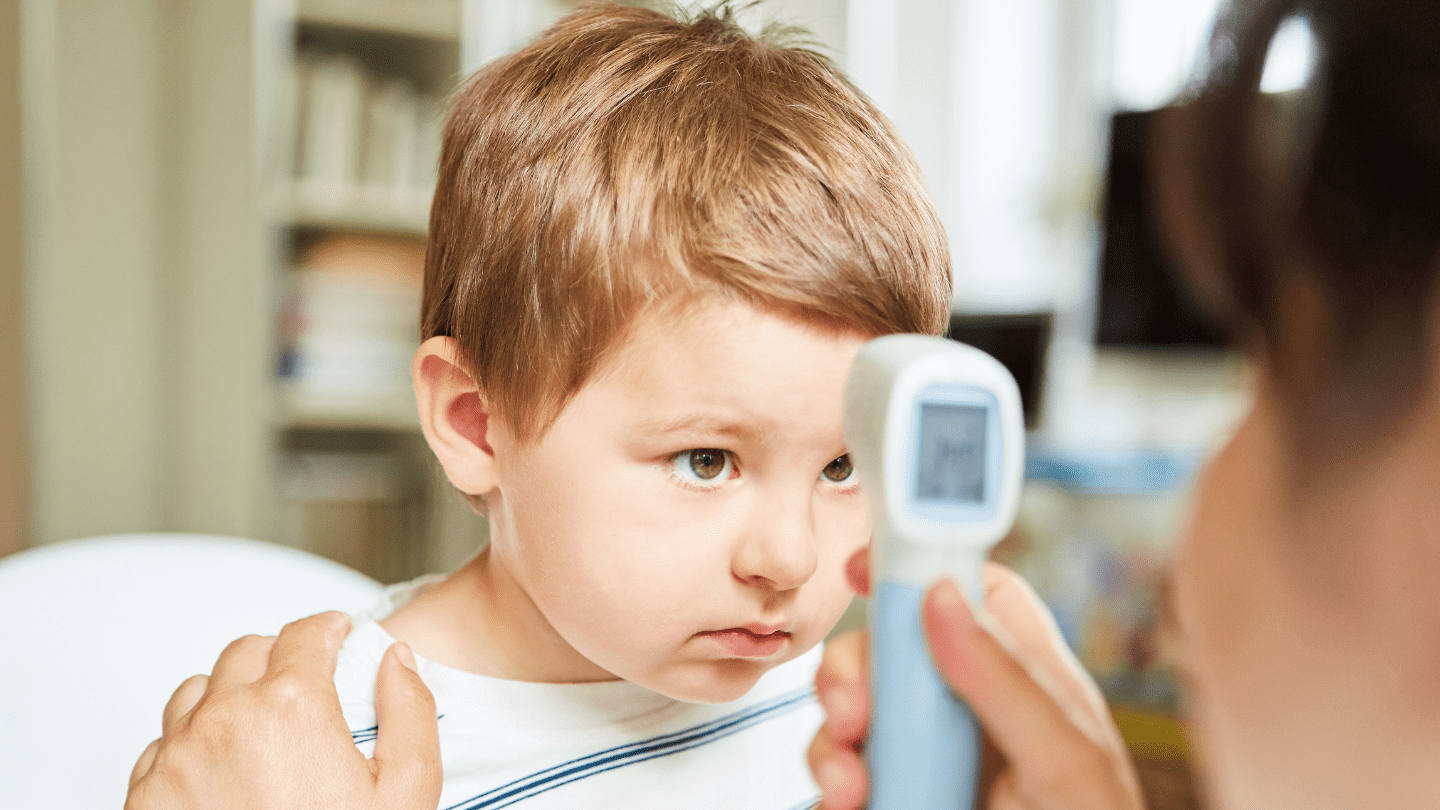
How can you support a child’s immune system naturally?
Lifestyle measures
- Enough sleep – children under 6 need 10–12 hours of quality sleep a day.
- A balanced diet – rich in vitamins, minerals and protein.
- Time outdoors – fresh air and natural movement support the body’s natural defences.
- Hygiene – regular handwashing, a tissue instead of a sleeve, and a personal drinks bottle.
- Getting used to cooler temperatures – sleeping in a cooler room (around 18–20 °C), lukewarm showers.
- Less stress – emotional wellbeing also affects the immune system.
Skin and mucous membrane care
- Skin hydration, protection against dryness and gentle cleansing help support its protective function.
- Mucous membranes produce mucus and contain immunoglobulins (IgA) that help neutralise pathogens. If they become dry or irritated, their natural resilience decreases. Encourage regular fluids (ideally water or unsweetened tea).
- Nasal hygiene
- The first filter for airborne viruses and bacteria is the nasal cavity.
- Regular rinsing with a saline solution (e.g. sea water) can help remove allergens, dust and microbes. It maintains optimal moisture, supporting the function of cilia and the nose’s natural self-cleaning.
Try the non-habit-forming Natural Nasal Spray – SinuOREGA from North American Herb and Spice, or the Propolis Nasal Spray (5%) from BEE&YOU.
Natural substances and supplements to support the immune system
Vitamin C (ascorbic acid)
- Role: An antioxidant; involved in collagen synthesis, which is part of healthy skin and mucous membranes.
- Sources: citrus fruit, berries, rosehips, peppers, broccoli.
Vitamin C Complex – BeerenKönig by Naturtreu is a food supplement in capsule form containing vitamin C from natural sources such as acerola, camu camu and rosehip, topped up with vitamin C as calcium ascorbate. This complex provides forms of vitamin C that are released gradually and are often better tolerated by people with a sensitive stomach.
Vitamin D (cholecalciferol)
- Role: Involved in the regulation of genes linked to immune cell function and the production of antimicrobial peptides.
- Sources: sunlight, fish oil, fortified foods, food supplements.
Vitamin K2 (menaquinone)
- Role: Involved in calcium metabolism and the function of proteins in the body.
- Sources: fermented foods (natto, cheeses), meat, egg yolk.
Try the combination Liquid Vitamin D3 + K2 – 1000 I.U. from Woldohealth, which brings together vitamin D3 and vitamin K2 (MK-7 — K2VITAL®DELTA) dissolved in coconut MCT oil. One drop provides 25 µg (1000 IU) of D3 and 20 µg of K2 — a highly bioavailable form. The pack includes a medical-grade pipette for precise dosing. The product contains no colourings, flavourings, stabilisers, gluten, lactose or gelatine, and is suitable for vegetarians. It is packaged in a protective amber bottle to help maintain long-term vitamin stability.
Zinc
- Role: A mineral essential for the development and activity of certain immune cells and enzymes.
- Sources: pumpkin seeds, meat, legumes.
Beta-glucans
- Role: Polysaccharides, for example from mushrooms and yeast, studied for their influence on the function of macrophages, dendritic cells and NK cells.
- Sources: oyster mushrooms, yeast, rolled oats.
Probiotics
- Role: Live microorganisms (e.g. Lactobacillus, Bifidobacterium) help maintain a balanced gut microbiome, which is important for digestion and cellular processes.
- Sources: kefir, yoghurt, sauerkraut, probiotic supplements.
Pravé Bio mums’ tip - Fermented Symbiotics – Family from Living Nutrition is a family favourite.

Omega-3 fatty acids (EPA, DHA, ALA)
- Role: Support normal cell function and take part in processes linked to the regulation of inflammatory responses.
- Sources: fish oil, linseed, chia seeds, walnuts, algae.
Make Ultimate Omega – Calanus® zooplankton oil by NoordCode part of your family’s everyday routine.
You can read more about omega-3 fatty acids and their role in the body in our article Omega-3 and omega-6: The balance of fats that affects health.
Echinacea (purple coneflower)
- Role: Contains alkamides, polysaccharides and flavonoids; traditionally researched in food supplements.
- Forms: teas, syrups, tinctures.
Try the herbal Black Elderberry & Echinacea tincture from Botanicals For Life. There’s no need to worry about alcohol – Botanicals For Life uses triple extraction, and the result is alcohol-free. Naturally, there are no added sugars, and products are laboratory-tested for heavy metals, allergens, pathogens, yeast, mould, mycotoxins and pesticides.
Elderberry (Sambucus nigra)
- Role: The berries contain anthocyanins, flavonoids and vitamins C and A. In food supplements, elderberry is traditionally used as part of a healthy lifestyle.
- Forms: syrups, teas, dried fruit.
Add to your home medicine cabinet from the children’s range by North American Herb and Spice Elderberry drops.
Medicinal mushrooms
- Role: Contain polysaccharides (β-glucans), terpenoids and polyphenols. These substances are researched for their influence on cellular processes and antioxidant activity.
- Examples:
- Reishi (Ganoderma lucidum) – polysaccharides and triterpenes; traditionally used in food supplements.
- Shiitake – lentinan polysaccharide, researched for its influence on cellular functions.
- Maitake – polysaccharides, including beta-glucans, researched in the area of cellular immunity.
- Cordyceps – contains adenosine and other substances; traditionally used in food supplements to support vitality.
- Chaga – rich in polyphenols and antioxidants; used in food supplements.
Try mushrooms from Mushrooms For Life.
Medicinal mushrooms have been used for centuries in traditional cultures, where they gained a reputation as “fortifying foods”. In the European Union, however, there are still no approved health claims that would confirm these effects.
Oregano (Origanum vulgare)
- Role: Contains carvacrol and thymol, which show antimicrobial effects in vitro.1
- Forms: tea, essential oil (diluted), food supplements.
Offer your children Oregano & Black Seed gummies from North American Herb and Spice.
Bee products
Bee products are one of nature’s most remarkable creations. Try the premium range by BEE&YOU.
- For extra support during tougher periods:
- propolis is rich in flavonoids, phenolic acids and terpenes – natural compounds appreciated for their antioxidant properties.
- royal jelly contains proteins, B vitamins, trace elements and the unique fatty acid 10-HDA (10-hydroxy-2-decenoic acid), often discussed in connection with vitality and immune function.
Children’s syrup with propolis and raw honey (BEE&YOU) - a children’s syrup with a simple ingredient list: propolis, raw honey and 100% natural orange juice. It contains no artificial sweeteners, preservatives or common allergens such as gluten, soya or dairy. That makes it suitable even for young children from 1 year of age. The syrup has a gentle, pleasantly sweet taste that fits easily into everyday family life. Naturally present vitamin C from orange juice contributes to the normal function of the immune system and to the protection of cells from oxidative stress.
- For longer-term nourishment:
- perga (bee bread) is created by fermenting pollen and, besides vitamins A, E and K, contains enzymes and lactic acid, which are valued for supporting a balanced gut microbiome,
- pollen is rich in protein, essential amino acids, B vitamins and minerals such as zinc and selenium.
Dried bee pollen – whole granules (BEE&YOU) - Gently dried bee pollen granules, produced with care to help preserve quality — appropriate storage supports the activity of beneficial substances. It contains vitamins, minerals and amino acids – all important components for a balanced diet.
- For a gentle, supportive touch:
- honey - is a natural source of energy and contains antioxidants, flavonoids and enzymes, which contribute to the protection of cells from oxidative stress and support overall vitality.
You can read more in our article Propolis, perga and royal jelly: Bee treasures from Anatolia by BEE&YOU.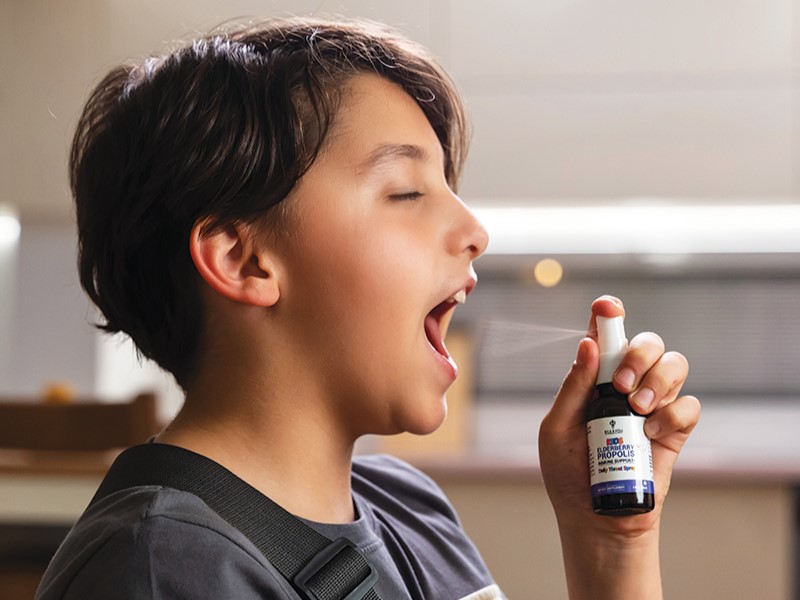
Choose great combinations of the best ingredients
- Kids’ shot with elderberry, propolis and vitamin C (BEE&YOU) - a handy format with a delicious combination of natural ingredients. Contains vitamin C, which contributes to the normal function of the immune system.
- Pravé Bio mums’ tip: If your child doesn’t like the more tangy flavour, simply dilute the shot with tea, you can add honey, or mix it into a favourite homemade milkshake.
- Propolis throat spray with elderberry, strawberries and vitamin C (BEE&YOU) - a simple-to-use spray with natural ingredients such as elderberry, propolis and vitamin C, in a convenient format for quick use — ideal for your bag or for travel. Contains vitamin C, which contributes to the normal function of the immune system.
- Propolis extract (30%) with vitamins D3 and K2 (BEE&YOU) - Thanks to its 100% natural composition – with no artificial preservatives, colourings or refined sugar – it is suitable for everyday use. Vitamin D3 contributes to the normal function of the immune system and helps maintain normal bones and muscle function. Vitamin K2 contributes to normal blood clotting and supports normal bones.
- The extract comes as drops; it’s easy to dose and can be taken directly or added to favourite foods such as yoghurt or honey.
- Liquid multivitamin – Immune 5 (North American Herb and Spice)- This liquid multivitamin combines black seed oil, camu camu berries, cinnamon, elderberry and other raw ingredients in a practical format without gluten, sugar, lactose or soya (also suitable for vegans). It is enriched with liquid zinc (zinc sulphate) and raw honey, while maintaining a natural, clean ingredient profile.
Practical tips for parents
- Start supporting the immune system in advance.
- Include fermented foods in the diet.
- In the colder months, pay attention to sufficient vitamin D intake.
- Do not give children antibiotics “just in case” without consulting a doctor.
A child’s immunity is best supported by a combination of a healthy lifestyle, a balanced diet and time outdoors. Natural substances and herbs can have their place, but they are not a substitute for a varied diet and rest. Over time, children develop a strong defence system that helps them handle nursery and school challenges without constant sick days.
Food supplements are not intended as a substitute for a varied diet. Do not exceed the recommended daily dose. We, as a retailer, are not qualified to provide health advice. If you are unsure about suitability or dosing, consult your doctor, pharmacist, naturopath, holistic physician, GP, or another qualified professional in the field of nutrition.
Did you find this article useful? Share it with your friends using the button below. If you don’t want to miss future updates, subscribe to our newsletter and follow us on social media.
Under EU regulations, our blog cannot link directly to pages with promoted products. You can, of course, find the products on our website Pravé Bio.
Sources
1. Chemical Composition, and Antioxidant and Antimicrobial Activity of Oregano Essential Oil. 2024. Molecules. PubMed. (Online). Available here.
ŠárkaShe devoted her education and professional life to the world of gastronomy and nutrition. After studying hospitality and human nutrition, she completed her training with a qualification as a nutrition therapist, which gave her a holistic perspective on how food and health are connected.
Today, she applies this knowledge mainly in caring for her children.
She welcomes challenges and opportunities, believes in new beginnings and values a sustainable lifestyle. Outside of work, she enjoys gardening, hiking and, above all, time with her family, which remains her greatest anchor in life.