Collagen – Why Do We Need It and How to Choose the Right One?
Collagen is the “scaffolding” of the body – a fibrous protein that provides strength to the skin, tendons, bones and cartilage. It makes up around 30% of all proteins in the body, and there are at least 28 types of collagen. For everyday functioning, the most important are types I, II and III.1
Contents
What exactly is collagen?
The word “collagen” comes from the Greek word “kolla”, meaning glue – quite literally, it is the substance that holds the body together. It is a water-insoluble protein that forms the basic building block of all connective tissues.
From a chemical perspective, collagen is a triple helix made up of three chains with a characteristic glycine–proline–hydroxyproline motif. This structure, along with a dense network of hydrogen bonds, gives collagen its remarkable strength and resilience in tissues.
Collagen naturally occurs in joints, connective tissues, cartilage, skin, teeth and bones. It is found only in animal sources, which can be a drawback for vegans and vegetarians, as plant-based collagen does not exist.
However, there are active compounds and foods that naturally support collagen production in the body (vitamin C, omega-3, and sulphur-rich foods such as eggs, onions and broccoli).
Foods naturally rich in collagen have been part of traditional diets around the world for centuries – our ancestors practised “nose-to-tail” eating, consuming animals in full, including cartilage, organ meats, and preparing broths from bones. Unlike today’s culinary habits, they did not focus solely on lean cuts of meat.
Types and forms of collagen
The different “types” of collagen vary in composition and function within the body:
- Type I predominates in skin, bones and tendons,
- sources: bovine and fish bones, skin and tendons, eggshell membrane,
- Type II is found mainly in cartilage,
- sources: chicken cartilage,
- Type III occurs in skin and blood vessels and often “accompanies” type I,
- sources: beef organs and vascular tissues.
- In the middle layer of the skin (the dermis), type I makes up around 80–85% of collagen, while type III accounts for approximately 8–11%.1
Because collagen is a molecule, it cannot be described as “organic” in the true sense of the word. You can read more about this topic in our article Why “Organic Collagen” Does Not Exist (and How to Navigate the Confusion).
Where collagen deficiency shows up in the body
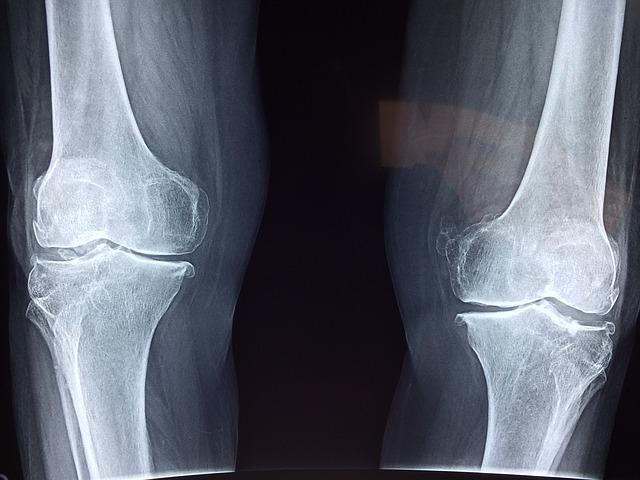
In the skin, fine collagen fibres (so-called fibrils) form a three-dimensional network that maintains shape and elasticity; in bones, type I collagen becomes mineralised, providing tensile strength; in cartilage, type II collagen plays a key role in shock absorption within the joints. Understanding which type is found where helps explain why different tissues age and heal differently.1
How the body produces collagen (simplified)
Cells first write the “instructions” in DNA and produce procollagen – a precursor with terminal ends that are later removed. Inside the cell, unique modifications take place:
- hydroxylation of the amino acids proline and lysine (crucial for the stability of the triple helix), and
- glycosylation.
Without these processes, collagen would not fold correctly. Procollagen is then secreted outside the cell, where enzymes cleave the terminal peptides, forming fibrils and subsequently strong fibres.3
An important detail: vitamin C acts as a cofactor for the enzymes involved in the proper “twisting” of collagen (specifically prolyl and lysyl hydroxylases). This is why it carries the authorised EU health claim that it “contributes to normal collagen formation” – the claim applies to vitamin C, not to collagen supplements themselves.4What happens to skin elasticity with age?
As we age, both the cells (fibroblasts) and the surrounding matrix change.
- The activity of the enzyme MMP-1, which breaks down collagen, increases.
- Sugar cross-linking with other macronutrients rises, forming so-called AGEs,
- leading to thickening of fibres and loss of elasticity.
- Fibrils become fragmented and disorganised.
The result is a stiffer, less cohesive dermis and a poorer cellular microenvironment. This is one of the main mechanisms behind the loss of skin firmness and elasticity.5
Measurements on human skin show that with age, collagen bundles become rougher and harder, reflecting both fragmentation and cross-linking of fibres.5
How can you improve skin elasticity?
There are ways to help slow the loss of skin elasticity.
- Diet – include sufficient collagen, protein, vitamin C (fresh fruit and vegetables), B vitamins (wholegrains), omega-3 fatty acids (fish oil, flaxseeds, chia seeds, nuts), zinc, copper, selenium, antioxidants, and adequate hydration.
- Sun protection – wear a hat and use protective mineral sunscreens, not only in summer or by the sea.
- Massage, face yoga, stimulation – these improve circulation, strengthen muscles and support microcirculation.
- Lifestyle – adequate sleep, regular movement, limiting alcohol and smoking, reducing stress and cortisol levels all positively influence the condition of collagen.
Read more about the importance of collagen and hydration in skincare in our article Skin Hydration: How to Restore Energy and a Healthy Glow (Part 2).
What about supplements?
After consuming hydrolysed collagen, small peptides such as Pro-Hyp and Hyp-Gly appear in the bloodstream; their levels increase measurably across sources following a 10 g dose. What this means in practice, and what data we have regarding skin and joints, will be explored in the next instalment about collagen.6
How to supplement collagen with Pravé Bio
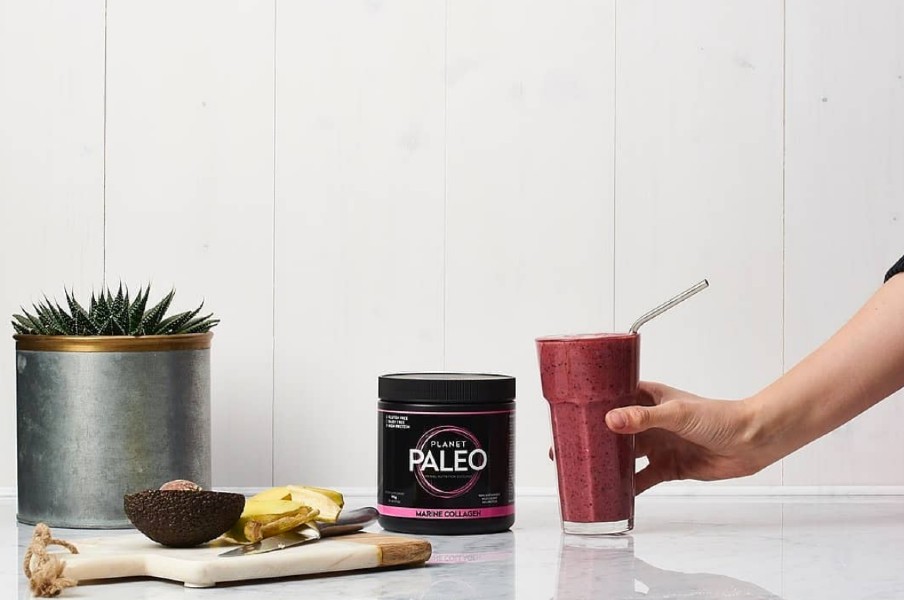
- Planet Paleo – premium hydrolysed collagen from grass-fed cattle, easily added to your everyday meals.
- NoordCode – a Dutch biohacking brand: Pure (bovine) and Complete (multi-source blend + vitamin C). Lab-tested, free from unnecessary additives.
- WoldoHealth – 100% pure bovine collagen, manufactured and tested in Germany; Halal certified; neutral taste, no flavourings.
- Hunter & Gather – pure hydrolysed collagen peptides from grass-fed cattle (EU origin) as well as marine collagen from wild-caught fish; plus a Vanilla Collagen Creamer for easy use in coffee or tea. Transparent ingredients, no added fillers.
(You can find the complete range of collagen products in the Collagen category on Pravé Bio.)
FAQ
Is collagen a single protein, or are there several?
Collagen is a family of at least 28 related types with a triple helix structure; they differ in structure and function across tissues.1
Why does everyone talk about types I, II and III?
Because they cover most common scenarios: I (skin, bone, tendon), II (cartilage), III (skin, blood vessels; often alongside type I).1
Why is vitamin C mentioned when discussing collagen?
Without it, the enzymes that stabilise the triple helix cannot function properly; this is why vitamin C carries the authorised claim relating to normal collagen formation.4
Does ageing simply mean less collagen?
It is more accurate to say altered collagen: more fragments, more cross-linking, fewer well-organised fibres. This changes the mechanics of the skin and its microenvironment.5
Collagen is not just another trend; it is a fundamental building block of our skin, joints and overall vitality. Although the body can produce it naturally, natural production declines with age – which is why supporting its formation through a balanced diet, supplements and appropriate skincare becomes increasingly important. Maintaining skin elasticity is not merely about appearance, but about structural integrity and health. A combination of adequate hydration, protection from UV radiation, a healthy lifestyle and targeted collagen support can significantly influence how the skin ages. In this sense, collagen is an investment in the future – and caring for it begins today.
Did you find this article helpful? Share it with your friends using the button below. If you do not want to miss further updates, subscribe to our newsletter and follow us on social media.
Under EU regulations, we cannot link directly from the blog to specific promoted product pages. However, you can of course find the products on our website Pravé Bio.
Sources
- The Collagen Family. 2025. Cold Spring Harbor Perspectives in Biology. Available here.
- Collagen Structure and Stability. 2009. Annual Reviews Biochemistry. Available here.
- Chapter 9 Posttranslational processing of collagens. 1996. Principles of Medical Biology. Available here.
- Scientific Opinion on the substantiation of health claims related to vitamin C… 2009. EFSA. Available here.
- Age-related changes in dermal collagen physical properties in human skin. 2023. PLoS One. Available here.
- Absorption of bioactive peptides following collagen hydrolysate intake… 2024. Frontiers in Nutrition. Available here.
ŠárkaShe dedicated her education and professional life to the world of gastronomy and nutrition. After studying hospitality and human nutrition, she qualified as a nutritional therapist, gaining a holistic understanding of the relationship between food and health.
Today, she primarily applies this knowledge in caring for her children.
She embraces challenges and new opportunities, believes in fresh beginnings and values a sustainable lifestyle. Outside her profession, she enjoys gardening, hiking and, above all, spending time with her family, which remains her greatest pillar in life.