Discover the secret to a healthy tan. How to stay safe in the sun
Summer is here and with it come sunny days that can lift our energy – but they’re also something we can’t afford to be careless with. Sunbathing can feel wonderful, yet without proper skin protection we risk sunburn, premature skin ageing or even skin cancer.
Many conventional sunscreens often contain harmful chemicals and microplastics, leaving a trace not only on our bodies, but also in the ocean and nature. If you’re looking for healthier sun protection that’s kinder to your body and the planet, you’re in the right place.
In this article, we’ll show you how natural sun protection can be safe and effective – and also considerate of your health, your skin and the environment.
Contents
Why choose natural sunscreens with no unnecessary chemistry?
If you care about skin health and you also want to protect the environment, then natural sunscreens are the clear choice. They don’t contain toxic chemicals such as oxybenzone or octinoxate. These can be absorbed into the bloodstream and may disrupt hormonal balance. They are also proven to be toxic to coral reefs and can damage marine ecosystems.2
By contrast, natural sunscreens use mineral filters such as zinc oxide or titanium dioxide. These filters – when they don’t contain nanoparticles – don’t penetrate the skin, but instead create a protective shield on the surface that reflects UV radiation. They’re an ideal choice for kids, sensitive skin, and anyone with an eco conscience who wants to support responsible sun care without negative impacts on health or nature.
Choosing sunscreen: key parameters for healthier sun exposure
Before you choose a sunscreen and your preferred type of sun protection, keep these two points in mind:
- Know your skin phototype
- Consider whether you have a fair or very fair skin type that burns easily, or a darker skin type that tans more readily and doesn’t burn as quickly. Fair skin types need a higher SPF (sun protection factor) and extra caution during time in the sun.
- When you need protection
- There’s a difference between everyday sun exposure at home (e.g. sunbathing by the pool, gardening) and intense exposure during a seaside holiday. For subtropical and tropical destinations, always choose a higher SPF.
- UV protection also matters when hiking in the mountains, cycling or doing other outdoor sports that last longer than 10 minutes. In the mountains, sunlight is often more intense – here too, a higher SPF is recommended.
UV filter, or SPF (Sun Protection Factor)
SPF (sun protection factor) indicates the level of protection against UV-B radiation. This type of radiation affects the outer layers of the skin and influences vitamin D production and tanning, but also allergic reactions and the development of skin cancer.
However, we shouldn’t forget UV-A radiation, which penetrates deeper into the skin. UV-A is present all year round and contributes to wrinkles, premature skin ageing and skin cell damage.
A quality sunscreen should always protect against both UV-A and UV-B radiation. Both types damage collagen and elastin – the essential building blocks of healthy skin.
Without protection, sunburn can occur in as little as 10 minutes.3 SPF (Sun Protection Factor) determines how much longer that time becomes. For example, SPF 30 suggests theoretical protection for up to 300 minutes, but many variables affect this:
- skin type,
- sun intensity,
- sweating, swimming, friction,
- how much you apply and how regularly.
Percentage of blocked UV-B radiation:
- SPF 15 – approx. 93 %,
- SPF 30 – approx. 97 %,
- SPF 50 – approx. 98 %.4
The difference between SPF 30 and SPF 50 isn’t huge, yet SPF 50 is recommended for fair phototypes, sensitive skin and kids.
If you have pigmentation, SPF protection can help prevent it from darkening and becoming more noticeable.
Alongside sunscreen, don’t forget headwear and sunglasses. A hat, cap or other head covering is especially important for kids during longer periods in the sun.
Is there such a thing as purely natural protection?
You could say partly yes. However, natural UV filters are difficult to verify and their shelf life tends to be low. Studies vary widely in reported SPF values depending on the methods used. Natural sun protection is sometimes attributed to these plant oils:
- olive oil
- coconut oil
- almond oil
- carrot seed oil
- wheatgerm oil
- argan oil
- raspberry seed oil
- tamanu oil
Based on current knowledge, natural oils cannot be recommended as the only effective sun protection – their UV protection factor is low and highly unstable.1
Clean ingredients
Avoid ingredients that may irritate the skin or burden the environment. When choosing a natural sunscreen, avoid in particular these substances:
- fragrances (containing allergens),
- synthetic emulsifiers,
- microplastics,
- silicones,
- nanoparticles.
Did you know that in Hawaii you can’t buy sunscreen containing oxybenzone and octinoxate? This step was taken to protect coral reefs. 5
Certification and transparency
Trustworthy brands are happy to state:
- INCI ingredients (international nomenclature of cosmetic ingredients),
- the origin of raw materials.
They also often carry respected certifications that confirm quality and natural provenance:
- COSMOS – an international standard for certifying natural and organic cosmetics.
- EcoCert – certification for natural and organic cosmetics originating in France.
- BDIH – natural cosmetics certification awarded by the German association of industrial and commercial companies.
- CPK – Certified Natural Cosmetics, a Czech standard awarded by the independent organisation KEZ o.p.s.
- Vegan – products without animal ingredients and not tested on animals.
- Zero Waste – focus on eco packaging and waste reduction.
- and more.
How to use natural sunscreens correctly and sunbathe safely
- Apply natural sunscreen ideally 15–20 minutes before sun exposure.
- Apply evenly in layers and don’t skimp.
- After swimming or towel drying, always reapply your sunscreen.
- For longer periods in the sun, reapply according to the manufacturer’s instructions or roughly every 2 hours.
- Don’t forget to protect sensitive areas: nose, ears, tops of your feet, lips – there are also natural SPF lip balms!
- After sunbathing, shower and use an after-sun product – it soothes, hydrates, nourishes, prolongs your tan and reduces the negative effects of sun exposure (e.g. skin ageing, wrinkles).
- Between 11–15, avoid direct sun – this is when UV radiation is most intense. For kids, this rule matters even more.
- Don’t forget plenty of fluids. Read our article on the importance of hydration and choose the best summer refreshment
Sunscreen, lotion or spray – what should you choose?
In terms of protection from sunlight, there’s no major difference between formats. What may matter to you is:
- Ease of application – a sunscreen spray can cover a larger area more quickly.
- Spreadability – this depends on the formula. A cream, lotion and spray can all spread just as well.
- Price – especially important if you use it often.
Choose a sun care product that fits your lifestyle and is kind to your health as well as the environment.
Do we need to avoid the sun?
Sunlight brings risks such as sunburn, skin ageing and the risk of skin cancer. Even so, it is vital for humans and has an irreplaceable role in our lives.
- Vitamin D production
- UV-B radiation activates vitamin D production in the skin – essential for healthy bones, teeth, the immune system, hormonal balance and mental wellbeing.
- Good mood
- Sunlight stimulates the production of serotonin – which can help with fatigue, depression and sleep disturbances.
- Regulating the circadian rhythm
- Daylight affects the production of melatonin (the so-called sleep hormone). Spending time in natural light can help you fall asleep more easily, sleep better and wake naturally.
To enjoy these positive effects of the sun without unwanted consequences, it’s important to protect yourself proactively. Here are our favourites among natural sunscreens.
Brands that respect your body and nature
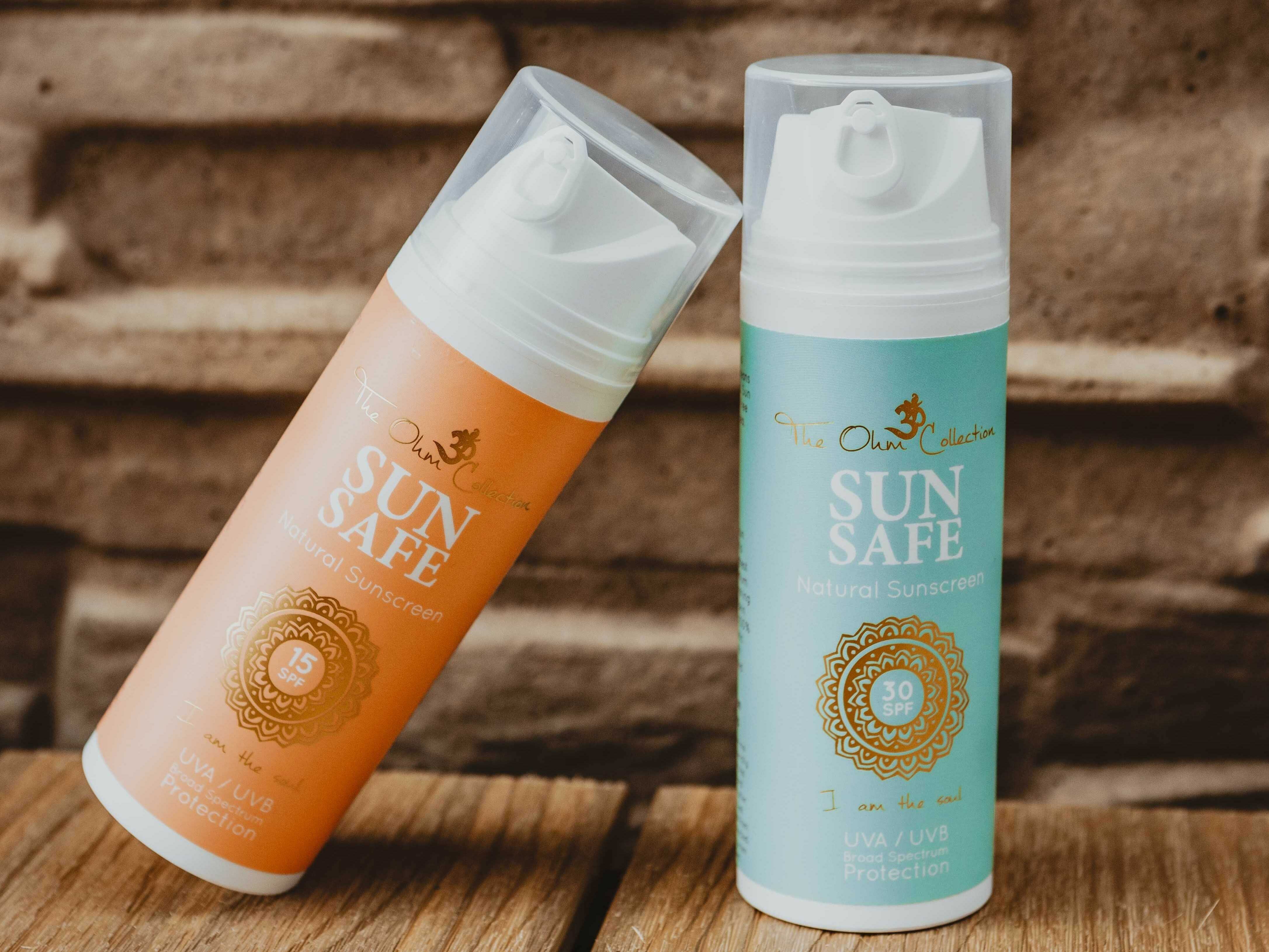
The Ohm Collection
A young Dutch eco brand focused on 100 % natural cosmetics – purely BIO, vegan, cruelty-free. Handmade from local ingredients that support sustainable agriculture.
Incognito
A natural alternative to synthetic sun care, combining mineral protection, insect repellent action and hydrating care.
Raw Elements
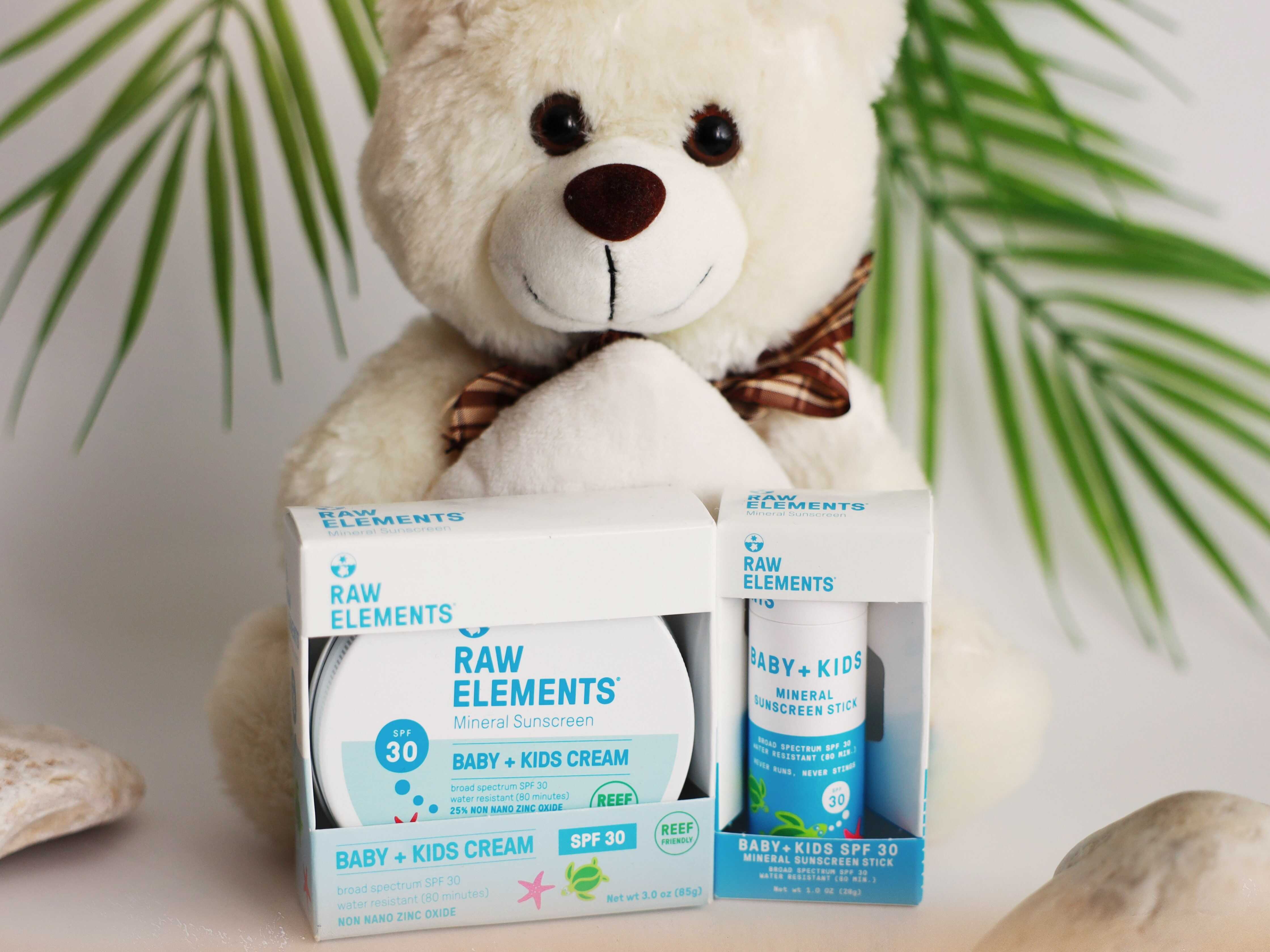
An American brand (since 2012), a pioneer in purely natural sunscreens (95 % organic ingredients).
Odylique (formerly Essential Care)
A British brand with a focus on hypoallergenic, organic and 100 % natural formulations.
The Ohm Collection Odylique Raw Elements Incognito SPF protection SPF 15, SPF 30, SPF 50 SPF 30 SPF 30, SPF 50 SPF 30 UV radiation UV-A and UV-B UV-A and UV-B UV-A and UV-B UV-A and UV-B Effective mineral filter Uncoated zinc oxide
(no white cast, does not absorb into the bodyNon-nano zinc oxide Non-nano zinc oxide Non-nano zinc oxide Certifications Natural according to Natural Cosmetic Standard COSMOS USDA Organic COSMOS Natural Packaging material Recycled PP plastic, glass with an aluminium lid Glass jar with an aluminium lid Tubes made from sugar cane, tins made from recycled metal Sugar cane Details Light texture, suitable for sensitive and dry skin. Suitable for body and face.
Easy to spread, no white cast.
Suitable for kids and those with sensitive skin.
Also available: natural make-up with SPF 25.
Water resistance up to 80 minutes (ideal for fans of water sports).
Also focused on kids
Products for body, face and lips.
Practical packaging
Repellent effect thanks to PMD.
A great choice for hiking, sport and the outdoors, also for kids from 6 months
After-sun skincare range.
TIP for shade-lovers – Nibu Naturals
Not keen on the sun but still want a sun-kissed look? Try products with astaxanthin from Nibu Naturals.
- A naturally sunless glow (in nature, astaxanthin gives salmonid fish their typical colour).
- Available in three shades.
- More on the effects of astaxanthin in this article: Astaxanthin – a superantioxidant that changes the rules of the game for health and beauty.
- As my grandma would say: “You’re not going to look like you’ve been dipped in limewash.”
Sunshine can bring us energy, a better mood and essential vitamin D – but only when we approach it with care. Natural sunscreens aren’t just a trend – they’re responsible. Choosing a natural sunscreen with mineral filters, without harmful substances and with ecology in mind is gentle on skin and a responsible choice for the planet, too.
Choose certified brands, check the ingredients, follow correct usage, and enjoy your time in the sun with calm confidence that you’ve done the best for your health.
Protect your skin the natural way, take inspiration from our sun care tips, and remember – a beautiful tan can be a healthy one, too.
Did you find the article useful? Share it with your friends using the button below. If you don’t want to miss more interesting updates, subscribe to our news and follow us on social media.
Under EU regulations, we can’t link from the blog to websites with a promoted product. Of course, you can still find the products on our website Pravé Bio.
Sources used
- The real UVB photoprotective efficacy of vegetable oils: in vitro and in vivo studies. 2021. Photochemical & Photobiological Sciences. Online. Available here.
- Dangers of Oxybenzone in Sunscreens on Coral Reefs: Proposed Policy Approaches. 2024. Journal of Science Policy & Governance. Online. Available here.
- Relationship between ultraviolet index (UVI) and first-, second- and third-degree sunburn using the Probit methodology. 2019. Scientific Reports volume. Online. Available here.
- Slip versus Slop: A Head-to-Head Comparison of UV-Protective Clothing to Sunscreen. 2022. MDPI. Online. Available here.
- Hawaii banned sunscreens. Each year, 14,000 tonnes were washed into the sea from people. 2018. Info.cz. Online. Available here.
ŠárkaShe devoted her education and professional life to the world of gastronomy and nutrition. After studying hospitality and human nutrition, she completed her training with a qualification as a nutritional therapist, giving her a holistic view of the connection between food and health.
She now uses this knowledge primarily in caring for her kids.
She isn’t afraid of challenges and opportunities, believes in new beginnings, and values a sustainable lifestyle. Outside her profession, she enjoys gardening, hiking and, above all, her family, which remains her greatest anchor in life.