
Coffee alternatives (Grain Coffees & Substitutes)
These coffee alternatives offer a warm drink caffeine-free for your daily ritual. They suit moments when you want a tasty break without stimulation and easy preparation at home or at work. Here you’ll find grain coffees from chaga and dandelion root, as well as golden milk, chai and cacao latte. Check the ingredients, sugar content, clear origin and options in bio quality.
Product sorting
Brands
According to the problem?
Does not contain
Form
Key Feature
List of products



![NORTH AMERICAN HERB & SPICE - Pražený pampeliškový kořen s březovou kůrou a chagou - LIVA LATTE Nápoj [100g]](https://cdn.myshoptet.com/usr/www.pravebio.cz/user/shop/detail/1136_north-american-herb-spice-prazeny-pampeliskovy-koren-s-brezovou-kurou-a-chagou-liva-latte-napoj--100g-.png?66db503c
)
Replace your coffee with this unique cleansing and detoxifying drink made from organic...
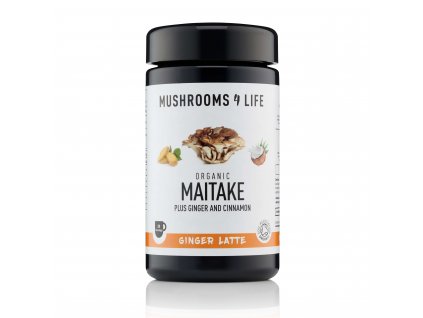


A delicious alternative to coffee that gives you energy and supports hormonal balance...
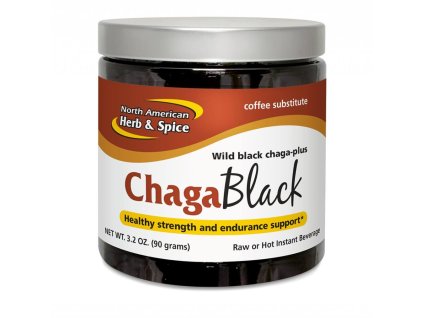
The combination of freeze-dried black Russian chaga powder, wild birch bark and tamack...

A unique blend for the preparation of so-called golden milk, made from wild and...


ChagaMilk is a vegan drink made from wild chaga that promotes body harmony and provides...

Listing controls
Your cup caffeine-free: tips, preparation & choosing blends
Coffee alternatives bring a cozy ritual without caffeine. They suit an afternoon break, evenings, or days when you want flavour without stimulation and without unnecessary additives.
What you’ll find in this category
The core is grain coffees from chaga (e.g., ChagaMilk and ChagaBlack) and roasted roots (e.g., LivaLatte), plus golden milk (e.g., GoldElixier or Golden Latte), chai (e.g., Original Chai or Chai Golden Milk) and cacao lattes (e.g., Cordyceps & Beetroot Latte). Preparation is simple at home or work—heat water or milk, stir, and adjust to taste.
What is chai (spiced drink)
Chai is a blend of spices (typically cardamom, cinnamon, ginger, clove, sometimes black pepper) and a base—either black tea or a purely herbal blend without caffeine. The result is a warming, aromatic drink that pairs well with milk or a plant drink.
It’s easy to tailor the flavour: adjust spice strength by steep time and milk ratio. For a creamier texture, briefly froth the drink and sweeten to taste.
What is golden milk
Golden milk is based on turmeric and often ginger, Ceylon cinnamon and a pinch of pepper. It’s a spiced warm drink with gently earthy and sweet notes, popular as an evening coffee alternative.
Preparation is simple: mix the blend into warm milk or a plant drink. For a smooth texture, first make a paste with a little hot liquid, then top up the cup.
What is chaga
Chaga (Inonotus obliquus) is a wood-dwelling fungus with a naturally earthy taste, traditionally used across northern Europe and Asia. In drinks it brings bittersweet tones reminiscent of lightly roasted grain coffees.
Chaga blends are often combined with roots or herbs for a rounder profile. They work well as a warm drink instead of espresso—especially if you prefer caffeine-free.
Dandelion: what to expect from taste & composition
Dandelion root, once roasted, offers earthy and gently bitter notes. It works well alone or with chaga or spices for a fuller, “coffee-like” character—still caffeine-free. Try the blend LivaLatte.
Cacao & “latte” blends without coffee
Cacao lattes, sometimes combined with herbs, serve as a gentle espresso alternative. For a “mocha” effect, mix cacao with warm milk and sweeten as preferred.
How to prepare
Start with a small amount of the blend and adjust thickness by adding liquid gradually. For spiced blends or cacao, make a paste with a little hot water, then top up the cup.
Sweetening & flavouring
If you wish to sweeten, use modest amounts of natural sweeteners. For a creamier texture, add milk or a plant drink; with chai, a pinch of vanilla or Ceylon cinnamon works nicely.
How we select products
We look at origin, processing type, clear serving guidance and a transparent label. For selected items we also prefer bio quality and simple ingredients without unnecessary additives.
Tips for use & storage
- Serving: increase gradually and match your routine and time of day.
- Mixing: stir before serving so spices and cacao disperse evenly.
- Storage: keep in a dry place, well sealed, away from light.
If you want to learn more, read our blog (in Czech): Hydratace pleti: jak dodat pokožce energii a zdravý vzhled.
FAQ
▶ Is chai always made with black tea?
▶ Can I make golden milk with water?
▶ Is chaga suitable in the morning and evening?
Note: Always check ingredients, potential allergens and recommended serving on the product label.