How to Tame Irresistible Cravings: Causes and Effective Solutions
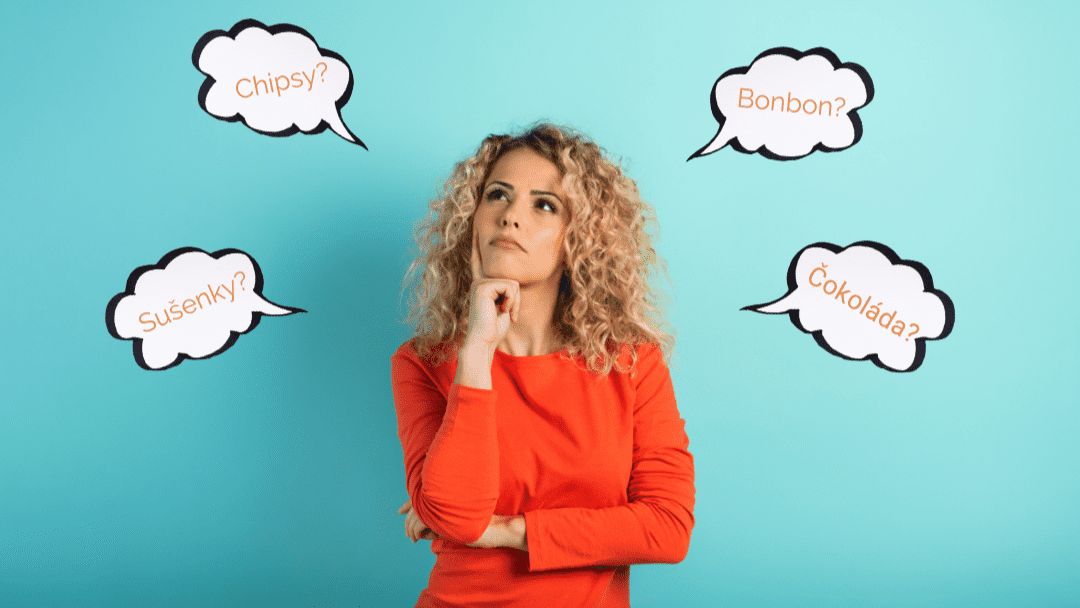
We’ve all been there – a sudden and irresistible craving for something sweet, something salty or rich, fatty food, arriving without warning and often outlasting even our strongest willpower. These cravings can lead us into overeating, disrupt a healthy lifestyle, and undermine efforts to maintain an optimal weight. And it’s not simply about weak willpower – cravings are often driven by complex physiological, psychological and hormonal processes.
In this article, we’ll look at the main causes of these cravings – and, above all, how to tackle them effectively and prevent them. You’ll learn how to read your body’s signals, adjust your diet and habits so those flavour “attacks” lose their grip – and you can regain control over your decisions.
Article contents
Do you often crave something sweet, salty, bitter or sour? According to expert studies, it can be a signal that your body is missing something. An unbalanced diet often lacks important vitamins, minerals or macronutrients that the body genuinely needs.
Cravings may be linked to:
-
an unbalanced or monotonous diet,
-
higher demands on the body – for example during illness, stress, low mood or sport,
-
a higher BMI or waist circumference, which can increase the need for certain substances.
Interestingly, a direct link between a specific craving and a precise nutrient deficiency has not yet been scientifically confirmed.1
What you might read in the media:
Craving something sweet
Possible causes:
Lack of magnesium: A craving for chocolate may point to a magnesium deficiency. Magnesium matters for the nervous system and glucose metabolism.
Lack of B vitamins: Vitamins B2 and B6 play a role in energy metabolism, and a shortfall can lead to a desire for sweet foods.
Blood sugar swings: Poor glucose regulation can trigger cravings for quick sources of energy, such as sweets.
Not enough fluids: Dehydration slows nutrient distribution in the body, which can create a false feeling of hunger. Read more in our article on hydration.
Recommendations:
Increase foods rich in magnesium – e.g. dried apricots, banana, dates, nuts, seeds.
Top up B vitamins – e.g. wholegrains, meat.
Keep blood sugar levels stable with regular meals.
Make sure you drink enough.
Craving something salty
Possible causes:
- Lack of sodium: Sodium is key for fluid balance and proper nerve function. Too little can lead to a strong craving for salty foods.
- Dehydration: Fluid loss (e.g. through sweating) can lower sodium levels and trigger cravings for salty foods.
- Stress and fatigue: Psychological factors can strongly influence salt cravings – the body may be trying to compensate for feeling depleted.
Recommendations:
- Make sure you drink enough fluids.
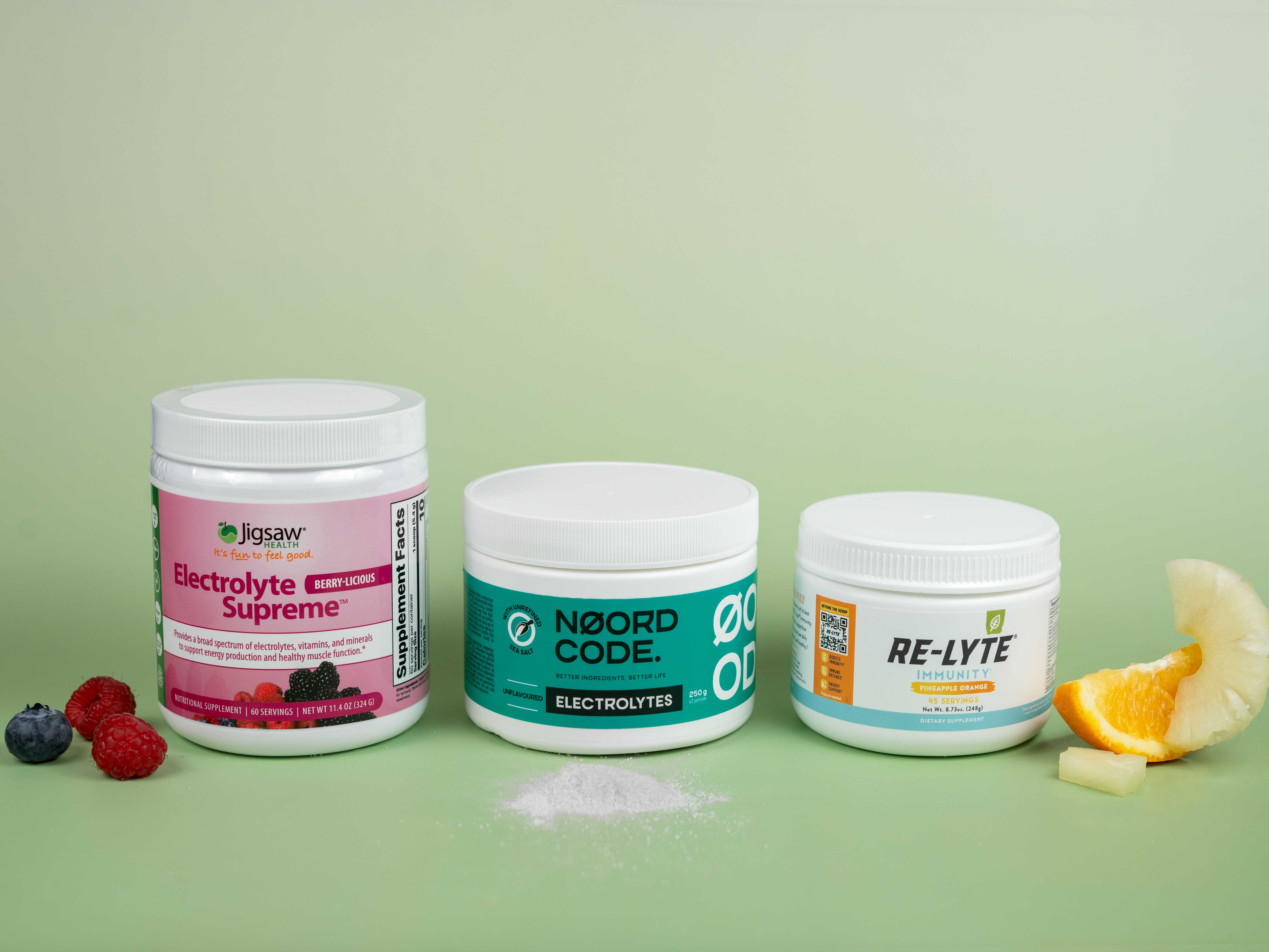
- Replenish sodium naturally, especially after physical activity or in hot weather. Here don’t forget comprehensive replenishment of electrolytes.
- Prioritise rest and nervous system recovery.
Craving something sour
Possible causes:
- Lack of vitamin C: A desire for sour foods can be a sign that the body is low in vitamin C, which matters for the immune system, skin health and antioxidant protection.
Recommendations:
Add fruit, vegetables, sauerkraut and other foods rich in vitamin C to your diet.
Craving something bitter
Possible causes:
-
Lack of magnesium: A craving for dark chocolate may be a sign of magnesium deficiency. Magnesium is essential for many body functions, including the nervous system, muscle function and energy metabolism.
Recommendations:
-
Include foods rich in magnesium, such as:
dried apricots, banana, dates, nuts, seeds. - Enjoy a piece of quality dark chocolate.
8+1 tips for handling cravings and overeating
- Eat regularly and in a balanced way
- Hunger is the most common reason for an irresistible urge to eat. A regular routine and a balanced diet reduce the risk of overeating.
- Plenty of protein and healthy fats
- Protein and healthy fats in main meals help you feel full and keep blood sugar levels steadier, which reduces the pull towards sweet or salty foods.
- Drink properly
- Dehydration often masquerades as a craving for something sweet. Keep an eye on your fluid intake – learn more in our article on hydration.
- Do something else
- Cravings from boredom are common. A walk, your favourite music, or a book can help. Shifting your attention elsewhere turns the volume down on craving signals.
- Keep smart snacks close by
- Instead of automatically reaching for sweets, keep a snack box with nuts, dried fruit or a protein bar. Read our article on smarter snacking.
- If you don’t want to eat it, don’t buy it
- Don’t tell yourself it’s for guests – temptation at home almost always wins. Not having it in the house is the best prevention.
- Skip food adverts
- Adverts and visual cues can artificially trigger cravings. Studies show the negative impact of food advertising on eating preferences. Skip them, or do something else during the breaks.2,3,4
- Unhelpful gifts? Politely decline
- Not every sweet treat makes a good gift. Say thank you with a smile, and add that what you value most is time and attention.
Extra tip: Keep your mouth busy in a different way
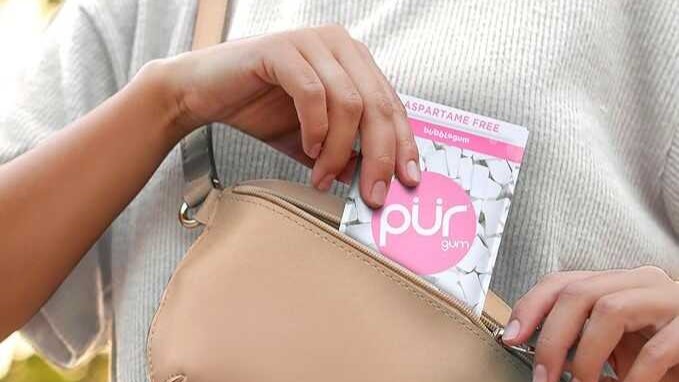
Sometimes it’s simply a need to chew. Try sugar-free chewing gum without artificial sweeteners as an alternative to unnecessary snacking.
Irresistible cravings aren’t just the result of weak willpower – they’re often a sign that body or mind is calling for balance. When we understand the causes – whether it’s stress, lack of sleep, unhelpful eating habits or emotional triggers – we can learn how to handle them consciously and prevent them.
The key is regular, balanced meals, enough rest, hydration and listening to your body. Small changes in everyday habits can make a big difference to how you deal with cravings – and, in turn, to your health, well-being and long-term satisfaction.
Remember: the goal isn’t to be perfectly “resistant”, but to learn to work with cravings consciously – and make food an ally, not an opponent.
Did you find the article useful? Share it with friends using the button below. If you don’t want to miss other interesting updates, subscribe to our news and follow us on social media.
Under EU regulations, the blog cannot link to websites with a promoted product. You can, of course, find the products on our website Pravé Bio.
Sources used
- Food cravings: Associations with dietary intake and metabolic health - PubMed. (2020). PubMed. Available here.
- Exposure to food advertising on television: associations with kids' fast food and soft drink consumption and obesity - PubMed. (2011). PubMed. Available here.
- Advertising as a cue to consume: a systematic review and meta-analysis of the effects of acute exposure to unhealthy food and nonalcoholic beverage advertising on intake in kids and adults - PubMed. (2016). PubMed. Available here.
- Impact of unhealthy food/drink marketing exposure to kids in New Zealand: a systematic narrative review - PubMed. (2025). PubMed. Available here.
ŠárkaShe has dedicated her education and professional life to the world of gastronomy and nutrition. After studying hospitality and human nutrition, she completed her training as a nutrition therapist, which gave her a well-rounded view of the connection between food and health.
She now uses this knowledge mainly in caring for her kids.
She welcomes challenges and opportunities, believes in new beginnings, and values a sustainable lifestyle. Outside her work, she spends time gardening, hiking and, above all, with her family, which remains her biggest life anchor.