Try the Freeze-Dried Beef Blend in Practice
Morning Smoothie Boost
Add ½–1 teaspoon to your banana smoothie. The flavor remains fruity, but the nutritional value jumps to the “nose-to-tail” league.
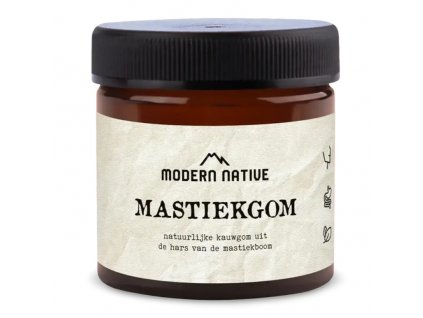
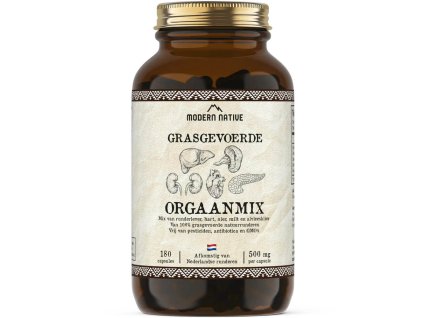
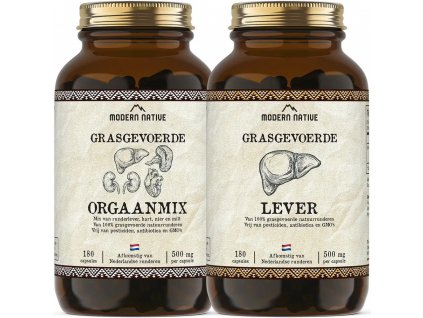
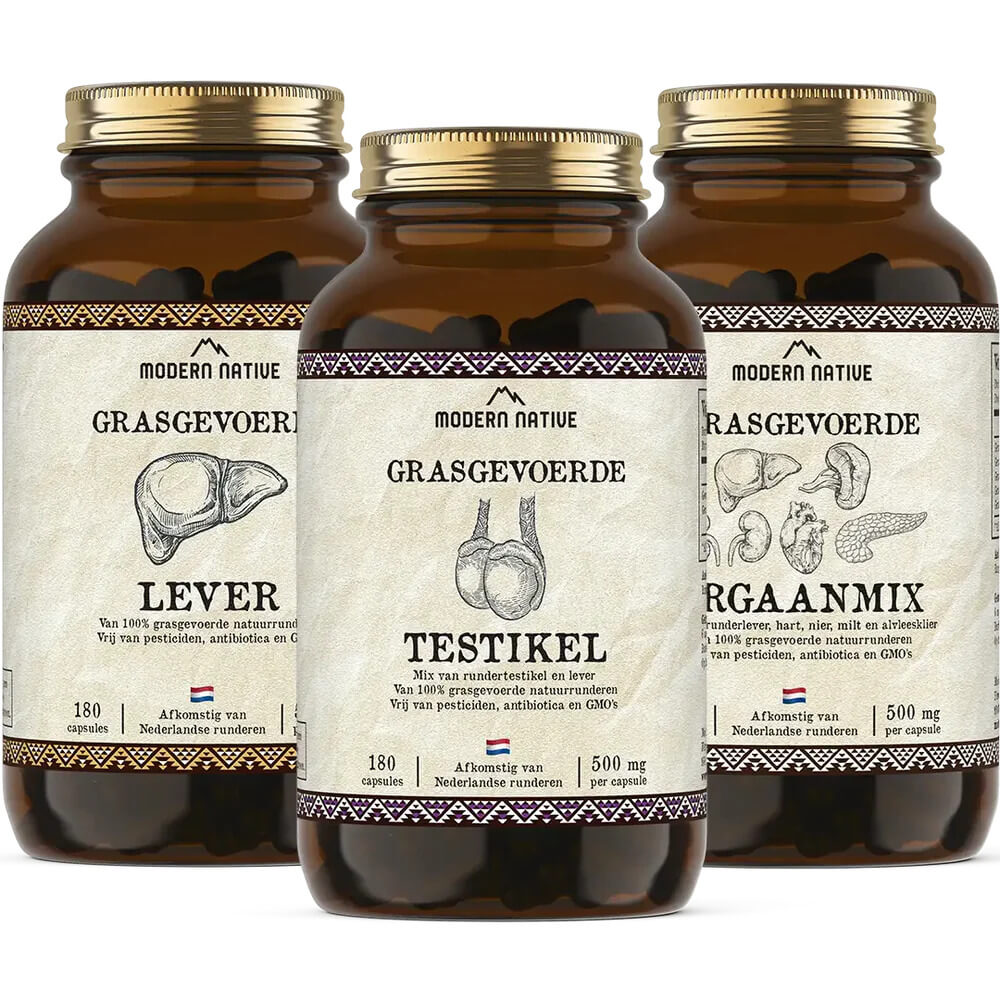
Dried organ mix in powder from the Dutch brand Modern Native is an ideal dietary supplement to support health. Thanks to the included vitamins and minerals, beef organs provide a wide spectrum of bioavailable nutrients.

The Power of Organs in a Powder from Modern Native
This is an alternative to the popular Grass-fed Beef 5-Organ Blend capsules. It’s especially appreciated by those who prefer the powder format or have difficulty swallowing capsules.
Beef organs deliver a wide range of bioavailable nutrients. They are rich in vitamins such as Vitamin A and other B-group vitamins, for example B3 and B12.
Additionally, they are an excellent source of various minerals such as iron, selenium, copper and phosphorus. Beef organs also contain an optimal ratio of omega-3 and omega-6 fatty acids.
With this blend of five different organs, you get the broadest spectrum of nutrients, as each contributes its unique profile.
*NRV – Nutrient Reference Value according to Regulation (EU) 1169/2011.
 Grass-fed).
Try the Freeze-Dried Beef Blend in Practice
Morning Smoothie Boost
Add ½–1 teaspoon to your banana smoothie. The flavor remains fruity, but the nutritional value jumps to the “nose-to-tail” league.
Protein Burger & Sauces
Stir the powder into ground meat or Bolognese sauce – no one will notice, but your body will thank you.
Kids’ Soup
Mix a pinch of powder into the broth; you’ll enrich it with iron and collagen without changing the taste.
Freeze-dried beef from free-range Dutch farms. 100 % grass-fed, natural multivitamin, 867 IU Vitamin A and 199 % NRV B12 per serving.
| Typical values | per serving (6 g) | What this means for you |
|---|---|---|
| Vitamin A | 867 IU (35 % NRV) | Supports immunity, skin and vision |
| Vitamin B12 | 5.6 µg (199 % NRV) | Reduces fatigue & supports energy production |
| Iron | 2.1 mg (19 % NRV) | Normal blood formation & oxygen transport |
| Collagen peptides | ≈ 800 mg | Elastic skin & healthy joints |
| CoQ10 & taurine | natural content | Cellular energy & muscle performance |
Ingredient Sources
- The ingredients for these dietary supplements come from grass-fed beef in the Netherlands.
- Because the cattle are raised on natural pastures and well cared for, nutrients are optimally preserved and you receive higher-quality organ meat.
- The main suppliers of organ meat for Modern Native are Zorg & Natuur (Care & Nature), Vlees van Ons (Meat from Us) and Reestdal Rund (Reestdal Beef).
_small.jpg)

More local organic farmers means fewer mass-production herds and happier Dutch cattle.
Why Supplement with Organs?
Research in human nutrition often demonstrates the “like supports like” concept: micro- and macronutrients in animal organs and tissues support the same organs and tissues in humans.
For example, animal muscle meat supports human muscle growth and repair. Likewise, nutrients in animal organ meat support the corresponding organs in the human body.
Diamine Oxidase & Histamine: How to Naturally Boost DAO Levels
A deficiency of diamine oxidase (DAO) is one of the most common causes of histamine intolerance. The DAO enzyme is responsible for breaking down histamine in the body. When it cannot break it all down, histamine accumulates and you experience symptoms of histamine intolerance.
In addition to taking a DAO supplement, there are some easy dietary changes that support healthy DAO enzyme levels.
DAO and Histamine Intolerance
Research shows that histamine intolerance affects at least 1% of the global population, with nearly 80% of sufferers being women.
Histamine intolerance arises from overproduction and accumulation of histamine in the body and an inability to break it down. This can cause various chronic symptoms, including allergic reactions, digestive disorders (IBS), mast cell activation and asthma.
Although diagnosis is based on medical consultation and symptom observation, managing these symptoms requires identifying the root cause. DAO deficiency is one of the most frequent contributors.
Studies indicate DAO deficiency accounts for over 70% of all histamine intolerance cases.
So how do you know if this is the main cause of your histamine intolerance?
Diamine Oxidase Deficiency: Common Causes
When your body needs to lower histamine levels, it relies on two naturally occurring digestive enzymes: DAO and histamine N-methyltransferase (HNMT). If these enzymes are unavailable or underproduced, histamine builds up.
Several factors can contribute to DAO deficiency, including:
- Genetic inheritance – a mutation may reduce DAO enzyme levels.
- Medications – certain prescription and OTC drugs can lower DAO. Consult your doctor about side effects and read labels.
- Hormonal imbalance – estrogen/progesterone imbalances can affect histamine metabolism.
- Gastrointestinal disorders – IBS, Crohn’s, ulcerative colitis, celiac disease and SIBO (SIBO) can trigger inflammation and impair DAO production.
- Nutrient deficiencies – lacking Vitamin B6, Vitamin C, zinc or copper can risk DAO deficiency.
- High-histamine foods – some foods inhibit DAO or overload the body with histamine.
- Alcohol – a potent DAO inhibitor that also contains high histamine levels.
DAO deficiency can affect multiple organs (lungs, skin, cardiovascular system, brain, digestion, etc.), leading to varied symptoms. Depending on severity, these may appear hours after eating certain foods.
Because triggers can be hard to identify, many find a low-histamine elimination diet helpful. We’ll cover these foods below.
7 Ways to Naturally Boost DAO Levels
Numerous studies have explored preventing DAO deficiency, identifying methods to potentially prevent and even reverse histamine intolerance.
1. Adopt a low-histamine diet
Research shows dietary changes are the first step to reducing histamine intolerance symptoms. Eliminating high-histamine foods lets your body catch up and process existing histamine. Studies also show these changes enhance DAO activity throughout the body.
If you’re unsure how the right diet lowers histamine and supports DAO, click the button below to download my free e-book. It includes a master list of 102 high-histamine foods to avoid and a step-by-step guide to reduce symptoms and uncover the root cause of your intolerance.
2. Balance your fat intake
When updating your diet, some of the most interesting findings relate to fat consumption.
Studies show benefits when patients increased omega-9 monounsaturated fats—primarily oleic acid. In particular, high-quality olive oil has been shown to boost DAO release into the bloodstream by up to 500%!
Oleic acid also offers other health benefits, such as lowering blood pressure, especially as part of a Mediterranean-style diet. You can cook with olive oil or include nuts like walnuts and macadamia nuts to help prevent DAO deficiency.
Meanwhile, inflammatory arachidonic acid—a polyunsaturated omega-6 fatty acid found in organ meats, fatty red meat and dairy (particularly hard cheeses and eggs)—causes the highest histamine spikes compared to other foods.
It’s been shown that reducing dietary omega-6 fatty acids—common in processed foods and vegetable oils—while increasing omega-3 intake (from fatty fish and seafood) reduces inflammation and eases histamine intolerance symptoms.
An important factor in balancing fats is using heat-stable oils, including ghee and virgin coconut oil, for baking and high-temperature cooking. For light, low-temperature cooking, you can regularly use olive oil and macadamia oil.
3. Eat the Right Proteins
The process of protein digestion is largely responsible for releasing the DAO enzyme in the intestines. This enzyme helps the body handle ingested amines and histamines while preventing histamine accumulation.
That’s why it’s important to consume clean, healthy proteins. Look for grass-fed proteins, organic sources, and fresh seafood that boost DAO activity.
4. Minimize Harmful Ingredients
A common theme in this list is healthy, whole foods—and that’s no accident! Avoiding artificial additives and pesticides can have a huge impact on your digestion, DAO production, and even food allergies.
Eating as naturally as possible will always benefit your health!
5. Support Gut Health
As mentioned, most DAO is produced in the gut. Supporting gut health and microbiota by taking low-histamine probiotics provides a fundamental base for reducing histamine symptoms. Probiotics can increase DAO levels much like a supplement by supporting your digestive tract and maintaining healthy gut flora.
6. Take Vitamin Supplements
Deficiencies in zinc, copper, vitamin B6, and vitamin C are also linked to inflammation, elevated histamine, and reduced DAO activity. Regular supplementation of these nutrients can boost DAO enzyme levels and relieve histamine intolerance symptoms.
An effective way to meet your nutrient needs is to take a low-histamine multivitamin with added minerals to prevent or correct deficiencies.
7. Find a DAO Supplement
Another simple way to increase DAO levels is a natural DAO supplement. Available in capsules, these supplements offer an easy method to help reduce histamine intolerance symptoms.
Directly supplementing with DAO is one of the fastest and most effective ways to raise DAO levels, break down incoming histamine, and alleviate symptoms.
Organ meat is rich in vitamin A, B12, iron, collagen, and enzymes. It supports immunity, energy production, joints, and skin health.

Yes, in moderation. Due to high vitamin A content, experts recommend no more than one serving of liver per week—or consult your doctor.
The general recommendation is 1–2 times per week in moderate amounts (50–100 g fresh equivalent) to cover nutrients without risk of excess.
Organs can accumulate substances from feed, so we choose 100% grass-fed sources without GMOs or pesticides. Low-temperature processing further minimizes contamination.
In small portions, yes—for example, ½ teaspoon of powder in soup or porridge. For children under 3, consult a pediatrician.
The powder easily blends into smoothies, sauces, or ground meat—neutralizing liver flavor while preserving nutrients.
We recommend farm e-shops, organic butcheries, and certified grass-fed supplement producers.
It’s very low in carbs, so it suits keto and low-carb diets. It contains no gluten, dairy, or soy; it’s only unsuitable for those allergic to beef proteins.
Select supplements that synergistically complement the nutritional profile of beef organs:
Vitamin C contributes to normal collagen formation for the proper function of skin, bones, cartilage, and gums. Moreover, it protects cells from oxidative stress and supports the immune system, which excellently complements the nutrient-dense profile of organ meats. EFSA Journal – Vitamin C
Magnesium contributes to normal muscle function, nervous system activity, and energy metabolism. It also helps reduce tiredness and fatigue—often paired with animal-derived foods to support physical vitality. EFSA Journal – Magnesium
EPA and DHA contribute to normal heart function (at a daily intake of 250 mg). In addition, DHA helps maintain brain function and normal vision—nutrients that can extend the benefits of vitamins A, B12, and the minerals found in organ supplements. EFSA Journal – EPA & DHA
Zinc contributes to the maintenance of healthy skin, hair, and nails—which beautifully complements the complex of vitamins and minerals in organ supplements—and also protects cells from oxidative stress. It plays a role in tissue repair and the healing process. EFSA Journal – Zinc
Vitamin D contributes to the normal absorption of calcium and phosphorus, important for maintaining healthy bones and teeth, as well as to the function of the immune system. EFSA Journal – Vitamin D
This article is for informational purposes only. Dietary supplements do not replace a varied diet or a healthy lifestyle. If you are taking multiple products at the same time or have any health conditions, always consult a doctor or specialist first.
Rediscovered Health: Organ Nutrition
Vegetology – Revolutionary Vegan Supplements
Additional parameters
| Category: | Dried organs (offal) |
|---|---|
| EAN: | 8720589464575 |
| Výrobce: | Modern Native B.V. Flevolaan 10, 9501 VG, Stadskanaal, The Netherlands |
| Země původu: | Nizozemsko |
| Proč koupit: | Nizozemská firma, která vyrábí a prodává vysoce kvalitní doplňky stravy. Jsou jimi koncentrované a lyofilizované orgány v kapslích. Jejich posláním je přinášet moudrost našich předků zpět do moderního světa, pro optimální zdraví. |
| Vhodné pro: | Bez lepku-Sugar Free-Soy Free-GMO Free-Low Carb-Keto-Paleo |
Be the first who will post an article to this item!
Be the first who will post an article to this item!
Our ancestors lived differently from us. Traditional societies have been eating organ meat for centuries. They did it for a reason. Intuitively, they knew it was good for them. They knew that organ meats were the source of the most important nutrients. Similarly, in nature many predators go after organ meat first and muscle meat second.
We hardly eat organs these days. It's an ancient tradition that has faded away. Modern Native's mission is to bring the wisdom of our ancestors back to the modern world for optimal health, strength and happiness.
Not all organs are the same. When looking for quality (organ) meat, it is important to check several points:
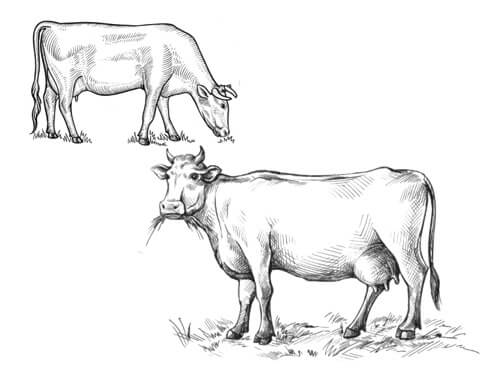
The term "grass-fed" doesn't tell the whole story. The cow may be partially outside in the summer eating fresh grass, while most of the time she is in the barn and fed concentrate. 100% grass-fed, that's the Modern Native way of doing things. They only work with farmers whose cattle meet the above points. The organs are obtained from cattle in the Netherlands.
Beloved by our ancestors
Traditional peoples, Native Americans, and ancient ancestors believed that consuming the organs of a healthy animal would promote the health of the individual's organ. They ate "from head to tail", i.e. everything from the animal, because they intuitively knew how nutritionally rich the meat from the organs was.

.jpg)