What is abrasiveness in toothpaste?
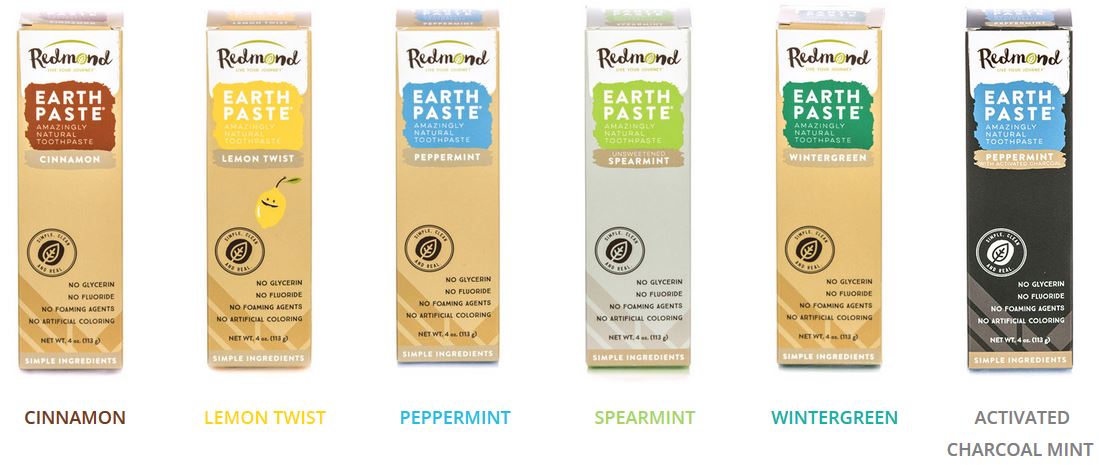
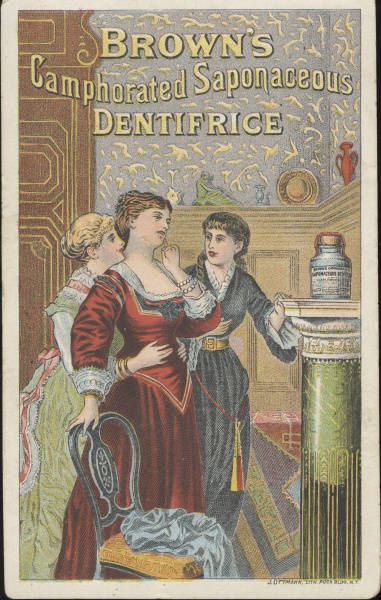
When we at Redmond finally decided to turn our really (and we mean really) natural toothpaste into Earthpaste, we came across a new word: dentifrice. (A few of us already knew the term, but those of us who had ordinary childhoods were hearing it for the first time). Dentifrice is a technical, old-fashioned term for any paste or powder used to clean teeth. In other words, toothpaste.



In a hurry?
The short answer is: Earthpaste has an RDA value of 130 and a pH of 9.7.
If you have a little more time, read on. We take a look at how the Tooth Fairy makes her money and explain why the pH of your toothpaste matters.
Every toothpaste, whether you call it a dentifrice, Earthpaste or a bright blue gel, goes through standard tests to determine how abrasive it is. The tests work more or less like this: someone wearing rubber gloves and safety glasses takes a human tooth from which the enamel has been removed. (Where do all these teeth come from? We don't know, but if you'd like to add a touch of realism to the Tooth Fairy story, you could work this detail into it. Practical-minded kids are sure to appreciate an explanation of where the Tooth Fairy's income comes from.)
In any case, once the Tooth Fairy (or someone else) delivers the teeth to the laboratory and the scientists remove the enamel, the tooth is exposed to mild neutron radiation and then brushed with a special toothbrush. The remaining water contains radiation from the unfortunate tooth, which is measured to determine a value known as relative dentin abrasivity, or the RDA index (sometimes referred to as radioactive dentin abrasion). Essentially, these tests measure how much irradiated dentin enters the water after several types of toothpaste are applied to the tooth.
Participation in this programme is voluntary, and some experts have pointed out that knowing the RDA index is almost meaningless unless you also measure the effect of the toothpaste on tooth enamel. That makes sense, since we all have enamel on our teeth when we brush them, but the RDA index has nevertheless become a standard measure. The American Dental Association recommends dentifrices with a maximum RDA value of 250, although we have never come across a toothpaste anywhere near that level. As far as we know, the product with the highest value is a Colgate super ultra-whitening toothpaste with an RDA index of 200 – by comparison, ordinary baking soda has an RDA value of 7.
According to tests by an independent laboratory, Earthpaste has an RDA value of 130. With all the enthusiasm you might expect from a scientific laboratory, it stated that “this is a dentifrice typical of today's market and clearly falls within accepted standards.”
Some companies use the RDA index to promote their products, which is understandable. You may have heard that lower RDA values are better for your teeth, but if you still have enamel protecting the dentin, there is less reason to worry. Research from 2004 found that dentifrices with a low (acidic) pH caused “increased enamel abrasion, greater than would be expected from a product with that RDA value”.
In other words, if you're concerned that an abrasive toothpaste could damage your tooth enamel, it may be worth looking for a toothpaste with a high pH.
And did we mention that Earthpaste has a pH of around 9.7? We shouldn't boast too much – we're only relying on nature and what it can do – but that is a very high value indeed!