
80% chocolate for cooking and baking - milk cocoa from the Sambirano Valley • smooth texture • for baking, coatings and pralines • 10 × 100 g
Fine milk chocolate for cooking and baking with 80 % cocoa combines a high proportion of Madagascan cocoa with full-fat milk. It has a smooth, creamy texture with raisin, citrus, chocolate and banana notes.
It contains only cocoa, natural cocoa butter, full-fat milk and cane sugar; added sugar accounts for 6 %. Use it for pralines, ganache, coatings, baking and chocolate drinks. It can also be tempered for a smooth, glossy finish.


Chocolat Madagascar – milk chocolate for cooking and baking with 80% cocoa
Milk couverture with 80% cocoa works well for confectionery and for eating on its own. The high cocoa content is balanced with whole cow's milk and a small amount of cane sugar, keeping the flavour distinctly cocoa-led while giving it a smoother texture than dark chocolate with a comparable cocoa percentage.
The flavour profile combines creamy, raisin, citrus, chocolate and banana notes. The chocolate has a light reddish-brown colour, a smooth texture and a long finish.
It contains only Madagascan cocoa beans, natural cocoa butter from Madagascar, whole cow's milk powder and cane sugar. Cocoa solids make up at least 80%, with 6% added cane sugar. The recipe contains no lecithin, added flavourings or preservatives.
The cocoa is not alkalised and the cocoa butter is not deodorised. For tempering, heat the milk couverture to 45 °C, cool it to 27 °C for crystallisation and work with it at 30–31 °C.
In the kitchen, use it for pralines, ganache, coatings, bars, baking and chocolate drinks. The high cocoa content works particularly well where you want the chocolate flavour to remain pronounced after combining it with cream, dough or other ingredients.
The chocolate is made in Madagascar, from processing the cocoa through to the finished product. This production model keeps a larger share of the processing and added value in the country where the cocoa is grown.
Sources and references
- Chocolat Madagascar – Fine Milk Chocolate 80% Cocoa – ingredients, flavour profile, allergens and processing method.
- Chocolat Madagascar – Couvertures & Cocoa Ingredients – cocoa content, proportion of added sugar and tempering temperatures.
- Chocolat Madagascar – Grown and Crafted at Origin – cocoa origin, fermentation, processing and chocolate production in Madagascar.
Product information has been checked against official materials from Chocolat Madagascar.
PraveBio.cz articles on chocolate
Suitable for
Pravé Bio recommends what to try next
- 50% milk chocolate from Madagascar
A smoother milk chocolate. The lower cocoa content and sweeter profile work well in desserts where you want a more pronounced milky flavour. - 70% organic dark chocolate from Madagascar
Milk-free. Dark couverture with pronounced Madagascan cocoa for baking, pralines and chocolate drinks.
Quick tip: Compare the 80% milk chocolate with the 50% milk and 70% dark versions. The difference in cocoa and milk content is easy to notice both when tasting the chocolate on its own and when using the same recipe.
Awards for Chocolat Madagascar 80% milk chocolate
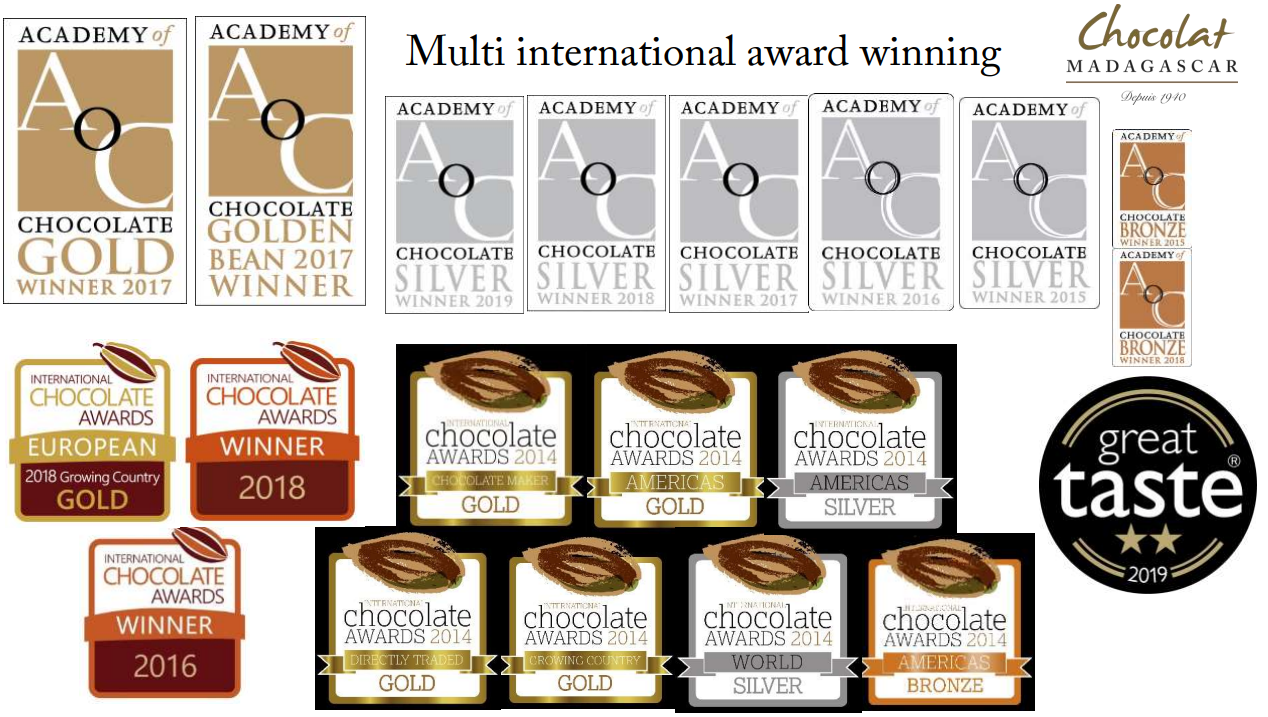
Fine Milk Chocolate 80 % Cocoa won bronze at the Academy of Chocolate 2018. In 2019, it also received two Great Taste stars.
These awards relate directly to this high-cocoa milk chocolate and complement its specific product details: 80 % cocoa, a simple four-ingredient recipe and production in the country of origin.
Chocolat Madagascar has received awards across its dark, milk, vegan and plantation chocolates. For the selection at PraveBio.cz, the main considerations are traceable cocoa origin, processing methods and transparent recipes.
Milk chocolate with 80 % cocoa – key benefits
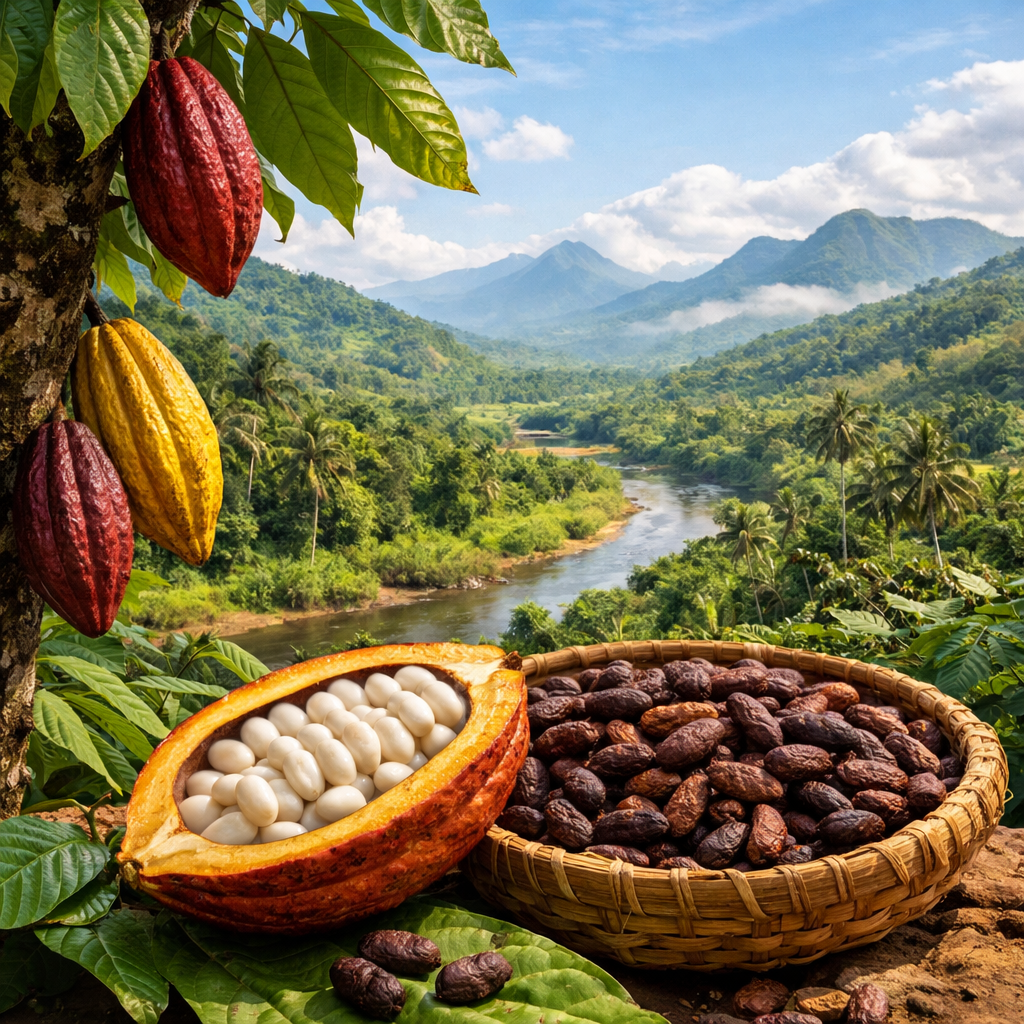
Chocolat Madagascar 80% milk couverture combines a high cocoa content with the smoothness of whole milk. Four ingredients provide precise control over both flavour and the way the chocolate behaves during confectionery work.
- 80 % cocoa – pronounced cocoa flavour even after combining with other ingredients.
- 6 % added sugar – sweetness takes a back seat to the cocoa and milk.
- Only four ingredients – cocoa, cocoa butter, whole milk and cane sugar.
- Non-deodorised cocoa butter – retains the natural character of Madagascan cocoa.
- No alkalisation or added flavourings – the flavour does not come from chemical processing or vanilla.
- Works well for tempering – working temperature of 30–31 °C for bars, pralines and coatings.
- Award-winning chocolate – Academy of Chocolate 2018 and Great Taste 2019.
The result is a high-cocoa milk chocolate that retains a creamy texture while offering a much more intense cocoa profile than a standard sweet milk chocolate bar.
From Madagascan cocoa to chocolate made at origin
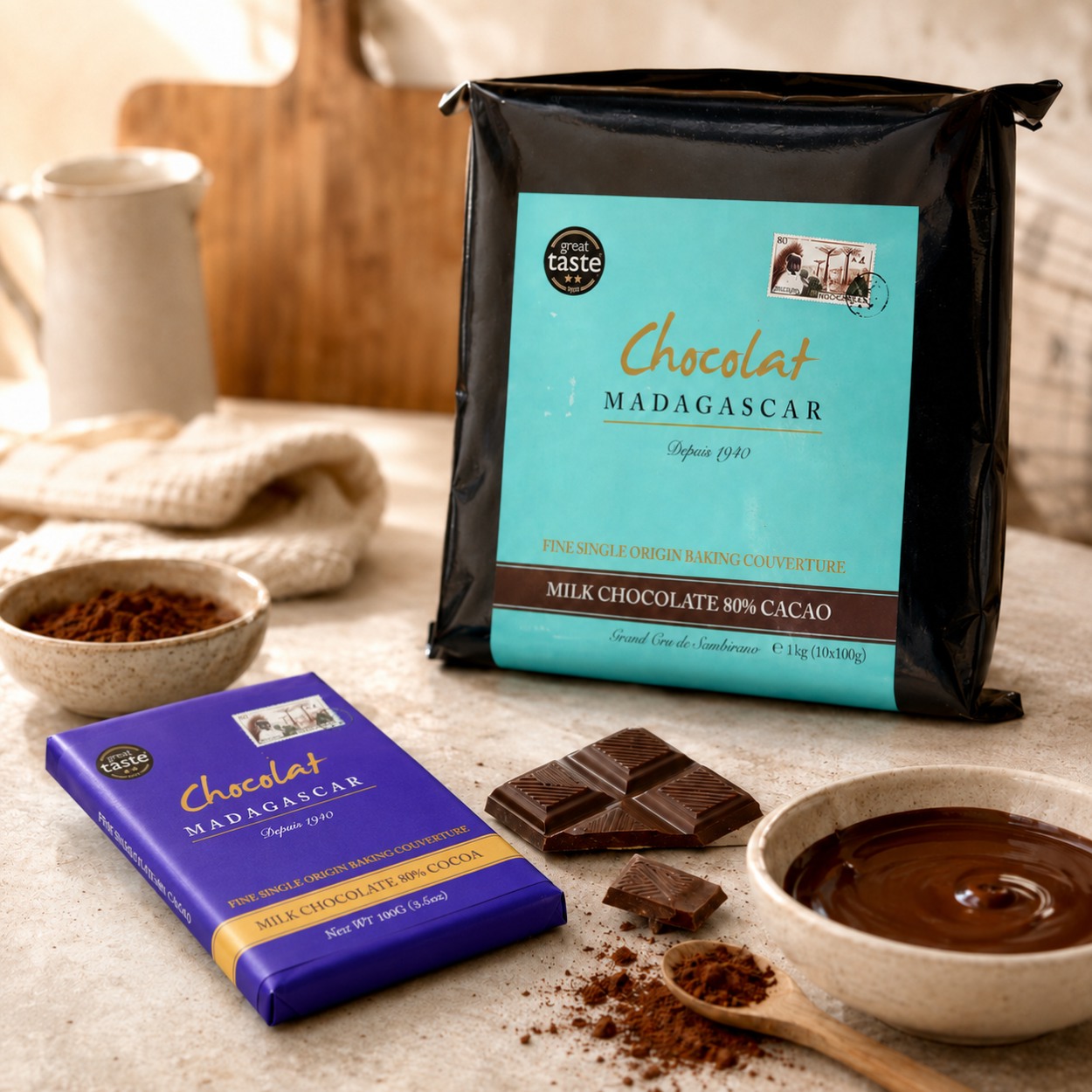
Chocolat Madagascar's fine cocoa comes from Madagascar, where Criollo, Trinitario and Forastero varieties and their local hybrids are grown. Madagascan cocoa is particularly known for its fruit, cherry and citrus notes.
After harvesting, the beans undergo controlled fermentation and drying. The dried beans are then taken to the chocolate factory in Madagascar within a few days, rather than spending months travelling as a raw material to another country.
The cocoa is processed without alkalisation. The cocoa butter is not deodorised, and the chocolate is finely ground and conched; the final particle size is below 20 µm, giving it the smooth texture expected of a couverture.
Making the finished chocolate directly in Madagascar forms part of the Raise Trade model. Rather than exporting only unprocessed cocoa, some of the work, expertise and added value remain in the country of origin.
How the 80% version differs from standard milk chocolate
The clearest difference is the cocoa content. This milk chocolate contains at least 80 % cocoa solids, while the legal minimum for milk chocolate is considerably lower.
The second difference is the 6 % added cane sugar. This leaves the cocoa and milk at the centre of the recipe rather than relying on a high proportion of sweetener.
There are only cocoa, cocoa butter, whole milk and cane sugar in the recipe. This version contains no added lecithin, vanilla or other flavourings, and the cocoa is not alkalised.
The result is a milk chocolate for those who want the creamy texture of milk chocolate with a considerably more intense cocoa profile.
Why choose Chocolat Madagascar
Consistent quality through control of the whole process: growing, fermentation, drying, roasting and production all take place in one country. Every batch clearly states the cocoa percentage and origin, making it easier to choose by flavour and intensity.
A range of flavour profiles: from smooth milk bars through balanced 70 % chocolate to 85–100 % cocoa. The range includes single origin chocolate and, in selected editions, single plantation chocolate for exploring differences between regions.
Transparent labels and straightforward information: clearly stated allergens, ingredient origins and concise ingredient lists. Part of the range is lecithin-free, while selected bars use sunflower lecithin for texture – all clearly declared.
Versatile in the kitchen: thanks to their consistent cocoa butter content, the bars work well for baking, desserts and tasting. Consistent flavour across different cocoa percentages also makes pairing with coffee or fruit and temperature control during tempering more straightforward.

Bean-to-bar directly in Madagascar
Production from bean to bar in Antananarivo. The result is chocolate with a traceable origin and full control over processing.
Single-origin flavour of place
Cocoa from one location (often Sambirano) brings naturally fruity and, at times, citrus notes – rather than a blend from many countries.
Short, clear ingredients list
Only cocoa, cocoa butter, cane sugar (and milk in milk chocolate). No vanillin, unnecessary additives or alkalisation.
Freshness from a shorter journey
Prompt processing after harvest, careful fermentation and gentle methods result in a clean aroma and full flavour.
Ingredients
Madagascan cocoa beans, natural cocoa butter from Madagascar, whole cow's MILK powder, cane sugar. Cocoa solids at least 80 %.
Contains MILK. Made in a facility that also processes CASHEW NUTS. Allergens are shown in bold.
Nutritional values
| Typical values | per 100 g | What does this mean for you? |
|---|---|---|
| Energy | 2683 kJ / 641 kcal | Energy-dense chocolate – when baking or making pralines, a smaller amount is usually enough to give a pronounced cocoa flavour. |
| Fat | 58 g | The high fat content mainly reflects the cocoa butter and whole milk, which affect how the chocolate melts and its creamy texture. |
| – of which saturates | 35 g | Saturated fats come from the naturally occurring fats in cocoa and whole milk. |
| Carbohydrate | 19 g | Compared with standard milk chocolate, the recipe contains less carbohydrate because of its high cocoa content. |
| – of which sugars | 11 g | The sugars come from cane sugar and naturally occurring milk sugar. |
| Fibre | 10 g | The notable fibre content naturally reflects the high proportion of cocoa beans. |
| Protein | 13 g | The protein comes mainly from cocoa beans and whole milk. |
| Salt | 0.15 g | Low in salt – the flavour comes primarily from cocoa, milk and a small amount of cane sugar. |
Ingredient breakdown and functional benefits
Madagascan cocoa beans
What it is: The main cocoa ingredient from which cocoa mass is made.
Function: Provides the chocolate's main cocoa flavour, colour and aromatic profile.
Benefits: The high cocoa content keeps the flavour pronounced when used in ganache, baked goods or drinks.Natural cocoa butter from Madagascar
What it is: The natural fat obtained from cocoa beans; Chocolat Madagascar does not deodorise it.
Function: Affects melting, fluidity and the structure of the chocolate during tempering.
Benefits: Contributes to a smooth texture and works well for coatings, bars and pralines.Whole cow's milk powder
What it is: The milk component of this high-cocoa couverture.
Function: Softens the intensity of the cocoa and creates a creamier flavour profile.
Benefits: Combines an 80% cocoa content with the characteristic smoothness of milk chocolate.Cane sugar
What it is: The only added sweetener in the recipe.
Function: Balances the acidic and bitter notes of the cocoa.
Benefits: Added sugar makes up only 6 %, so the finished profile remains distinctly cocoa-led.
The result? This four-ingredient milk chocolate with 80 % cocoa has a creamy texture, a low proportion of added sugar and a flavour in which Madagascan cocoa remains the main element.
Important information
- Store at a stable temperature of around 12–20 °C, away from direct sunlight.
- Keep in a dry environment; recommended relative humidity is no more than 70 %.
- Protect the chocolate from surrounding odours and keep it in well-sealed packaging once opened.
- At temperatures above approximately 24 °C, cocoa butter may separate on the surface and form a whitish bloom.
- Allergens: contains MILK. Made in a facility that also processes CASHEW NUTS.
- Keep the chocolate away from water when melting; moisture can make it grainy and lumpy.
FAQ
Is 80% milk chocolate suitable for baking and confectionery work?
Yes. This is a couverture for pralines, bars, ganache, coatings, baking and chocolate drinks. The high cocoa content keeps the chocolate flavour pronounced even after combining it with other ingredients.

How much added sugar does it contain?
The recipe contains 6 % added cane sugar. This figure refers to added sugar, not the total amount of sugars shown in the nutritional table.
What does milk chocolate with 80 % cocoa taste like?
It has a smooth, creamy profile with raisin, citrus, chocolate and banana notes. Its high cocoa content gives it a more pronounced and less sweet flavour than standard milk chocolate.
How do I temper 80% milk couverture?
For milk chocolate with 40–80 % cocoa, melt at 45 °C, then cool to 27 °C for crystallisation and work at 30–31 °C.
Does it contain lecithin or added vanilla?
No. The 80% version contains only cocoa, cocoa butter, whole milk and cane sugar. Lecithin and added vanilla are not part of this recipe.
Is this 80% milk chocolate organic?
The current product information for this specific 80% milk version does not state an organic certification. We therefore do not describe it as organic in this PraveBio.cz product description.
Where is Chocolat Madagascar made?
The cocoa is processed and the finished chocolate is made directly in Madagascar. The brand describes this as production at origin and links it with the Raise Trade principle.
How should I store the chocolate?
Store it away from direct sunlight at a stable temperature of around 12–20 °C, in a dry place and away from surrounding odours. Once opened, keep it in well-sealed packaging, as cocoa butter readily absorbs nearby aromas.
Additional parameters
| Category: | Milk chocolate |
|---|---|
| EAN: | 659436909717 |
| Manufacturer: | Chocolat Madagascar |
| Country of origin: | Údolí Sambirano, Madagaskar |
| Vhodné pro: | gluten free-soy free-lactose free-gmo free-breastfeeding |
| Size: | 1 kg |
About Chocolate Madagascar
Growing fine rare cacao and freshly crafting into fine milk chocolate in Madagascar
Chocolat Madagascar - Fine, Fresh and Fair
Product rating
Be the first who will post an article to this item!
Discussion
Be the first who will post an article to this item!
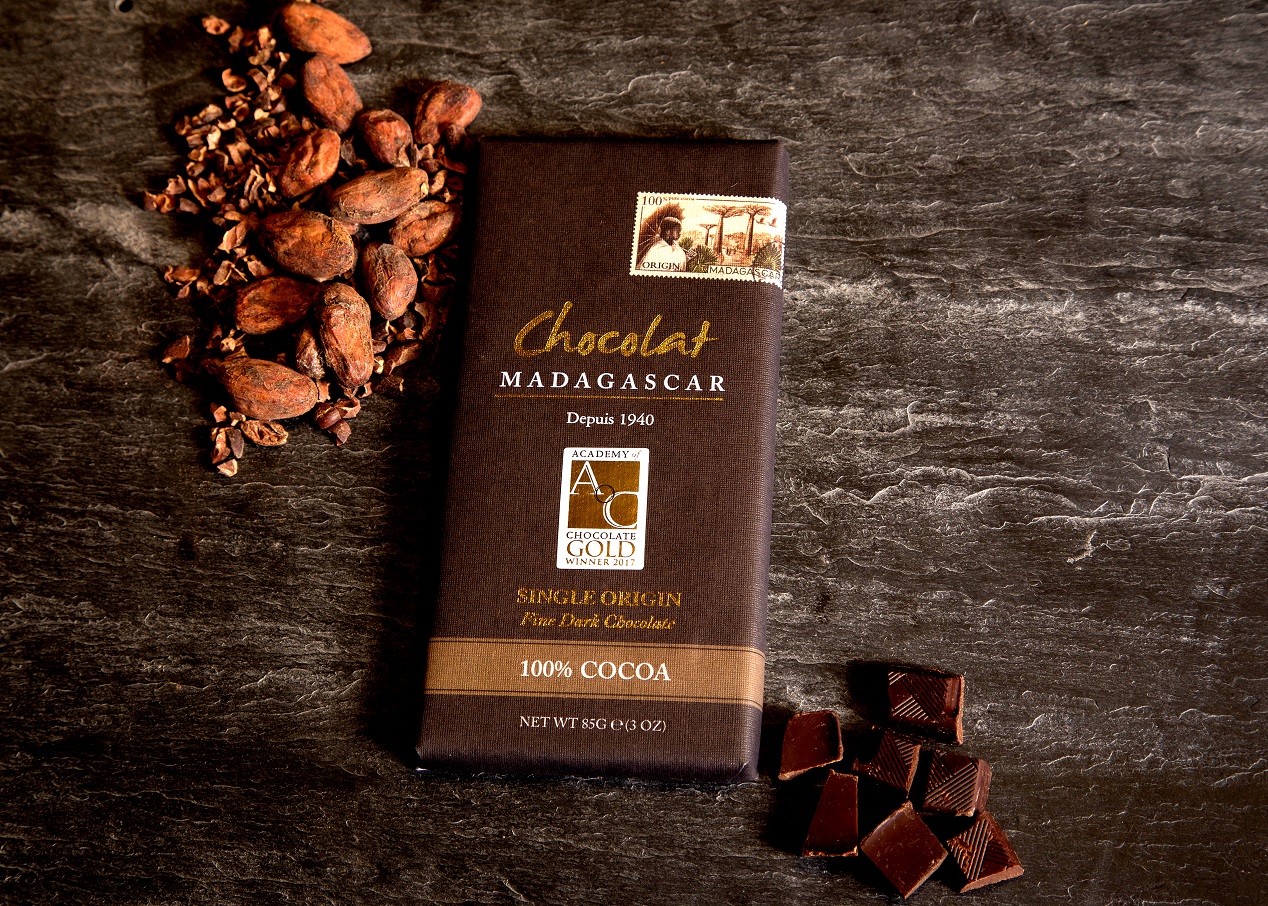
Chocolat Madagascar is a small chocolate manufactory that produces its chocolates from the finest organic cocoa beans directly in Madagascar. The taste and quality of its products have already earned it a number of awards in competitions around the world, such as absolute wins in the Golden Bean Award in 2017 and 2020 and the Shining Bright Award 2020 or in Finest Origin. Vegans, lovers of high-percentage chocolates and those who like to eat white chocolates can choose from their offer.
How are Chocolat Madagascar's chocolates different?
Indescribable taste
Thanks to the unique environment of the Madagascan rainforest, the soil and the climate, the cocoa beans grown here have a very specific flavour profile full of fruity notes - they taste of forest fruits, cherries and citrus. Chocolat Madagascar have a naturally very complex taste, without unwanted bitterness, and do not need to be flavored or chemically treated with alkalization.
Maximum freshness
Unlike most chocolate factories, Chocolat Madagascar is located close to cocoa plantations. The fermentation and drying of the cocoa beans takes place within a few days of harvest (other chocolate companies make chocolates from cocoa beans that are often a few years old). Thanks to this, cocoa beans retain the highest possible proportion of active substances, mainly flavonoids.
Sustainability
Cocoa beans are grown organically, so they do not harm the environment with unnecessary pesticides, herbicides or fertilizers. On the contrary, they create a safe haven in the rainforest environment for Madagascar's endangered species.
Raise trade
Chocolat Madagascar buys its cocoa beans from small farmers who harvest them in the Sambirano Valley in north-west Madagascar. It pays them premium prices, which raises their standard of living. Further processing of cocoa, including the actual production of chocolates, also takes place in Madagascar. This provides a further not inconsiderable boost to the island's economy. This support increases the quality of education and skills of employees and their families, ultimately leading to increased wealth and support for this nation. It is thereforefair trade at the highest possible level - raise trade.


