Why all chewing gum is not created equal
Chewing gum is one of those classic impulse buys. Most of us know the feeling of standing in a long checkout queue and reaching for a packet from the display beside the till. Advertising also constantly tells us that chewing gum is good for oral health and essential for fresh, pleasant breath. But conventional chewing gum is not quite as harmless as it might seem.

So what does conventional chewing gum contain? What impact does it have on pollution and the environment? And how can you chew gum in a healthier, more environmentally conscious way? Read the full article :).
What does conventional chewing gum contain?
Most conventional chewing gum is based on synthetic plastic polymers that do not break down in nature. At a time when the impact of plastics on health is being widely discussed and we are trying to reduce their use as much as possible, chewing them does not seem particularly appealing. And I don't know about you, but the idea of chewing what is essentially a piece of plastic for several hours is not especially pleasant :).
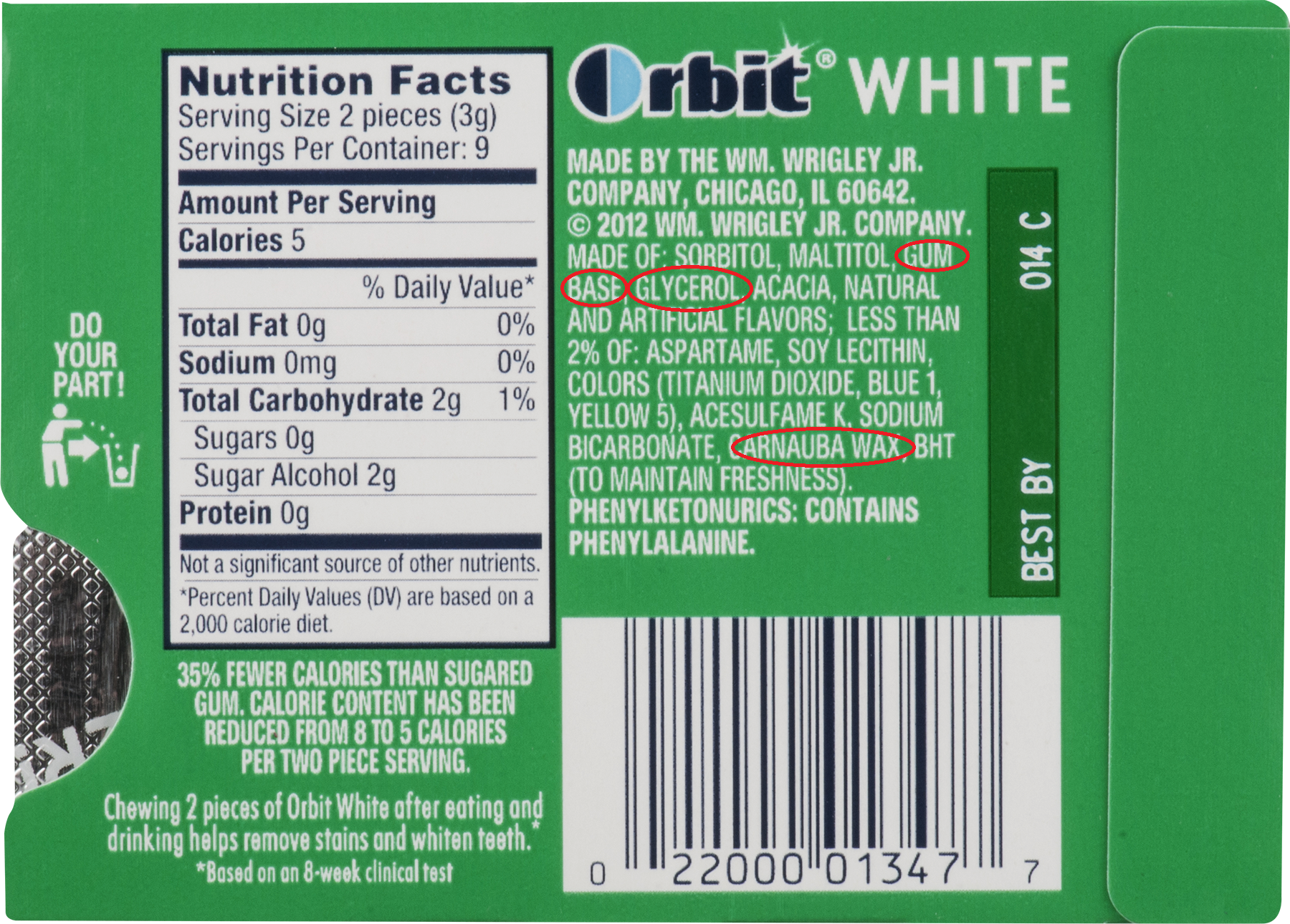
Alongside the synthetic plastic gum base, conventional chewing gum can also contain ingredients such as:
Aspartame
Aspartame is still a widely used artificial sweetener. More than 85 % of conventional chewing gum brands continue to use it. This artificial sweetener has been associated with more than a hundred different health problems and conditions, including Alzheimer's disease, birth defects, cancer, brain tumours, and behavioural and learning difficulties in kids, among many others.
BHT (Butylated Hydroxytoluene)
The use of BHT has been banned because of concerns about toxicity in many European countries, as well as Australia, Canada, Japan and New Zealand. However, it is still permitted in the USA and some other countries, so it is worth checking imported products in particular. BHT is used as a preservative in highly processed foods, including chewing gum. It has been associated with hyperactivity in kids and organ-system toxicity, including liver and kidney damage, and is also being investigated as a possible carcinogen.
Calcium Casein Peptone (calcium phosphate)
This ingredient often appears in sugar-free chewing gum. It is used to improve texture and whiten chewing gum. CCP is a highly processed milk derivative. There are still very few scientific studies on this ingredient, but it has been associated with the Chinese infant formula contamination scandal.
Acesulfame K (Acesulfame Potassium)
Acesulfame K is another synthetic sweetener. It is a potassium salt associated with methylene chloride, a known carcinogen. Reported adverse effects include kidney and liver damage, mood problems, headaches, nausea and impaired vision.
Titanium Dioxide
Titanium dioxide has been associated with autoimmune disorders, Crohn's disease and asthma, and is considered a possible carcinogen. It is most commonly used as a colouring in chewing gum and confectionery, with chewing gum among the foods containing the highest concentrations of titanium dioxide.
These ingredients may have a negative effect on health. It is therefore worth reading the ingredients carefully or, better still, avoiding conventional chewing gum altogether and choosing a natural alternative.
Chewing gum as a major source of non-biodegradable waste
Many people chew gum every day to freshen their breath, as a way to help when giving up smoking, simply because they enjoy chewing it, or because kids like competing to see who can blow the biggest bubble. What fewer people realise is that chewing gum is reportedly one of the most common forms of litter after cigarette butts. Conventional chewing gum does not biodegrade in nature, and around 80–90 % of used gum is not even thrown into a bin. Instead, much of it is simply spat onto the ground or pavement. Removing gum stuck to paving is an expensive process for towns and cities, while discarded gum also contributes to environmental pollution and may enter the food chain.
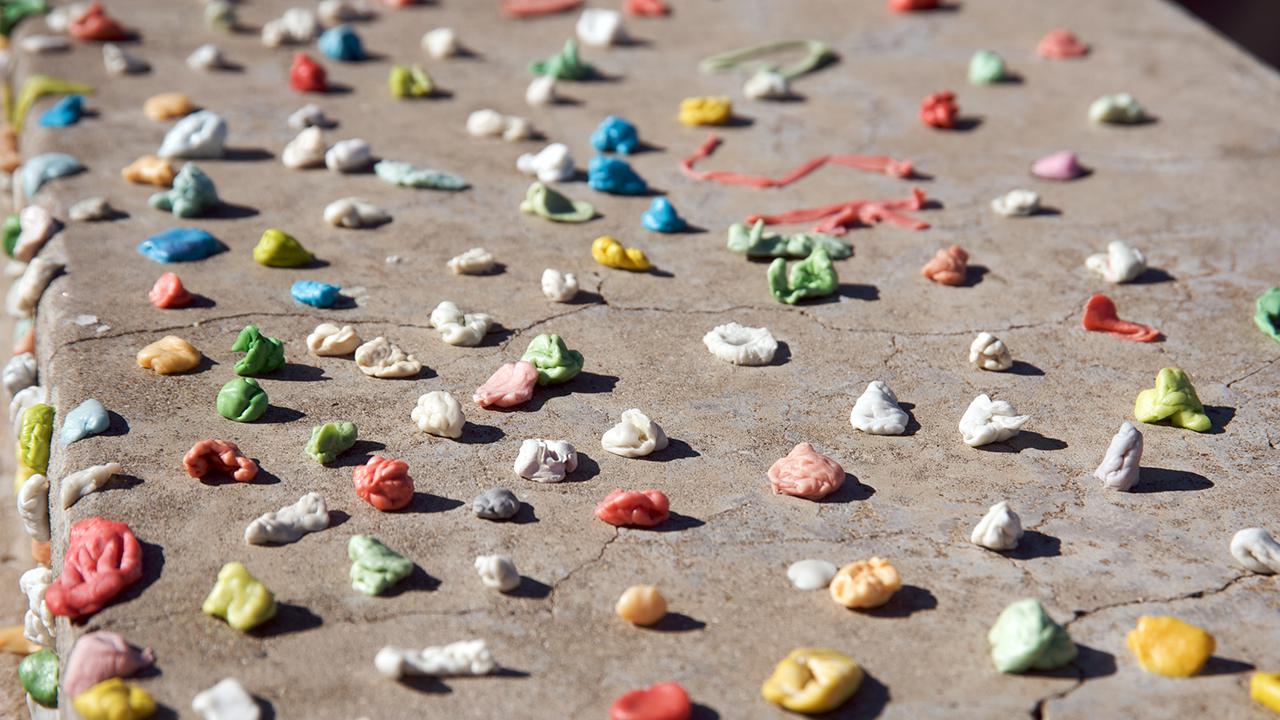
It presents a similar problem to microplastics. Traces of synthetic polymers, the same type of materials commonly used as a base for conventional chewing gum, have been found in fish. These substances can gradually accumulate in fish and other aquatic animals and contribute to toxicity. And eventually, they may end up on our plates… A good reminder that what we put into the world has a way of coming back to us, whether good or bad :).
One more reason to choose natural, biodegradable chewing gum.
What makes Two Wise Chimps different?
Two Wise Chimps chewing gum contains no plastic or synthetic additives, artificial flavours, colourings or preservatives. It is gluten-free and suitable for vegans. It is based on a natural plant gum obtained from the zapota tree, which grows in the Mexican rainforest. This natural gum is known as chicle. It is similar to rubber and makes the chewing gum completely biodegradable. It is harvested carefully, with the trees given enough time to recover fully after their bark is cut and the sap collected before they are harvested again, so there is no need to fell them.
Two Wise Chimps chewing gum is sweetened with xylitol, a natural sweetener most commonly obtained from birch. This natural sweetener contains up to 40 % fewer calories than ordinary sugar. Insulin is not required for its metabolism, making it suitable for people with diabetes. Unlike conventional sugar, xylitol does not encourage the growth of cavity-causing bacteria in the mouth. Instead, it helps reduce these bacteria, decreases plaque formation and increases saliva production, helping to limit the growth of fungi and bacteria and reduce the risk of tooth decay.
Two Wise Chimps – a playful food supplement in chewing gum form
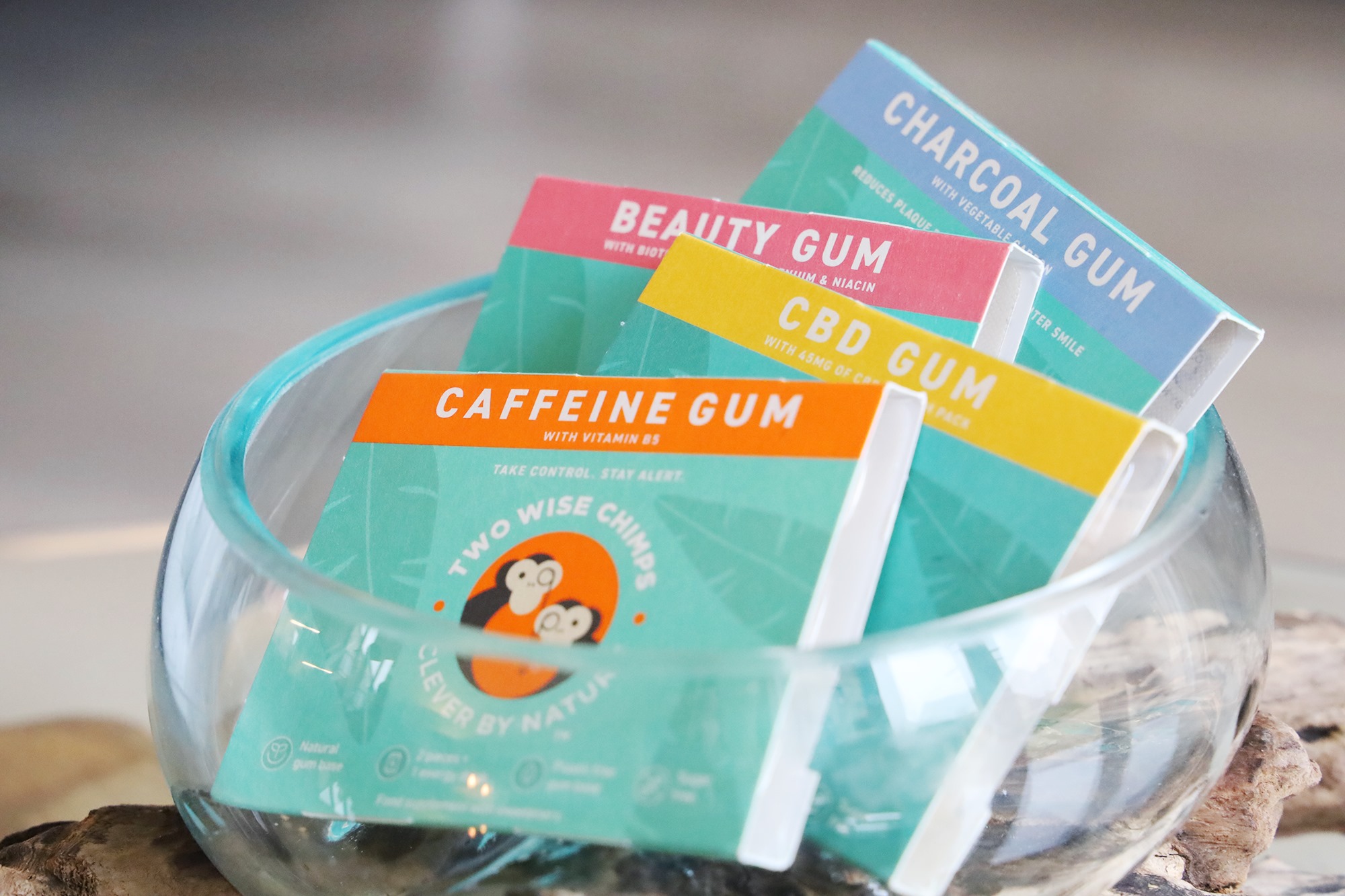
Two Wise Chimps is more than ordinary chewing gum. The range includes 4 varieties, each with an additional functional ingredient, so you could describe them as food supplements in an unusual and playful form.
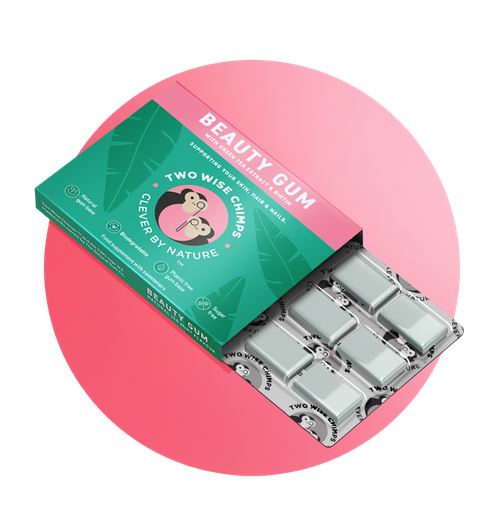
Beauty Gum – this variety is enriched with biotin, selenium, niacin (vitamin B3) and green tea extract. These micronutrients are important for healthy-looking skin and support normal hair and nail growth and condition. Green tea contains antioxidants that help the skin deal with the effects of free radicals and therefore support healthy ageing. Selenium is sometimes known as a beauty mineral. It is a powerful antioxidant, has anti-inflammatory properties, supports healing and helps protect cells from oxidative stress. The vitamin is important for maintaining normal skin hydration, supports acne-prone skin and may also help with the appearance of rosacea. It also supports fibroblast production and therefore skin elasticity.
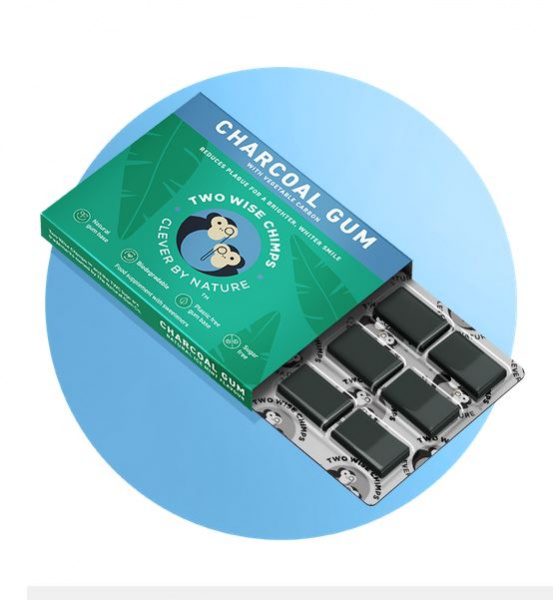
Activated Charcoal Gum – has a naturally whitening effect, helping to reduce yellowing of the teeth, limit plaque build-up, support the gums and keep breath fresh for longer. It helps maintain teeth and gums in good condition.
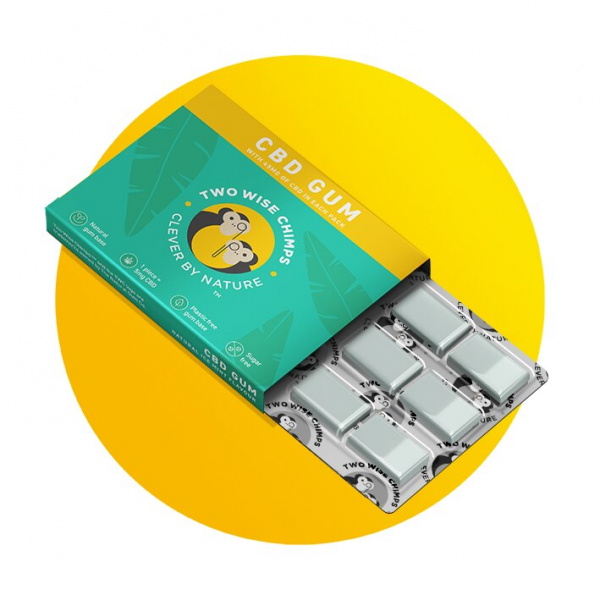
CannaBidiol Gum – offers an original, playful and practical way to incorporate this hemp extract into your everyday routine. As you chew, CannaBiDiol is released into the mouth, allowing sublingual absorption under the tongue. Each piece contains 5 mg of highly purified CannaBiDiol. It is a convenient way to supplement this extract every day. Its compact size makes it easy to keep in a handbag, ready whenever you need it.
Caffeine Gum – well suited to professional drivers, students, people doing mentally demanding work and anyone who needs a small energy boost during the day :). It helps reduce tiredness and supports concentration whenever you need it. Alongside caffeine, it is enriched with vitamin B5, which contributes to normal energy metabolism and can be useful during periods of stress. This chewing gum offers an alternative to sugar-laden energy drinks, or to a good cup of coffee when you simply do not have time to make and enjoy one. Each piece contains 40 mg of caffeine and 6 mg of vitamin B5, a combination that supports energy, alertness and concentration. A complete 9-piece pack contains approximately the same amount of caffeine as 5 standard energy drinks.
Alongside the specific properties of the different Two Wise Chimps varieties, they still work as ordinary chewing gum, helping maintain teeth and gums in good condition while freshening the breath.