
Are you familiar with medicinal mushrooms?
Mushrooms are often underestimated because they are said to have little or no nutritional value. Unfortunately, this is simply a widespread myth. It is true that mushrooms themselves are low in calories and cannot boast the same rich colours (which, in many foods, indicate an abundance of antioxidants and other nutrients) as blueberries or beetroot, for example. Despite their understated, neutral shades of brown and beige, mushrooms contain an impressive concentration of nutrients and active compounds, some of which are difficult to find in the same form in other foods. Today, however, we are not here to talk about the familiar mushrooms we all know. We mean so-called functional mushrooms, whose remarkable potential may surprise you.
But first, let's start at the beginning.
What exactly are mushrooms – plants or animals?
.png) Although we commonly group mushrooms with vegetables, classifying them is not quite so straightforward. For a long time, scientists classified fungi as plants, but it was later discovered that fungi are in fact more closely related to animals and have relatively little in common with plants – they differ in appearance, body structure, chemical composition and the way they live. Unlike plants, they have no conventional roots or leaves, do not flower and do not photosynthesise. They share certain characteristics with animals, including the presence of chitin (as found in insects) and the biologically active compound serotonin. However, fungi do not fit neatly into the animal kingdom either, which is why they have their own distinct biological kingdom.
Although we commonly group mushrooms with vegetables, classifying them is not quite so straightforward. For a long time, scientists classified fungi as plants, but it was later discovered that fungi are in fact more closely related to animals and have relatively little in common with plants – they differ in appearance, body structure, chemical composition and the way they live. Unlike plants, they have no conventional roots or leaves, do not flower and do not photosynthesise. They share certain characteristics with animals, including the presence of chitin (as found in insects) and the biologically active compound serotonin. However, fungi do not fit neatly into the animal kingdom either, which is why they have their own distinct biological kingdom.
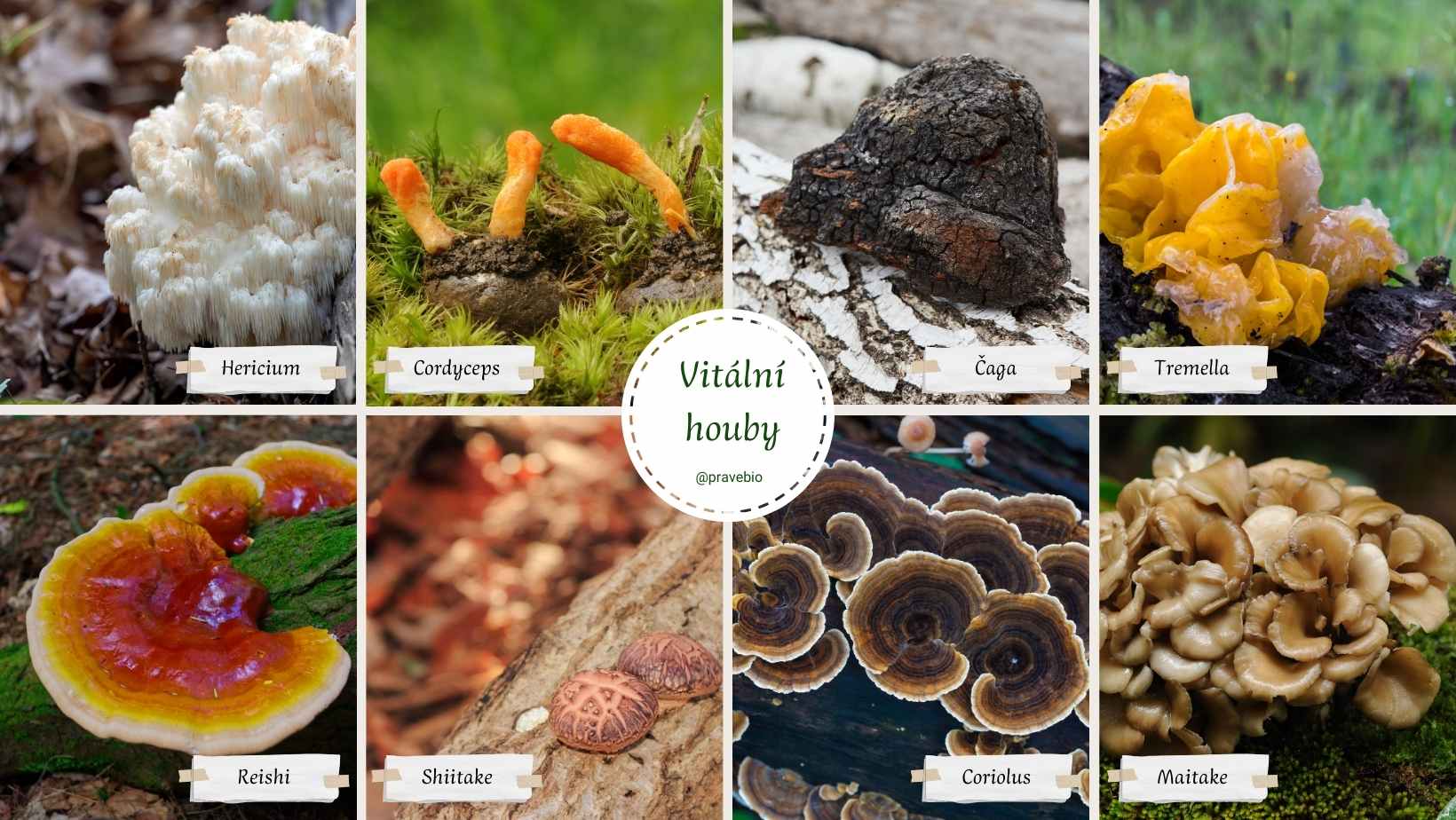
And now to functional mushrooms – functional mushrooms are also known as medicinal mushrooms, adaptogens or therapeutic mushrooms. They have traditionally been used for their potential health benefits and have particularly deep roots in practices such as traditional Chinese medicine.
What do functional mushrooms contain?
The proportion of active compounds varies between mushroom species (we will take a closer look at each of them in a future article). In general, however, mushrooms described as functional or medicinal are rich in compounds that help protect them against other fungi, bacteria and pests. Humans may also benefit from their antibacterial, antiviral and antifungal properties.
Among the most valuable nutrients found in functional mushrooms are the antioxidants ergothioneine and glutathione. These powerful antioxidant compounds help reduce oxidative stress in the body, which can damage our cells and DNA. Other important compounds include polysaccharides, including beta-glucans, which have significant immune-supporting properties.
Although functional mushrooms remain the subject of ongoing research, they are being investigated for their potential as alternatives to antibiotics, but without unwanted side effects such as disruption of the gut microbiome. They also work through different mechanisms from antibiotics, which may reduce the risk of bacteria developing resistance to them.
Other bioactive compounds include triterpenes, such as ganoderic acid, lucidenic acid and sterols. Triterpenes have demonstrated anti-inflammatory and anticancer as well as radioprotective effects. Mushrooms also contain relatively high levels of selenium, vitamin C and B vitamins, as well as vitamin D when exposed to sunlight or dried in the sun.
The most common myths about mushrooms
Hopefully, we have now dispelled the myth that mushrooms have no nutritional value. So let's take a closer look at some other common misconceptions.
.png) Myth No. 1: All mushrooms cause candidiasis (yeast infections).
Myth No. 1: All mushrooms cause candidiasis (yeast infections).
Mushrooms have a poor reputation among advocates of anti-candida diets because they are sometimes said to aggravate yeast infections. In fact, many functional mushrooms, such as shiitake, are associated with antifungal activity – they can support the immune response to pathogens, while their antifungal properties may help the body defend itself against fungi and yeasts.
Myth No. 2: Functional mushrooms can cause autoimmune diseases.
Yes, functional mushrooms can support the immune system. However, they act as true adaptogens – adapting to the body's current state and circumstances and supporting it according to its needs. They can therefore support a weakened immune system while also helping to regulate excessive immune responses. This is why they are also used as supportive supplements in the context of autoimmune conditions and allergies.
Myth No. 3: All mushrooms are poisonous.
To be fair, this myth is more widespread abroad. As a nation of enthusiastic mushroom pickers, however, we know a thing or two about which mushrooms are poisonous. There is a relatively small group of poisonous or hallucinogenic mushrooms, while the majority are non-poisonous and many can be beneficial. Naturally, you will not find poisonous species among functional mushrooms. That would make for a rather counterproductive functional mushroom :).
Myth No. 4: There are no scientific studies supporting the benefits of functional mushrooms..png) On the contrary, more than 100 thousand different studies investigating the potential benefits of functional mushrooms have been published over the past 10 years. In Asia, functional mushrooms have been recognised in traditional systems of medicine for centuries. Alongside modern research, there is therefore also a long history of traditional use, with ancient cultures having used functional mushrooms for thousands of years to support the body and help address a variety of ailments.
On the contrary, more than 100 thousand different studies investigating the potential benefits of functional mushrooms have been published over the past 10 years. In Asia, functional mushrooms have been recognised in traditional systems of medicine for centuries. Alongside modern research, there is therefore also a long history of traditional use, with ancient cultures having used functional mushrooms for thousands of years to support the body and help address a variety of ailments.
The most popular functional mushrooms and their properties
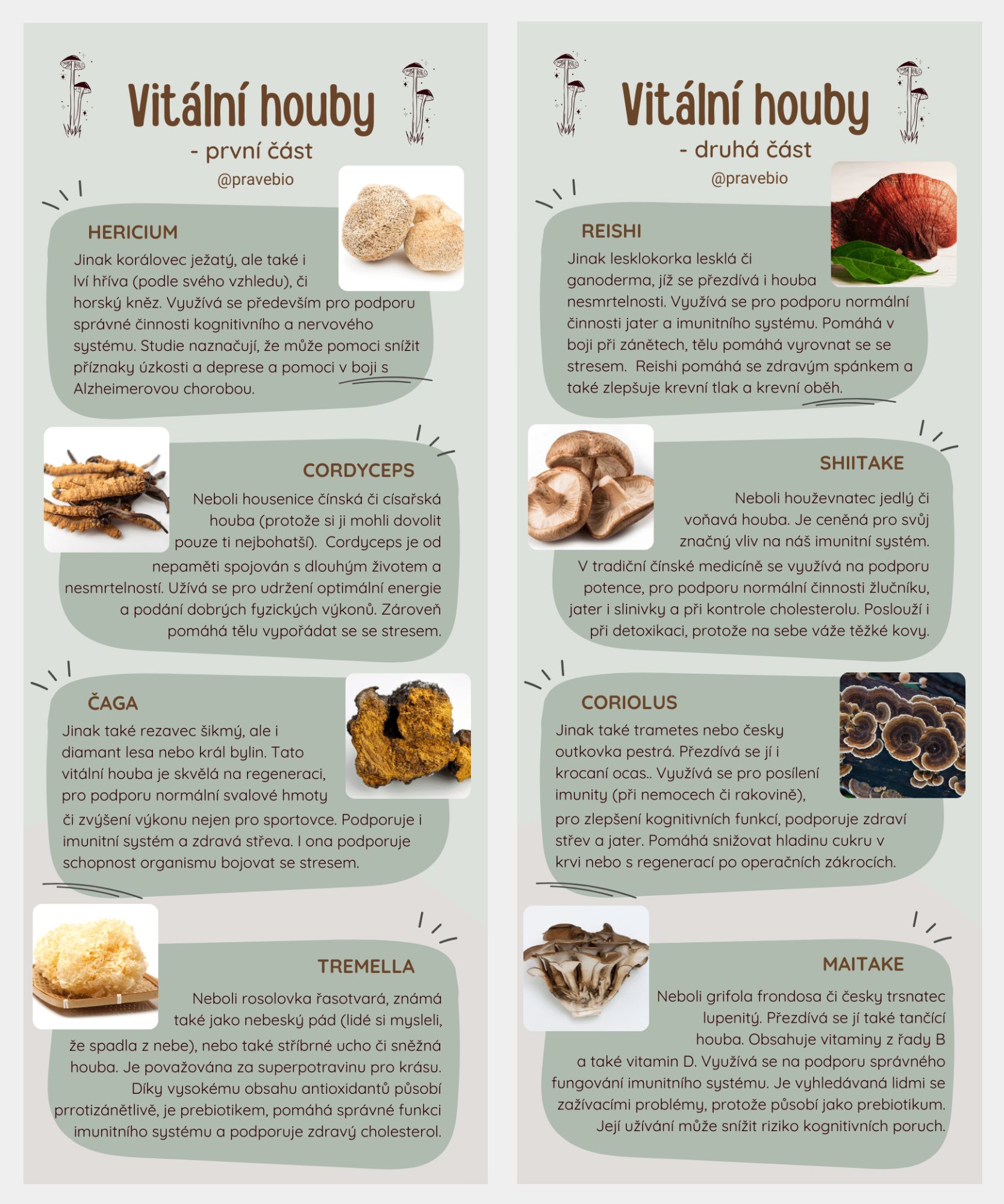
 Cordyceps (caterpillar fungus) – grows naturally around the foothills of the Himalayas and is extremely difficult to obtain. Cordyceps supports energy and physical performance, making it particularly popular with athletes and anyone exposed to increased physical demands. A number of studies have investigated the effects of cordyceps on athletic performance. A Chinese study from 2004 found that it improved oxygen utilisation in athletes by as much as 50 %.
Himalayan Sherpas are even said to swear by cordyceps, preparing it as a tea and claiming that it helps them repeatedly climb Everest without supplementary oxygen. Several studies have also suggested that cordyceps may help increase testosterone levels. Adequate testosterone levels are important not only for building muscle mass, but also for energy and healthy sexual function. Cordyceps has, after all, been used in traditional Chinese medicine since ancient times for sexual dysfunction and to support vitality.
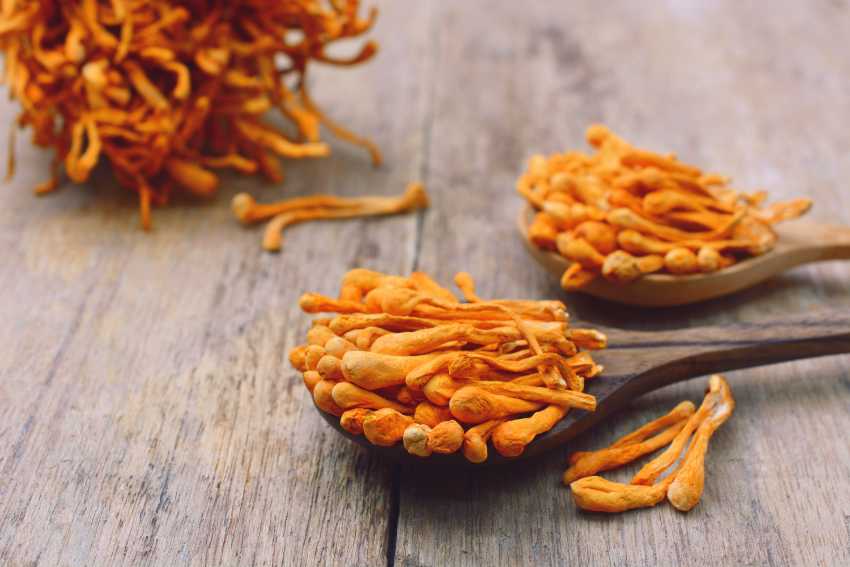
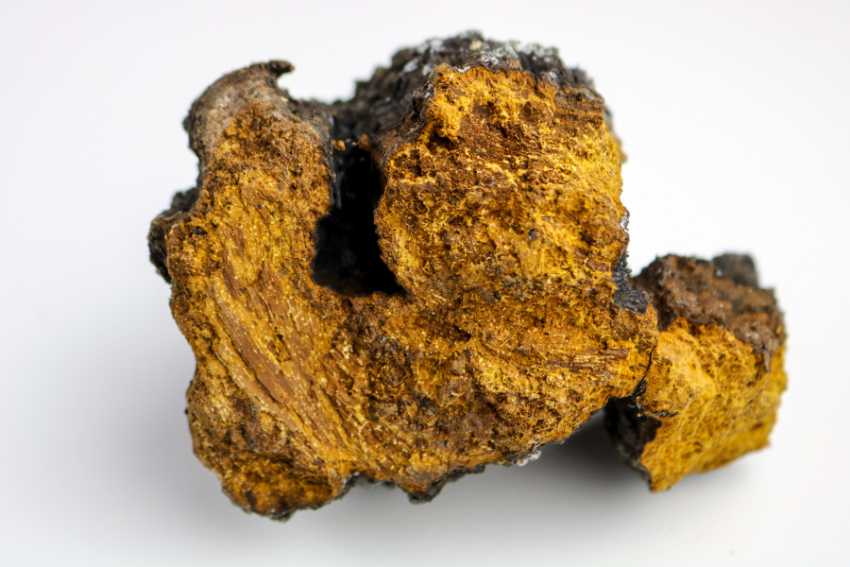 Chaga (Inonotus obliquus) – was traditionally used extensively in Russia, where it originates and grows on birch trees. At one point, it was reportedly even regarded as a Russian state secret, with the national weightlifting team relying on its properties. Chaga contains plant sterols, which are sometimes described as natural steroids. Like cordyceps, it is associated with maintaining healthy testosterone levels, steady energy throughout the day, stamina and overall vitality.
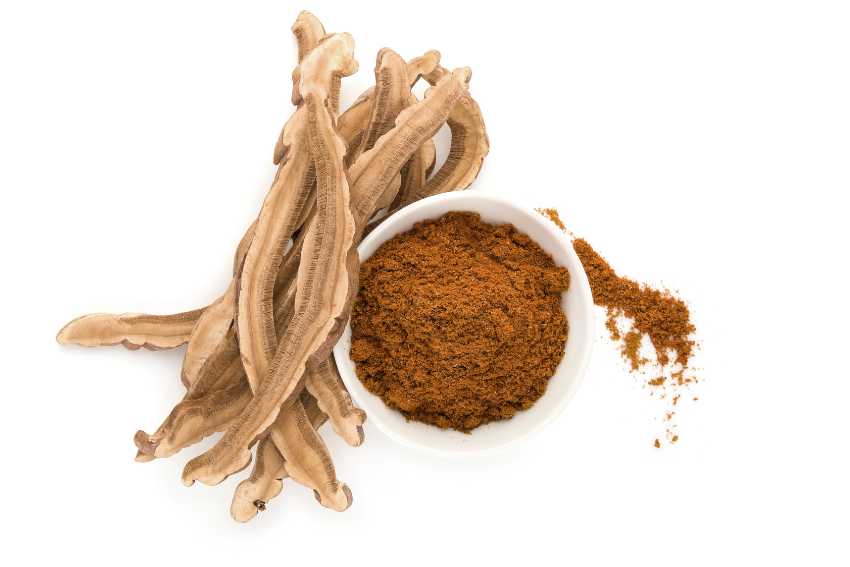 Reishi (Ganoderma lucidum) – also known as the "mushroom of immortality". It is well known for its relationship with immune function and is traditionally used to support liver function and the body's natural detoxification processes. Reishi is also valued in skincare – thanks to its high content of various antioxidants, beta-glucans and triterpenes, it supports cell renewal, hydration and elasticity. Its anti-inflammatory properties may help soothe various inflammatory skin concerns, redness, irritation and dryness. It also has antimicrobial and anti-allergenic properties and may have an antihistamine effect, making it popular for balancing allergy-prone and hypersensitive skin, as well as for supporting the skin after occasional concerns such as sunburn, insect bites or various rashes.
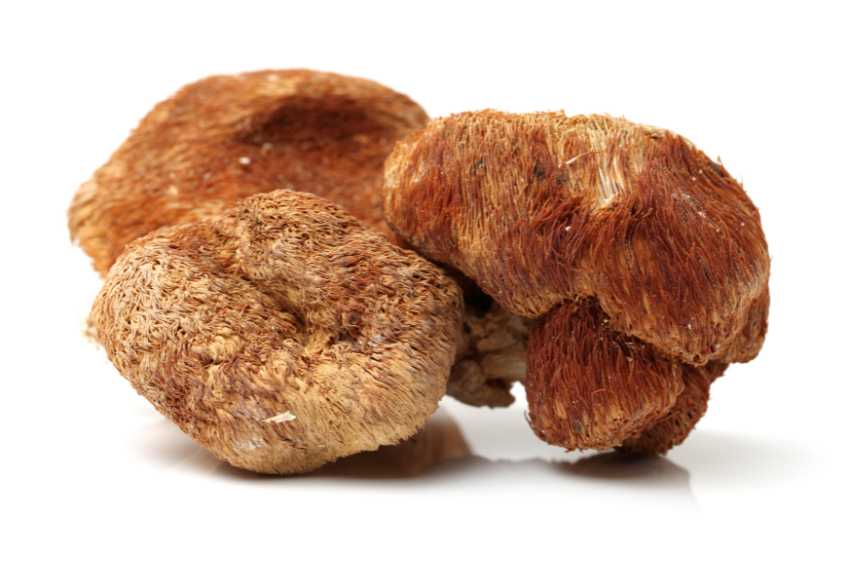 Hericium (lion's mane) – is a mushroom with an unusual shaggy appearance that gives it its familiar name, lion's mane. It is also sometimes called the "mountain priest mushroom" – Buddhist monks traditionally use lion's mane powder to support memory and concentration during meditation. From a scientific perspective, one particularly interesting area of research is its relationship with NGF (Nerve Growth Factor), which plays an important role in normal neuronal function and therefore in the transmission, processing and storage of information. Lion's mane is therefore particularly popular with students, people doing mentally demanding work, or simply whenever you need to concentrate more deeply, prepare for a difficult exam or tackle another task that requires plenty of mental effort.
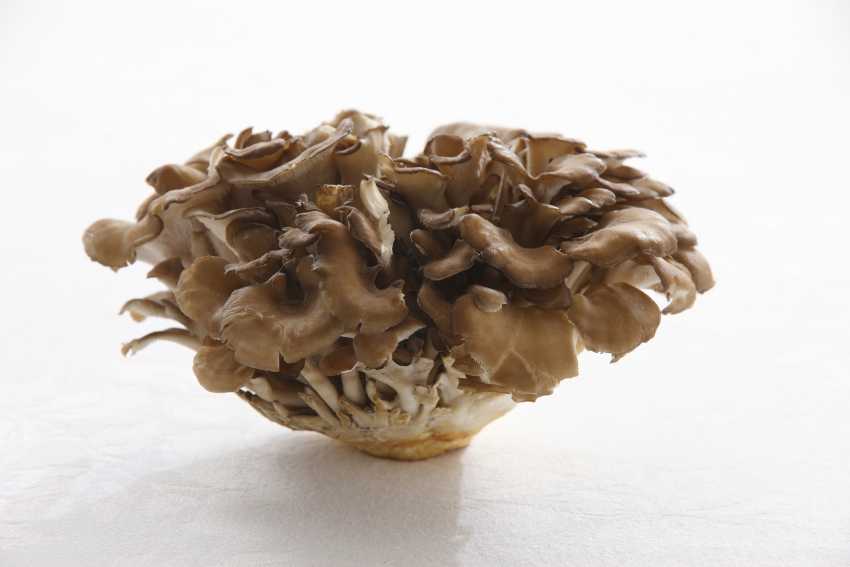 Maitake (Grifola frondosa) – is also known as the "dancing mushroom" (because people were said to dance with joy when they found it). It originates from Japan and China and now also grows in North America. In traditional Chinese medicine, this mushroom is valued for its relationship with immune function, vitality and longevity. Its main active compounds include beta-glucans, which, alongside their role in supporting the immune system, have also been studied for their effects on insulin levels. Another compound, the alpha-glucosidase inhibitor trehalose, slows glucose absorption in the body and helps support balanced blood sugar levels. Alongside its potential benefits, maitake is also popular for its delicious flavour.
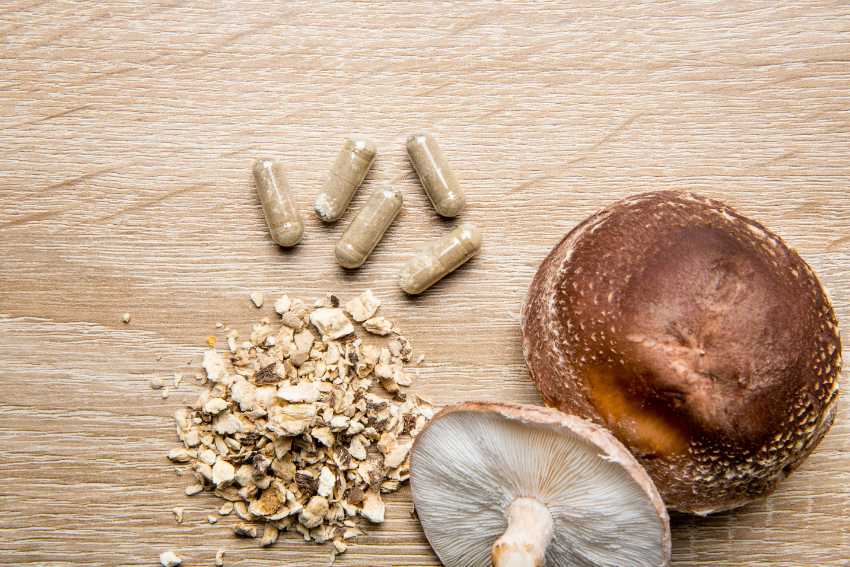 Shiitake (Lentinula edodes) – is sometimes known as the "fragrant mushroom" because of its wonderful aroma and even better flavour. It originates from East Asia and, at the risk of repeating ourselves, has been known in Eastern medicine for more than 2000 years. It grows naturally on decaying trees. It has traditionally been used to support longevity and, in traditional Chinese medicine, has been used in the treatment of cancer, immune dysfunction and cholesterol management. It contains B vitamins and amino acids. Like certain seaweeds, it can bind to heavy metals, so it is also popular with people following detoxification protocols.
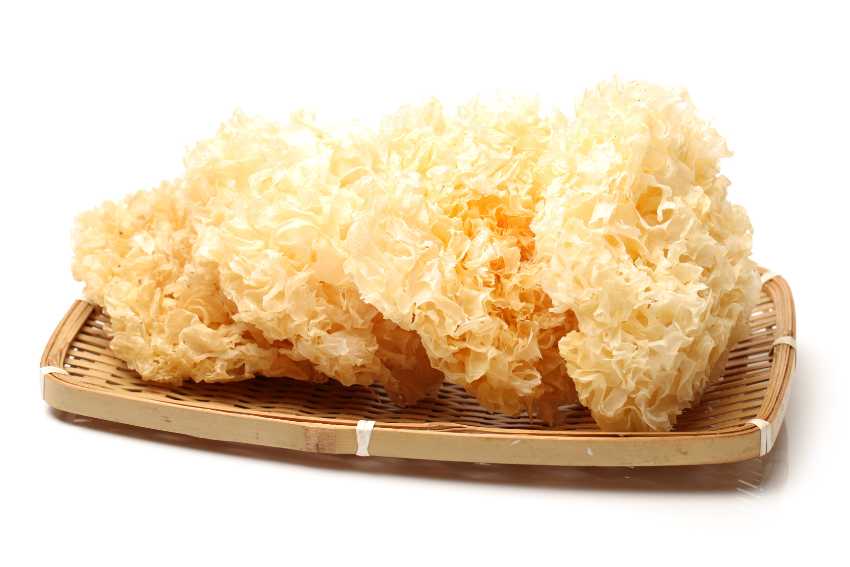 Tremella (Tremella fuciformis) – is also known as "silver ear", "jelly mushroom", "snow fungus" or "heavenly fall", as it was once believed to be matter that had fallen from the stars. This mushroom has likewise been known for centuries and was prized in the East as a superfood associated with preserving a youthful appearance. It is rich in antioxidants and has significant anti-inflammatory properties, which is why it is popular for supporting youthful, radiant-looking skin. It is also traditionally used to support immune function and healthy cholesterol levels.
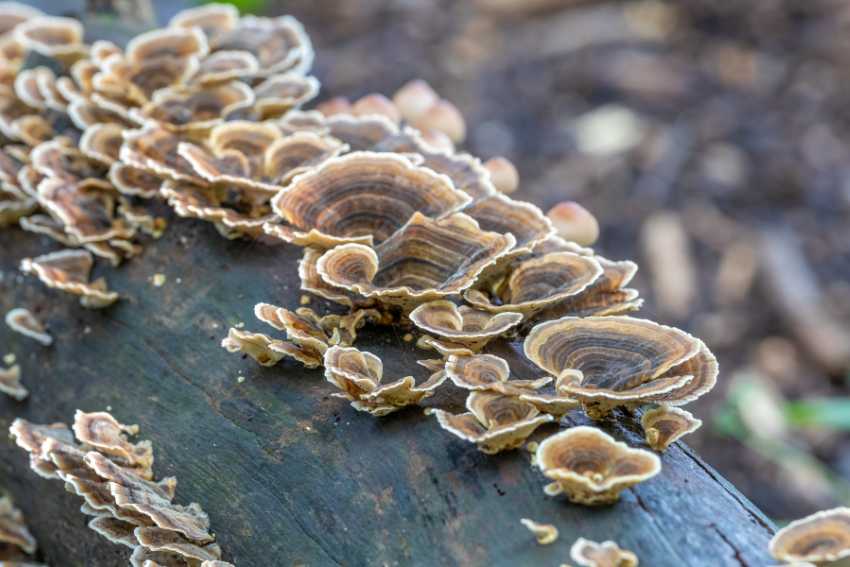 Coriolus (turkey tail) – is also known as Trametes versicolor or Coriolus versicolor. Its nickname, turkey tail, comes from the colourful rings that resemble the feathers of a turkey's tail. Once again, it is particularly well known in traditional Chinese medicine, but is gradually becoming more familiar in Europe too. It grows on dead tree trunks around the world. It has traditionally been used to support respiratory health, immune function and liver health. It may also benefit the digestive tract because it acts as a prebiotic, helping to support a balanced microbiome.
What to look for when choosing functional mushroom supplements
Functional mushrooms have become a major trend in nutrition in recent years, and with an ever-growing range of supplements available, it can be increasingly difficult to navigate the options and choose the right one.
When choosing food supplements – not just those made from functional mushrooms – these 4 points are worth considering:
1. Organic quality – organic certification is one of the first things worth looking for, particularly when choosing mushroom supplements. Mushrooms are highly porous and absorb substances from their environment – both the good and the bad. This means they can readily take up pesticides, fungicides, heavy metals and other contaminants associated with non-organic cultivation, which may then accumulate within them. Both Living Nutrition and Mushrooms4Life hold strict Soil Association Organic certification, which requires them to meet demanding standards.
2. Credibility – in other words, who is behind these supplements? Supplements from Mushrooms4Life are developed and formulated by internationally recognised mushroom expert Martin Powell. Living Nutrition, meanwhile, was founded by nutritional therapist Graham Botfield, who combines knowledge of modern medicine with his extensive understanding of naturopathy when formulating products. Living Nutrition bases many of its products on the fermentation of herbs and mushrooms. This ancient yet highly relevant technique can increase both nutritional value and the bioavailability of active compounds.
3. Transparency – where do the mushrooms come from? Many supplement manufacturers do not disclose the origin or source of the ingredients they use. It is extremely important to know where mushrooms come from, where they are grown and the standards under which they are cultivated. Mushrooms4Life works with reputable growers in regions where these mushrooms have traditionally been cultivated and used. The brand's mushrooms and mushroom extracts come from around the world, including North America, Asia and even Siberia.
4. Sustainability – unfortunately, many functional mushrooms are extremely rare and, because of their unique properties, also highly sought after. Unsustainable harvesting can damage or completely destroy both the mushrooms and their surrounding habitat. With supplements made from wild mushrooms, it is therefore important to consider whether they have been harvested responsibly and sustainably, with regeneration in mind. Some mushrooms provide similar benefits when cultivated, including cordyceps, which is one of the most expensive mushrooms in China and whose intensive wild harvesting could have irreversible consequences for its ecosystem. Chaga, on the other hand, needs to grow in its natural environment – on birch trees, from which it obtains many of its active compounds. In this case, working with experienced growers and harvesters is particularly important to ensure that neither the trees nor the mycelium itself are damaged during harvesting.
Functional mushrooms for beautiful-looking skin
Functional mushrooms can offer a range of direct and indirect benefits for our skin, hair and nails. By helping to manage stress, supporting digestion and contributing to hormonal balance, they may help address some of the outward signs associated with imbalances in these areas. You have probably noticed it yourself – when something is not quite right in the body, the skin is often one of the first places it shows. Functional mushrooms are also rich in antioxidants, beta-glucans, vitamins, minerals and other micronutrients that are important for healthy-looking skin. Functional mushrooms can even be applied directly to the skin. A teaspoon of powdered extract can add extra nutrients and properties to a homemade face mask. Chaga is particularly suitable for topical use because, alongside antioxidants, it is rich in zinc, a mineral essential for normal skin function. Another popular "skin mushroom" is shiitake. It contains kojic acid, which has excellent brightening properties, helps even out skin tone and can even help minimise the appearance of pigmentation and minor scars. It also contains L-ergothioneine, a powerful antioxidant that helps protect cells from damage and supports skin elasticity.
Joy Eckhart, the formulator behind the wonderful Lovinah brand, is another firm believer in the power of mushrooms. Her renowned Chocolate Truflle anti-ageing mask contains several active mushroom species – chaga, black and white (particularly rare) truffles, oyster mushroom and tremella. Truffles in particular are literally packed with powerful enzymes, antioxidants, proteins, fibre and minerals, including calcium, iron, magnesium, phosphorus, potassium, zinc, copper, sodium, manganese and selenium. They also contain omega 3 and omega 6 fatty acids, vitamins A, B, C, E and K, folic acid and pantothenic acid. Vitamin B1, or thiamine, which is found in truffles, helps support blood circulation in the skin. This not only improves the delivery of nutrients but also helps give the complexion a radiant, youthful appearance. Black truffle can also inhibit melanin production, helping to reduce the appearance of dark circles under the eyes and pigmentation while promoting a more even-looking skin tone.
Want to learn more? Read our related articles:
Support your immunity with wild herbs and mushrooms
Rediscovering health: what is organ nutrition?
On the road to longevity I – spermidine
Article updated on 28.1.2024.